 Italiano
  English
  Français
  Español
  Deutsch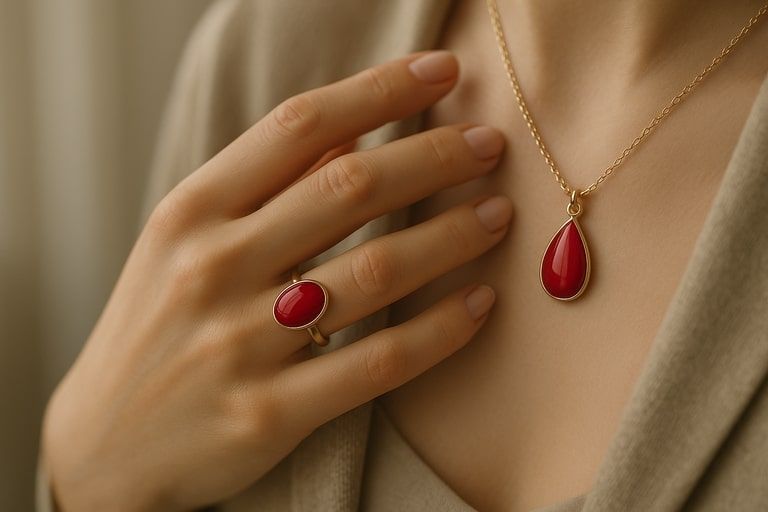
Do you know that brilliant, smooth, and often colourful final touch that makes an entire piece of jewellery or its detail stand out?
The technique to achieve that finish is called glazing and can be applied in two ways: hot or cold.
Among the two, the simplest and quickest application is certainly cold glazing. In this guide, we will tell you everything you need to know about this product and this fascinating technique, and we will guide you step by step in creating a simple yet effective project.
What is cold glaze?
Cold glaze is a two-component resin made up of a coloured base and its catalyst, which, once mixed and applied, self-levels to create a glossy, vitrified, and durable effect.
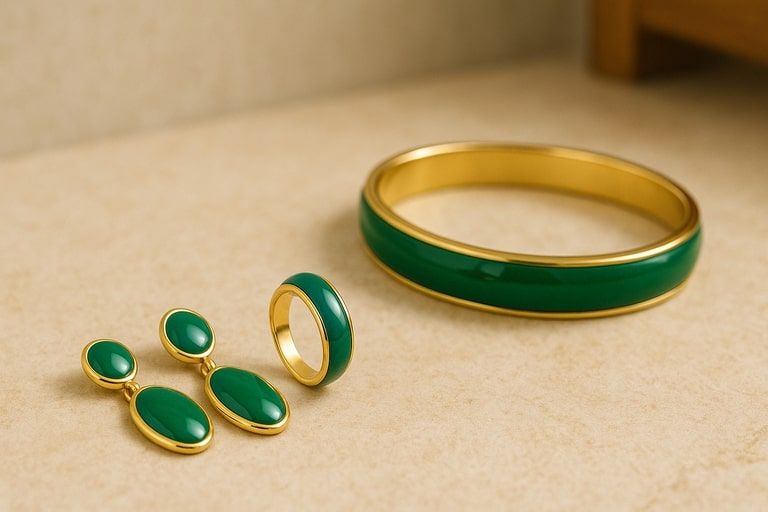
It is a perfect technique for those who love to personalise metals, but, being essentially a resin, its application has no limits and can also be used on ceramics, wood, glass, or plastics without the need for ovens or special equipment.
Once dry, the surface will be scratch-resistant and UV-resistant, just like a fired glaze… but without firing!
What you need
- Colours: choose from opaque, transparent, pearlescent, or metallic
- a small cup
- wooden sticks
- precision scale
- Squeeze bottle
- toothpicks
- support to decorate
The procedure
Step 1. Prepare the mixture
The mixing ratio of these cold glazes varies depending on the catalyst included in the package; just check the label (it could be 100/50 or 100/40). This information is very important to achieve perfect catalysis, and this is where the precision scale comes in handy.
Let’s get started!
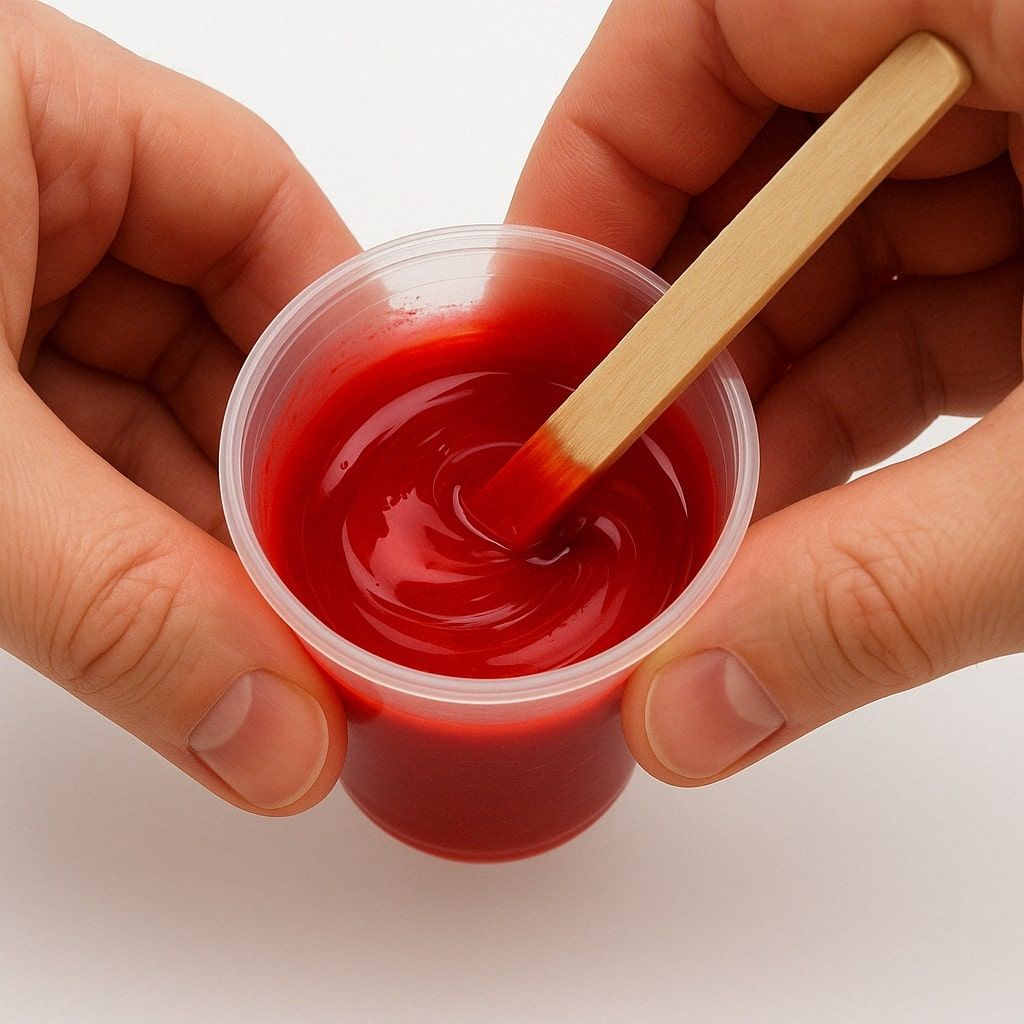
Pour 10 g of resin + 4 g of catalyst into a small cup and mix the two parts using a wooden stick. It is essential to perform this step very slowly to avoid incorporating air into the mixture.
After mixing, wait 3-4 minutes for the air bubbles to rise to the surface.
Cold glaze can be applied with a syringe, brush, spatula, or by pouring it into a mould. For our project, we will use the Squeeze bottle.
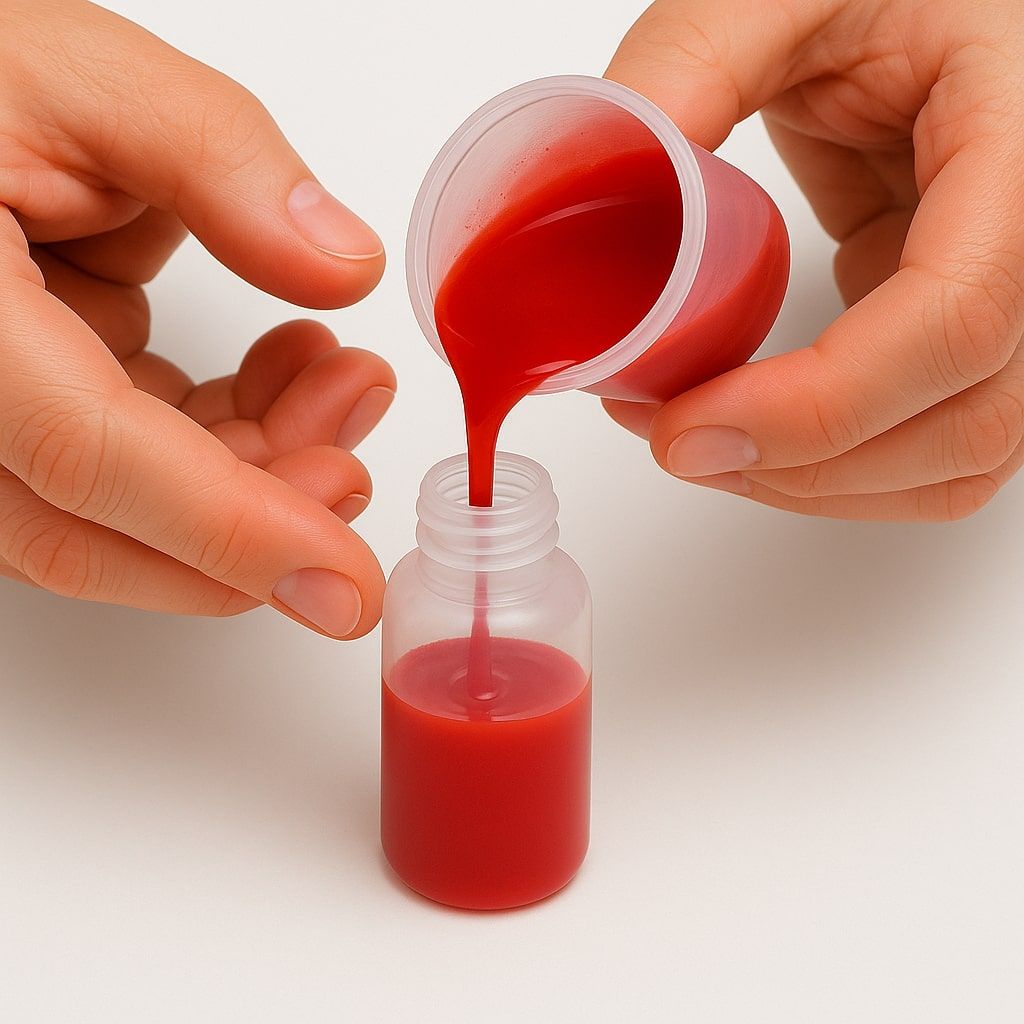
Pour the previously mixed compound into it, close it, and apply the nozzle in the size you deem most suitable for decorating the jewellery.
Step 2. Decorate your base
Now apply the colour, paying attention to the amount.
Even at this stage, it is important to work slowly to avoid over-application.
If you accidentally apply too much, don’t worry, remove the product, clean with a cloth, and start again.
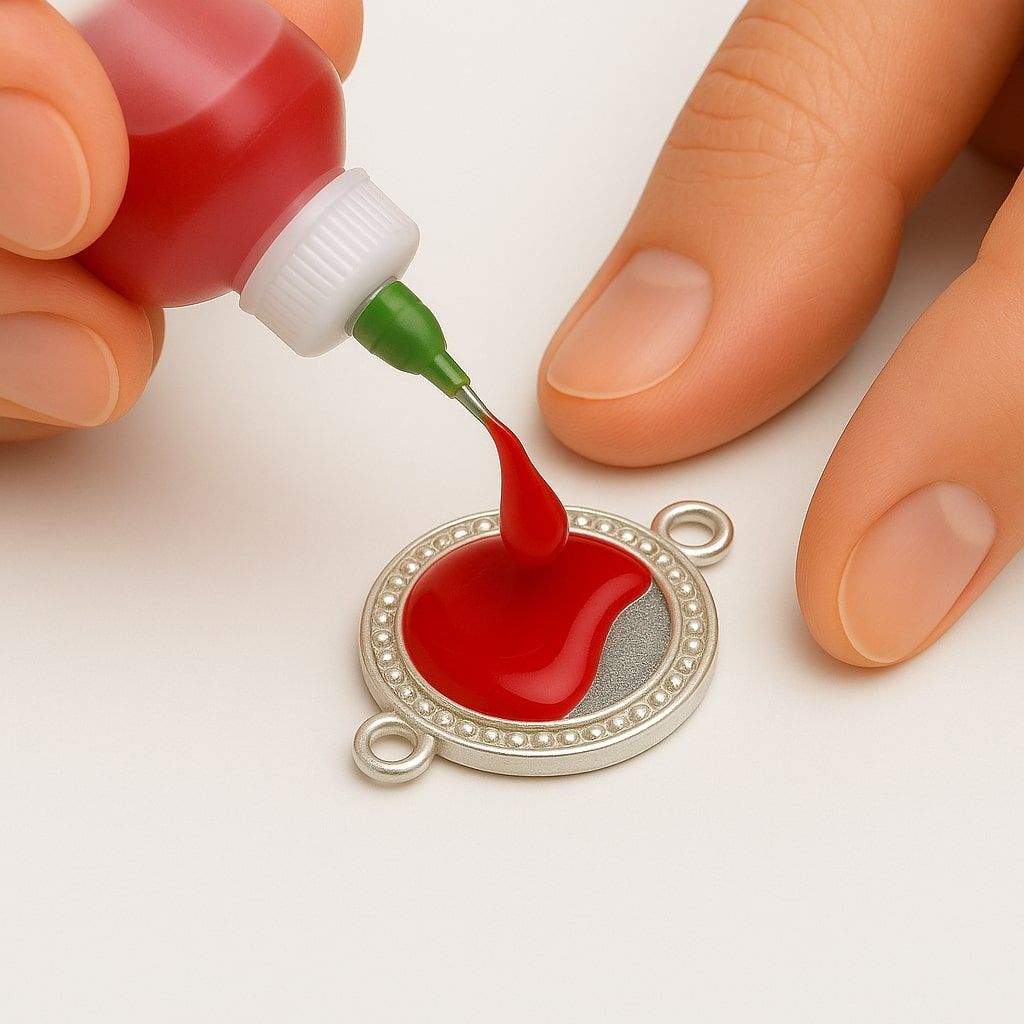
Step 3. Let it dry
In the first 18 hours, it is advisable to protect the colour from dust; simply cover the jewellery with a clean cup.
Leave your project in a dust-free place for 24 hours.
Avoid touching or moving it until the surface is completely dry and hard.
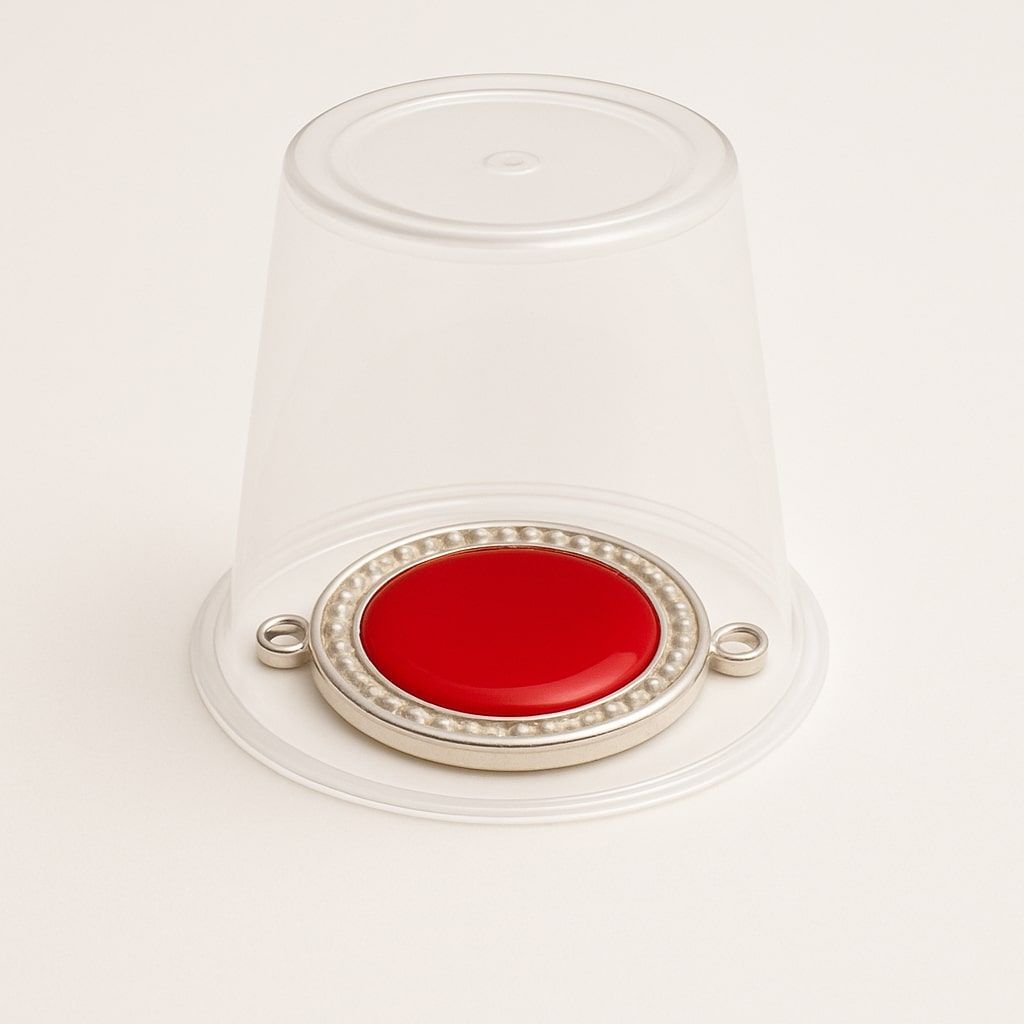
If necessary, you can also smooth/polish the glaze when it is fully catalysed.
Voilà! Your pendant is ready to be worn!
The biggest difficulty you may encounter is the formation of bubbles. Remember that it is essential to avoid mixing quickly at the beginning.
If you have many clustered bubbles, like foam, it may be that the resin was too cold during mixing, not at room temperature; in this case, the solution is to warm the resin to room temperature and remix the compound.
If you have a rough surface instead, the temperature may be too high.
If bubbles are on your piece after you have already applied the glaze, you have two options. You can use a needle to bring them to the surface and pop them or use a flame with the same technique used with resin.
Useful tips
- Prepare only the amount of resin you will use: once mixed, start catalysing immediately.
- Work in a ventilated area and protect the surface well.
- If you want to create multiple layers, wait for the first one to be completely dry before pouring the second.
- It is not advisable to work in an environment with a temperature below 18°C, as the curing time would be significantly extended, and in some cases, the mixture may not cure.
- Store the product at temperatures no lower than 12°C.
- In winter, if it appears thick, you can warm it for a few minutes.
- Before each use, mix the base colour well because the pigments tend to settle.
- Clean tools with ammonia or isopropyl alcohol within 1 hour of use.
- Colours can be mixed together before adding the hardener.
- If you need to apply colour to curved, convex, or concave surfaces, or if you need to decorate vertically, you must replace the standard catalyst with the specific one: CURVED SURFACE CATALYST.
With a bit of practice, cold glaze becomes an indispensable ally for bright and professional decorations.
And you, do you already have something in mind to personalise?