 Italiano
  English
  Français
  Español
  Deutsch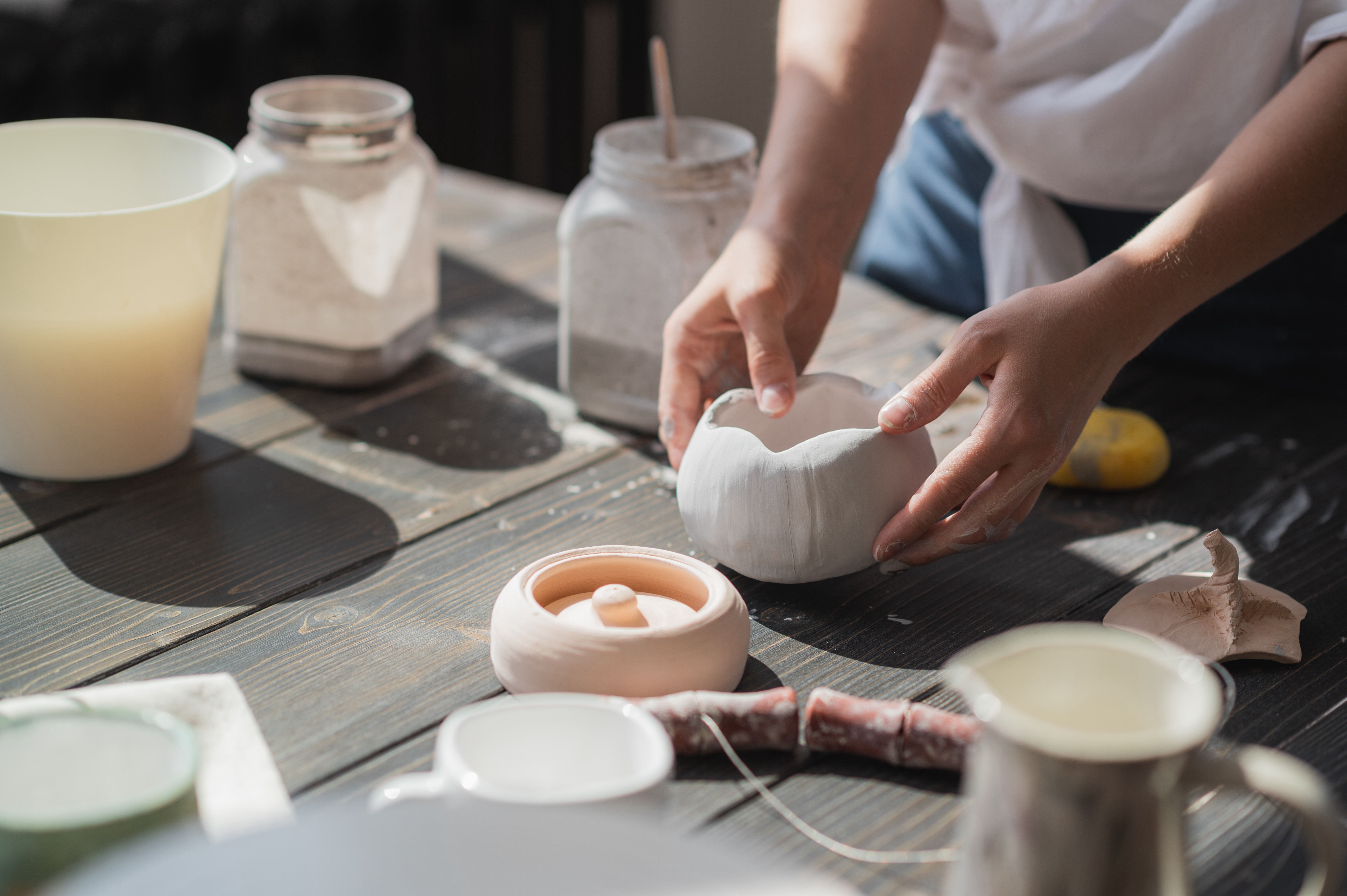
Would you like to create container candles, but find that classic glass or ceramic containers are now out of fashion and lack personality? Discover how to make unique containers for your candles using casting materials in silicone moulds or hand-mouldable materials. These materials will add a touch of originality and creativity to your creations.
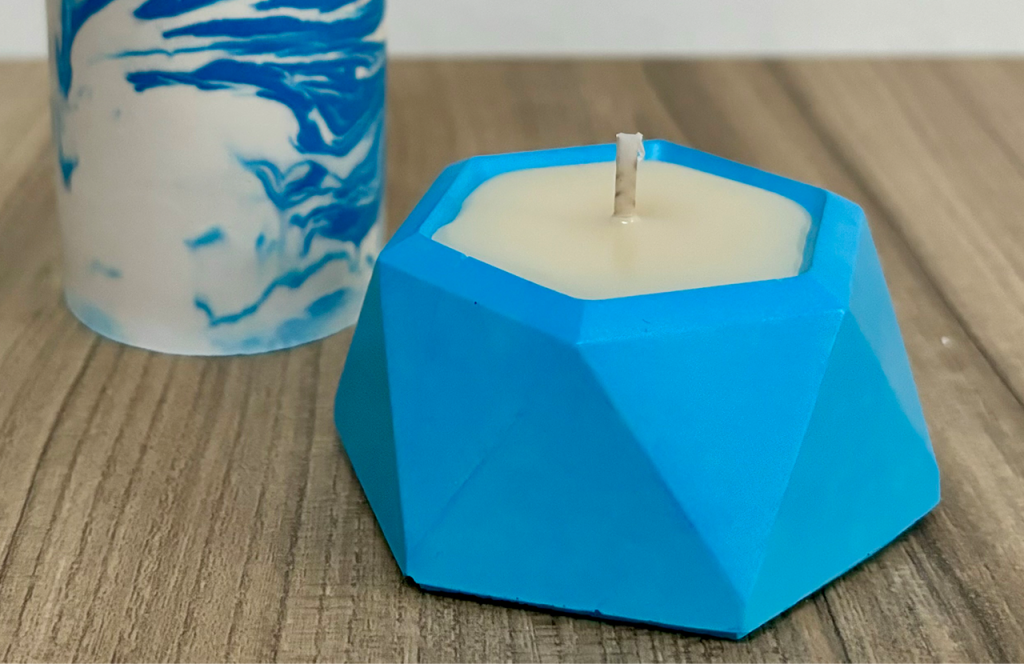
The choice between the various types of materials to use for creating your candle containers will depend solely on the final result you wish to achieve. Let's clarify the differences between casting materials in silicone moulds and hand-mouldable materials, and understand how to use them.
Casting materials in silicone moulds
Casting products in silicone moulds are perfect even for those with little manual skill. The only truly essential tool is an accurate scale to properly mix the components. Casting products, in fact, need to be mixed with a liquid, in different ratios based on the weight of the powder.
One of the simplest materials to prepare is plaster or ceramic powder.
Here are some of these materials:
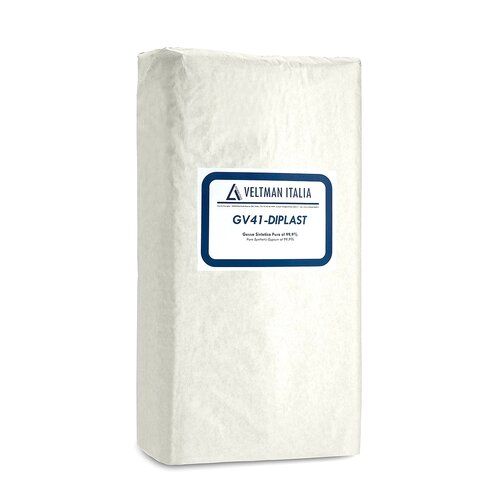
Diplast synthetic plaster
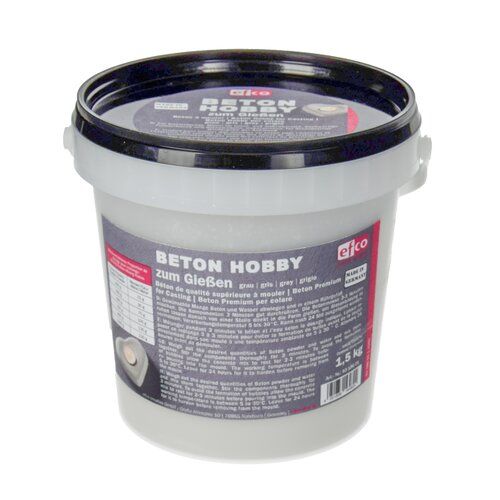
Beton Hobby for Casting
Kerolin Plus
These materials require only the addition of water in the quantity indicated on the packaging. After obtaining a liquid mixture, simply pour it into the moulds. The ceramic powder cannot be coloured during this phase, but only afterwards, with acrylic paints applied to the outer surface of the container.
Once your container is ready, you can proceed to pour the wax to create your candle. However, remember that plaster is a highly absorbent material: the wax may be partially absorbed by the container, creating halos on the outer surface of the jar.
To avoid this inconvenience, we recommend using a sealer that can create a barrier between the wax and the plaster. You can use Marabu water-based paints, available in three different finishes: satin, matte, and glossy.
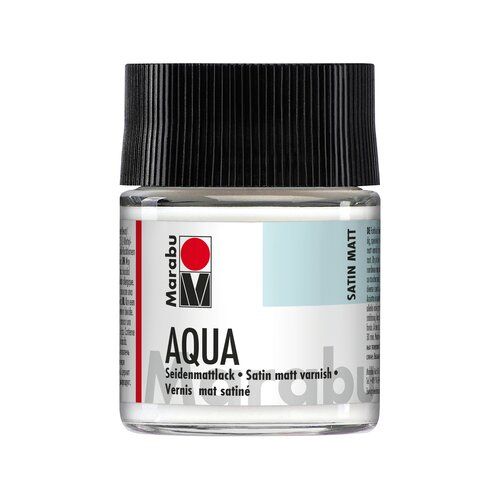
Satin
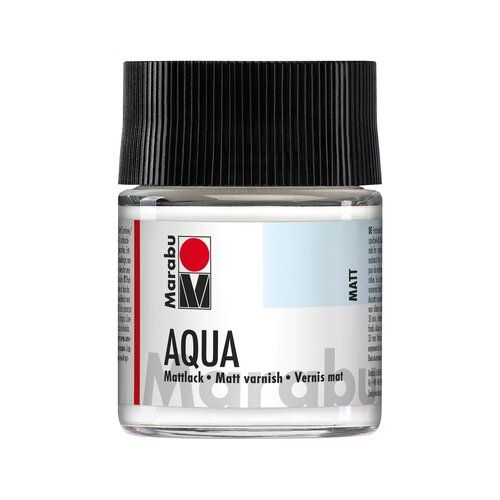
Matte
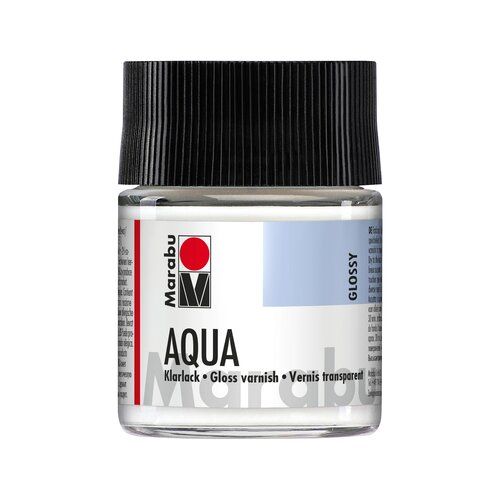
Glossy
Another exceptional material for casting is Jesmonite, which we have already discussed in this article.
This material not only gives a professional look to your creations but is renowned for its impact resistance and durability over time. Additionally, Jesmonite can be coloured with specific pigments before casting, allowing for a wide range of effects, from solid colour to marbled or terrazzo effects. An additional advantage of Jesmonite is that it does not require additional protective coatings, as it is heat resistant and does not absorb wax.
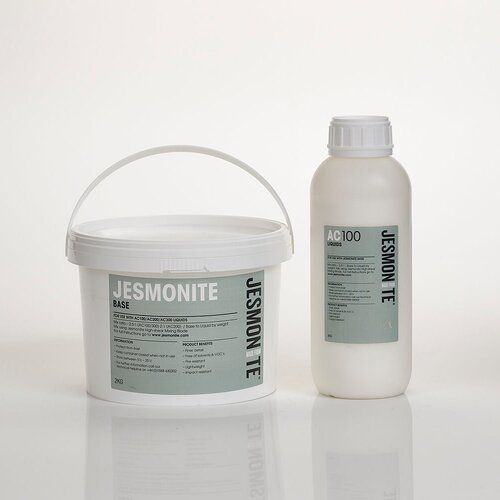
Jesmonite AC 100
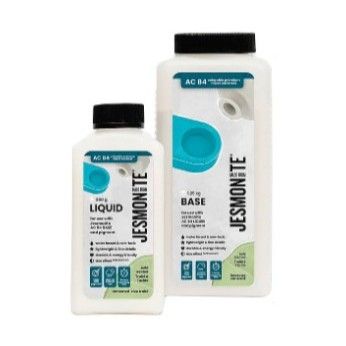
Jesmonite AC 84
To see how to create a container with Jesmonite, watch our video tutorial below, which will guide you step by step through the process.
Hand-mouldable materials
If you prefer a more manual and creative approach, you can opt for hand-mouldable materials. The Sio self-hardening clay or Beton Hobby mouldable are two excellent choices. This type of material requires a bit more practice but offers the possibility to create unique and customised shapes.
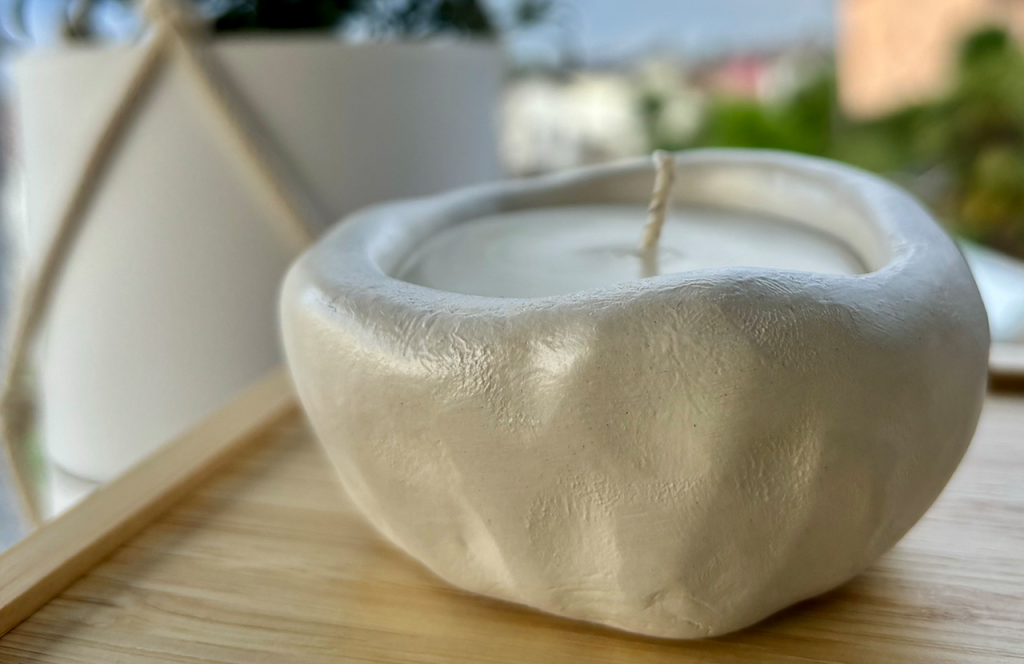
After shaping the desired form, simply let it dry completely. Once dry, you can decide whether to keep the natural colour or decorate the outer surface with acrylic paints. Always remember to protect the inner surface with Marabu sealants to prevent the wax from being absorbed.
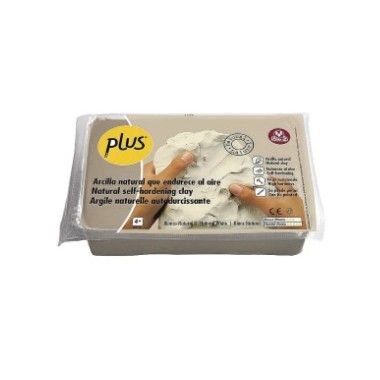
Sio-2 Plus Natural White Clay
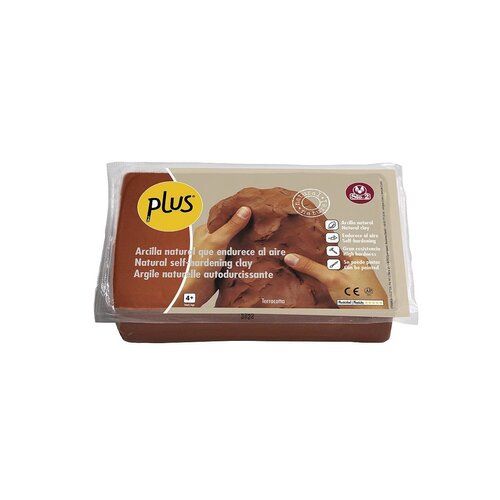
Sio-2 Plus Terracotta Clay
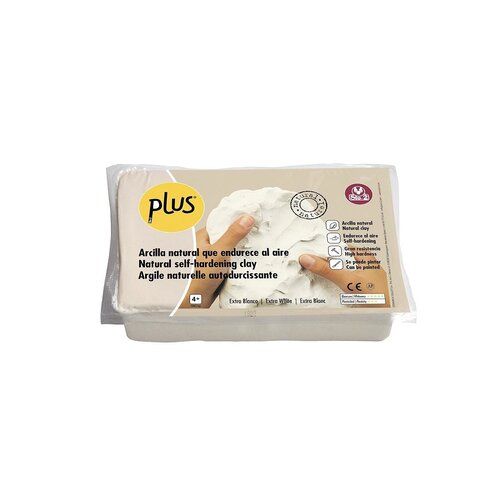
Sio-2 Plus Extra White Clay
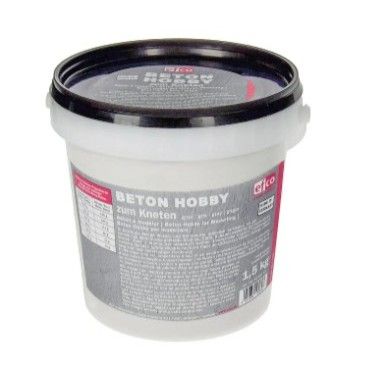
Beton Hobby Mouldable
For inspiration and to see how easy it is to use these materials, watch our video tutorial on creating mouldable containers.
The videos you have seen have been sped up to display the process more quickly, but remember to use very slow movements for mixing and pouring.
Whichever method you choose, the result will be a unique handcrafted container that will make your candles even more special. All you have to do is choose your preferred material and start creating!