 Italiano
  English
  Français
  Español
  Deutsch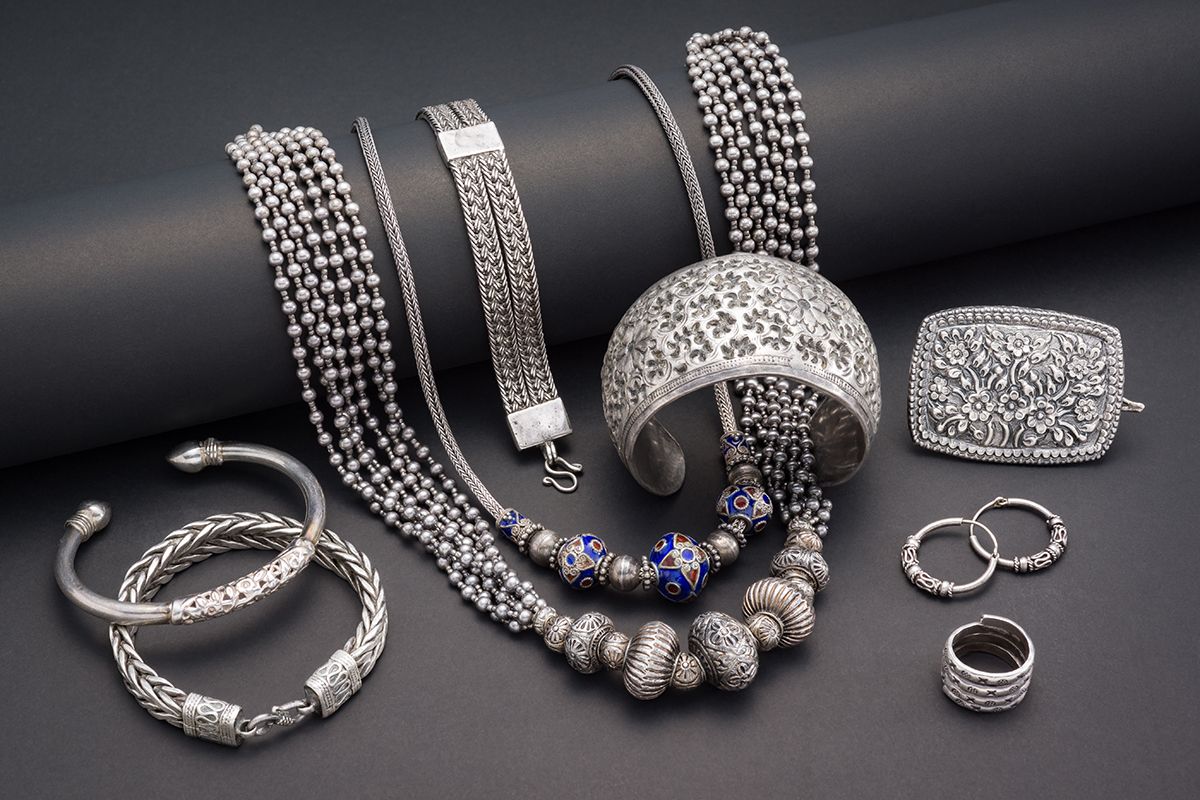
Welcome to the second appointment dedicated to tumbling, with a deep dive entirely focused on metals.
While in the first article we provided a general overview of tumbling – from tools to principles, to uses – we now focus on one of the most frequent applications of this practice, for which we often receive requests for information and advice: polishing jewellery and metal objects.
Let’s start by answering some basic questions.
Why do we need to polish metal? For example, to remove residues or traces of processing, or to finish and smooth an irregular surface. Or, more simply, we want to restore shine to jewellery and antique objects that have oxidised or tarnished.
What metals can be polished with a tumbler? Mainly precious metals used in jewellery, such as gold and silver, but also copper, bronze, and brass. For reasons we will see later, these are also the only metals for which a magnetic tumbler can be used. If you use a rotary tumbler, however, there are no limitations on the type of material you can treat.
The type of machine we use, therefore, is one of the first factors that will influence the work: depending on the tumbler, we will have different procedures, accessories, and timings. So let’s start from the beginning!
Equipment: what type of tumbler is used for metals?
If your goal is to smooth and polish jewellery and metal objects, you can achieve excellent results with both a rotary tumbler and a magnetic tumbler. Let’s take a closer look at the characteristics of each.
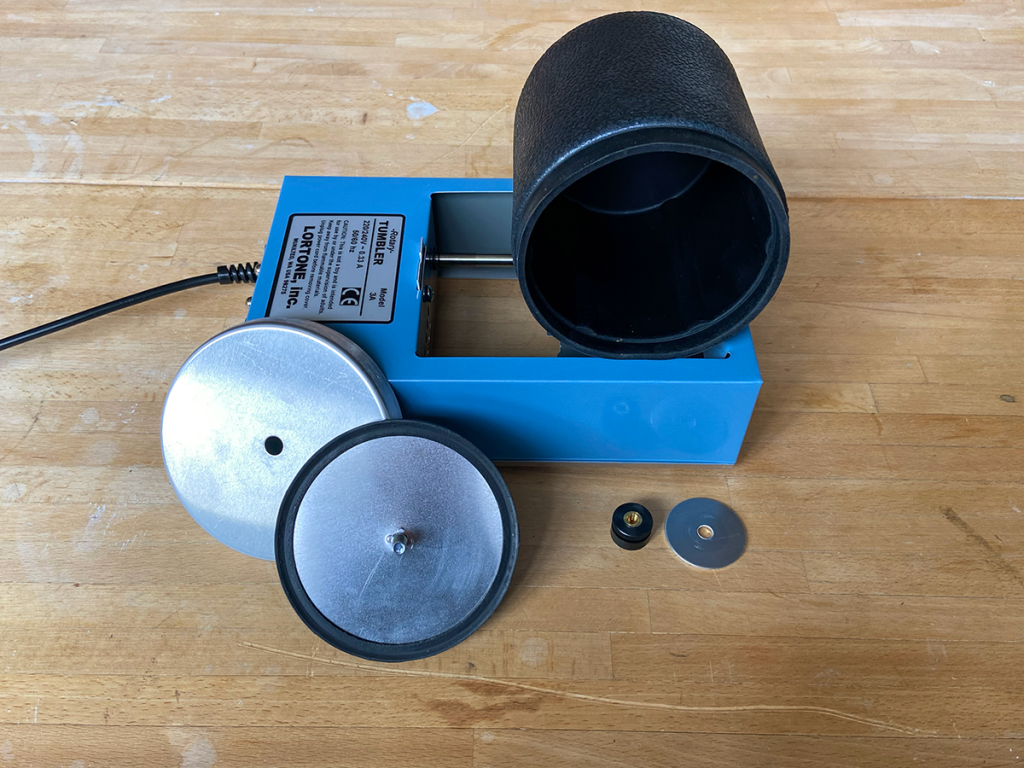
The rotary tumbler: is one of the most common and widely used types. As we saw in the first part of this guide, the distinctive quality of the rotary tumbler is that it reproduces – through the movement of water combined with the action of abrasives – the erosive and polishing effect of sea waves, which removes impurities, rounds off corners, and cleans surfaces of dirt and oxidation.
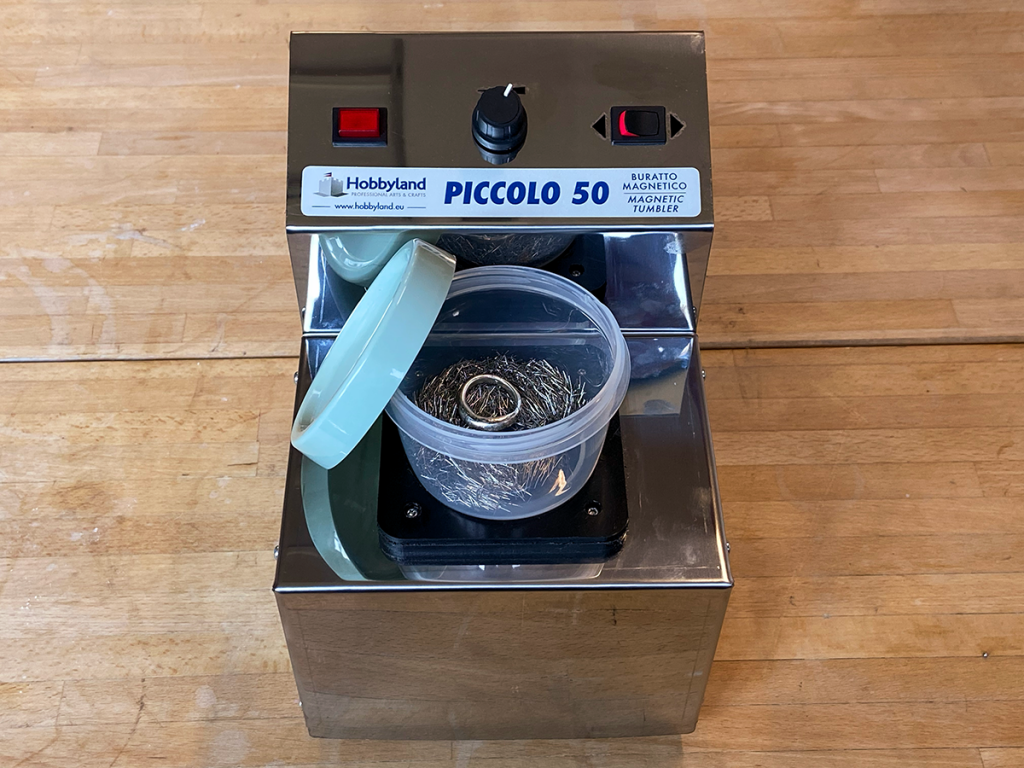
The magnetic tumbler, on the other hand, uses magnetic force to activate rotation inside the cylinder. In this case, it is not the cylinder that rotates, but its contents: the cylinder rests on a magnetised disc that is activated by a motor and, thanks to the magnetic force, also rotates the iron pins inserted inside the cylinder. Quieter and faster, the magnetic tumbler is often preferred for treating metals due to its polishing quality, especially on irregular surfaces, pierced objects, and intricate patterns.
However, be careful: if your object has very deep irregularities or pronounced surface defects, the magnetic tumbler may not be powerful enough, and you may need to pre-treat the metal with sandblasting or other roughing methods. Another important thing to keep in mind with the magnetic tumbler is that, due to the nature of its operation, it can only treat metals that do not have magnetic properties.
Inside the cylinder: materials and vehicles for tumbling
Let’s continue our exploration and discover which materials are used in the tumbling of metals and jewellery.
If you are using a rotary tumbler, in general, you can choose from different types of abrasive vehicles: metal, ceramic, or wood in small pieces. In the specific case of tumbling metals, you will need steel shot. If possible, we recommend using shot of different shapes and sizes mixed together: the result will be better, especially if the object has crevices, protrusions, and hard-to-reach points.
How much shot should you use? Naturally, it depends on the size of your tumbler and the number and type of objects you need to polish, but in general, keep in mind that it should be filled at least one quarter or half full. In the case of the 3A tumbler used for this article, we recommend using 2 packs of 450 grams.
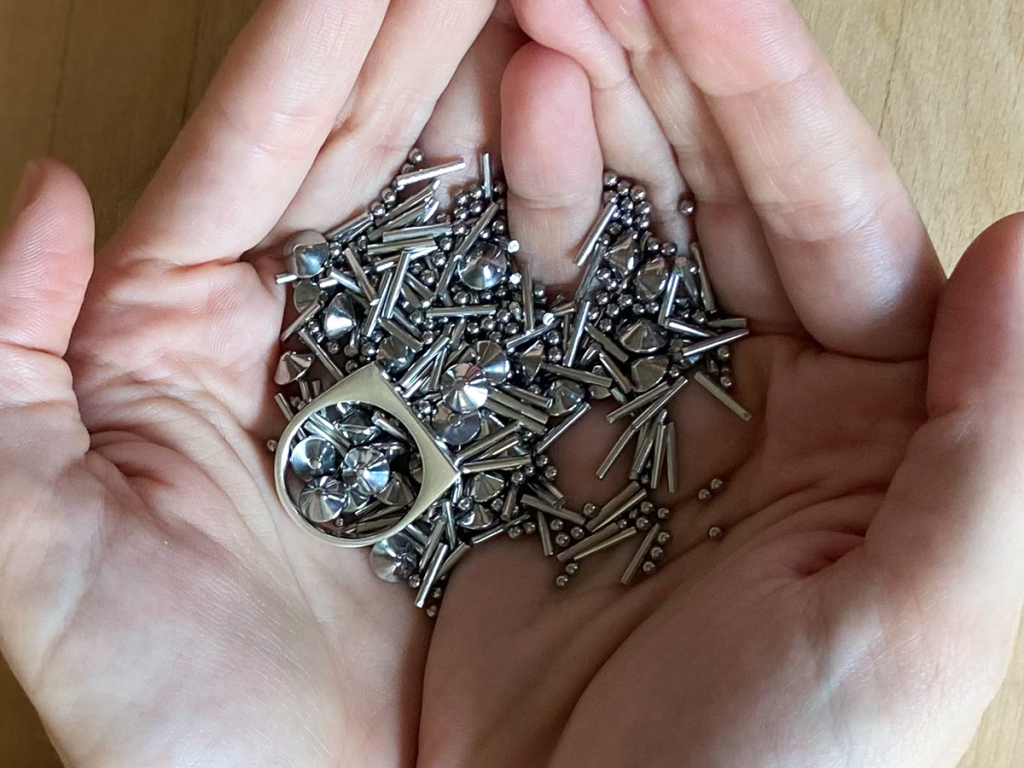
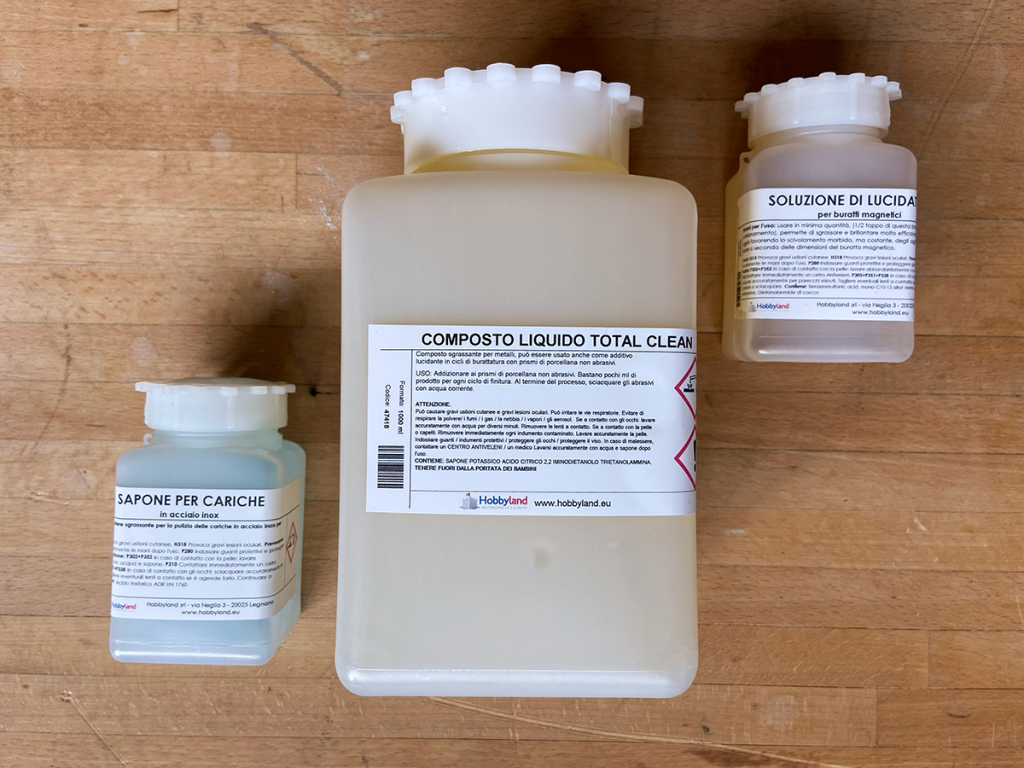
Along with the vehicle and water, you will also need to add a small amount of polishing solution, which makes the movement smoother by reducing friction inside the cylinder. There are specific solutions for each type of processing, so we recommend choosing the one that is most suitable for you. If necessary, you can also use flaked soap or dish detergent. But in this case, use only a few drops to avoid excessive foam!
If you are using a magnetic tumbler, there is only one type of abrasive vehicle: tiny metal pins that are activated by the magnet. Again, the amount of pins to use will depend on the machine and the work: we recommend following the manufacturer's instructions, including regarding the amount of water. The recommended polishing solution is the one specific for magnetic tumblers. The result will certainly be better!
The work phases
Now let’s see step by step how to perform tumbling on jewellery and metals.
Tumbling metals and jewellery with the rotary tumbler
Open the cylinder, insert the necessary amount of shot, and add water, enough to cover the shot with a depth of about two centimetres. We remind you that, for optimal results, the water should be distilled. Add the polishing solution and then insert the objects to be treated.
At this point, securely close the cylinder and activate the rotation. For how long? The cycles can last from a couple of hours up to about 6-8 hours. It is not uncommon to leave a rotary tumbler running overnight, for example (as long as you can keep it in a place where the noise is not a nuisance). Again, rely on the specific instructions for your tumbler.
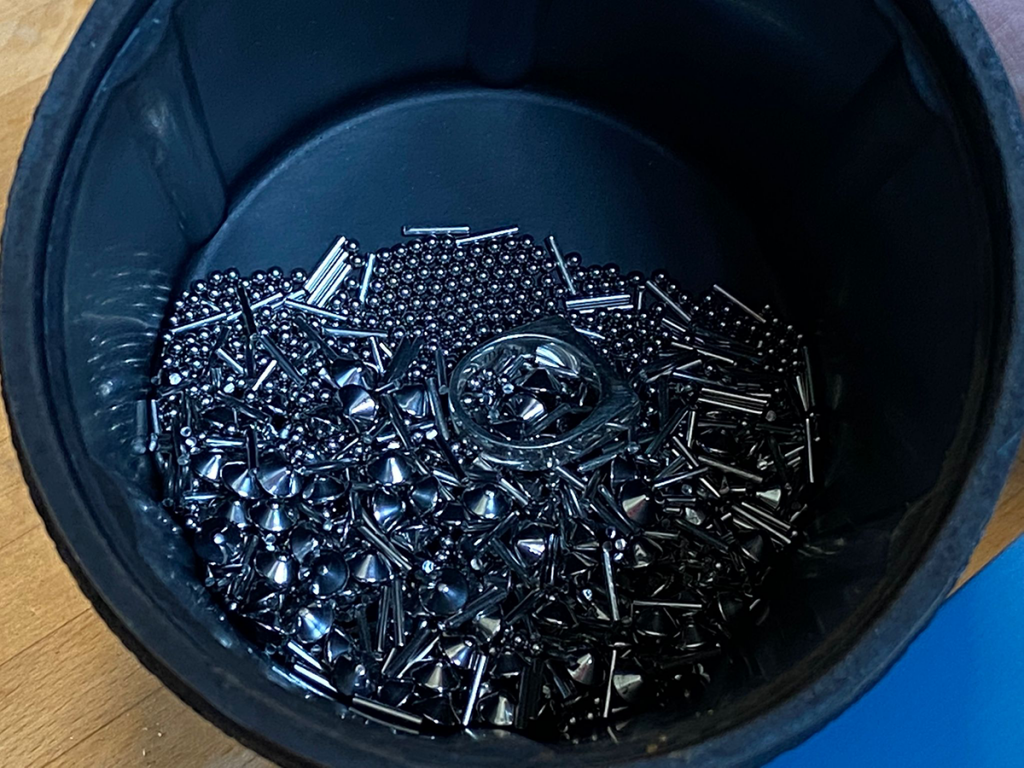
Remember that rotation involves a certain level of vibrations, so make sure the tumbler is placed on a stable surface and that there are no objects around that might fall.
At the end of the cycle, open the cylinder and check the result: if the metal is sufficiently shiny, you just need to rinse it with running water and dry it. If not, you can start a new cycle. Once the work is finished, you will need to drain the steel shot, rinse it to remove soap residues, and then dry it carefully to avoid rust.
Some mistakes to avoid!
- Do not insert too many objects all at once into the cylinder: each must have a bit of space and movement during rotation. And if you need to work on necklaces or chains, insert only one at a time; otherwise, they will tangle!
- If the jewellery has an "antiqued" treatment, you must remove it before starting: the chemical agents used for the treatment can affect the tumbling process.
- The cylinder must always be perfectly clean, especially if you also use it for working with stones or other materials. Residues from previous processes could leave scratches on the objects!
Tumbling metals and jewellery with a magnetic tumbler
The procedure is very similar, with a few small differences. Here too, you will need to fill the container with the necessary amount of metal pins, cover with water, and add the polishing solution for magnetic tumblers. It is important to always keep an eye on the water level, because if there is too much, it could splash out due to centrifugal force.
Given the speed of the magnetic tumbler, you will only need to set cycles of 30 minutes, at the end of which you can check the result and, if necessary, continue. In that case, of course, you will need to discard the water you used, replace it with fresh water, and add the necessary amount of polishing solution again.
Precautions and tips
- Always run a washing cycle for the pins before starting, especially if they are new or if you haven’t used them for a while. A 30-minute cycle is sufficient to remove chemicals, treatments, or oxidation residues.
- Do not air dry the pins: the risk of oxidation and rust is very high, especially if they still carry traces of soap and residues from processing. We recommend storing them inside the cylinder, immersed in a solution of water and polishing solution (always in a few drops).
- Keep the container with the pins separate, rather than placing it back on the machine: the magnetic disc could, over time, demagnetise the pins and render them unusable.
Here we are at the end of this guide: now you know what tools are available for polishing jewellery and metal objects, which type of tumbler to prefer based on your needs, and what the essential phases of the process are. All that’s left is for you to get to work!