 Italiano
  English
  Français
  Español
  Deutsch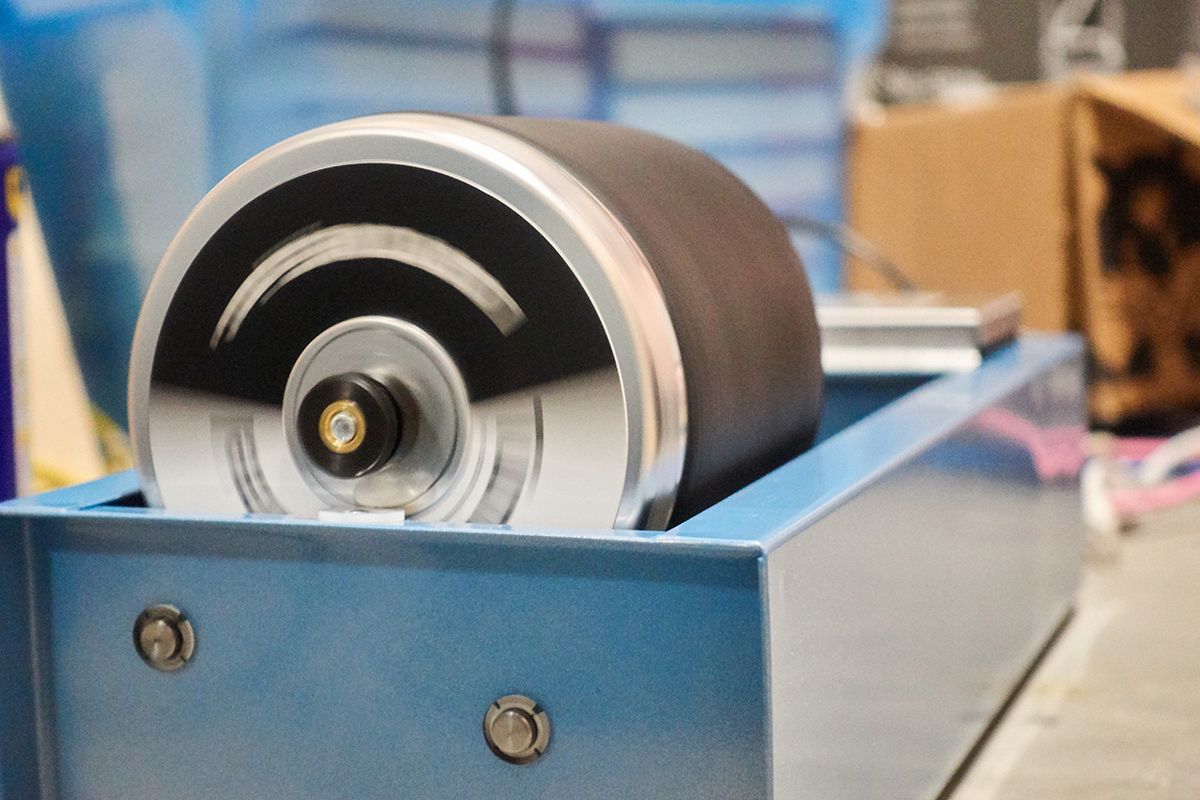
With this article, we begin a journey into the world of tumbling: a two-step path that will lead us to discover the details of this practice that attracts, intrigues, but often risks confusing as well. Why? Because tumbling is a complex chapter of decoration, requiring specific tools and materials, but also some technical knowledge about how it works.
You often contact us for advice and suggestions on which machines to choose, the abrasives to use, processing times, and so on. That’s why we thought to gather in one guide all the essential information about tumbling, which we hope will be useful both for those who have yet to discover this mode of decoration and for all artists who want to deepen and perfect their practice.
In this first chapter, we will discover what tumbling is, how it works, what it is used for, and what essential tools and raw materials you need.
The tumbling process
As always, we start from the beginning. So let’s begin with the name, tumbling, which as you might imagine comes from tumbler, which is the machine used to carry out the process. In ancient times, the term tumbler referred to the machinery used to separate flour from bran: a cylindrical sieve, inserted inside a larger container, which was rotated and shaken to filter the flour.
The tumblers used today for decoration do not include the sieve, but are still based on the effects of rotation, vibration, and friction between an object and abrasive materials, which we will discuss later, that “purify” its surface.
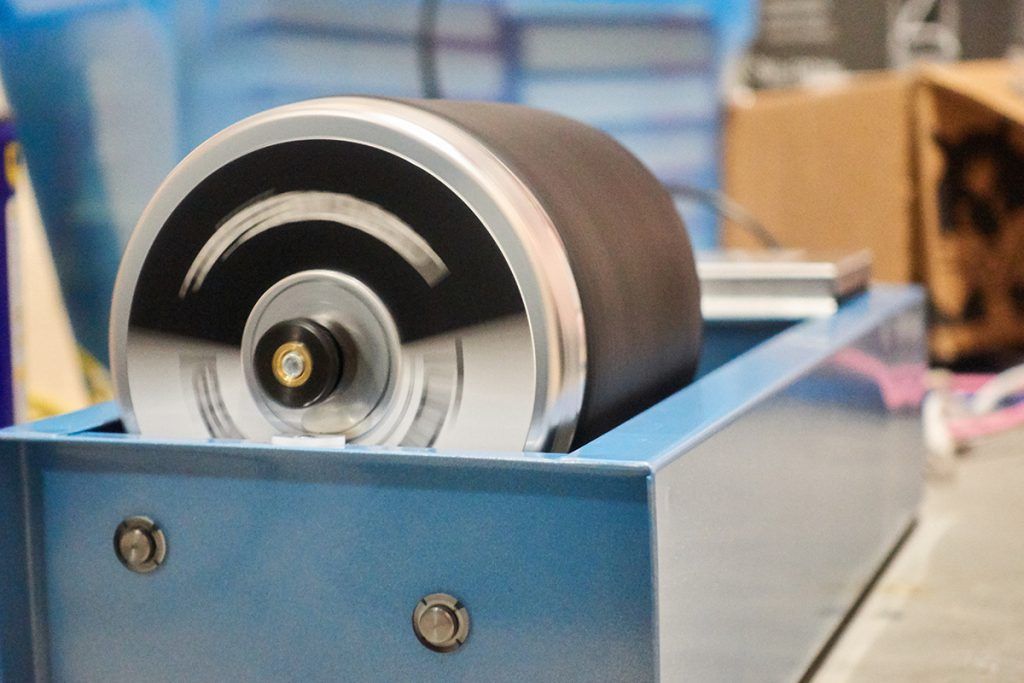
In its most general definition, therefore, tumbling is a process aimed at refining, eliminating defects, and polishing rigid surfaces through friction and can be applied to many different materials: from wood to metal, from stone to plastics, and more.
Friction occurs inside a cylindrical container that is rotated or vibrated at high speed. Inside the cylinder, along with the objects to be worked on, various types of abrasive materials and, in some cases, water are inserted. Depending on the material to be treated, the tumbling cycles, the abrasive materials to be used, and also the times and methods of using the tumbler will vary, but the operating principle remains the same.
The different types of tumblers and how to choose the right one
We can identify three types of tumbling machines:
- The rotary tumbler, which works through the rotation of the cylinder and requires the use of abrasives such as small pieces of wood or ceramic, or abrasive pastes or powders.
- The vibrating tumbler, which instead requires the addition of water along with the abrasive materials. The mechanical movement, in this case, is vibration.
- The magnetic tumbler, which still operates by rotation, but with a different principle: a magnet, in this case, activates the rotation of small metal pins that are inserted into the tumbling tank. The magnetic tumbler does not require additional abrasive materials.
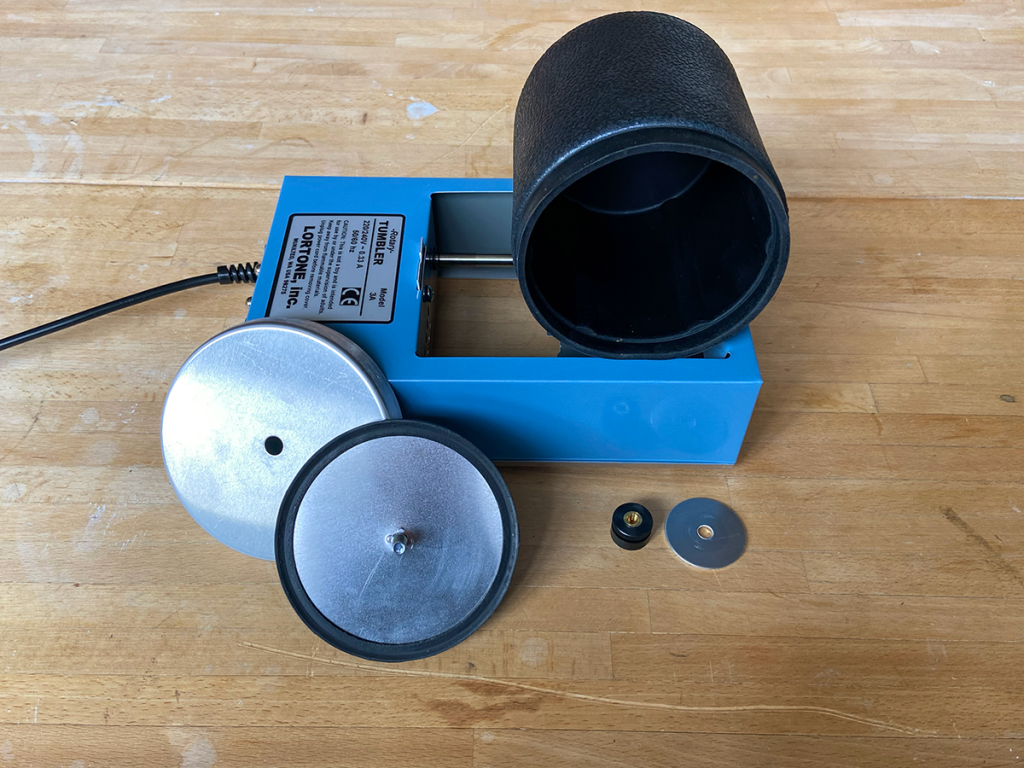
ROTARY TUMBLER
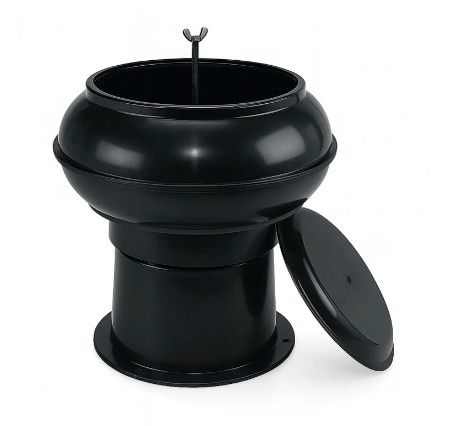
VIBRATING TUMBLER
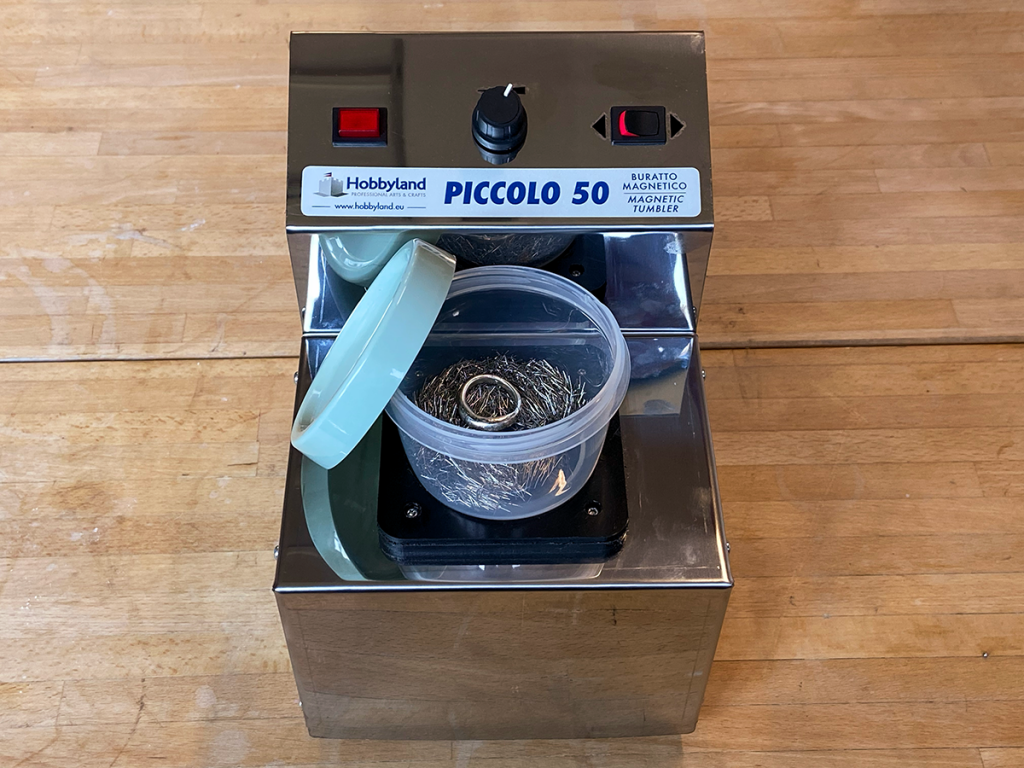
MAGNETIC TUMBLER
What are the pros and cons of these machines and how to choose the right one for you?
The rotary tumbler is a machine with relatively low costs and is easy to use. It does not require supervision during operation and does not create much noise. Its disadvantages? It takes a long time for a cycle, requires a larger quantity of wood pieces and abrasives. This type of tumbler is suitable for all materials, but you must keep in mind that it has a more incisive action on the raw material and tends to round off and smooth shapes.
The vibrating tumbler is certainly faster and uses fewer abrasive materials. It also works better on more delicate raw materials because it tends to maintain the original shape of the object. It is also particularly suitable for polishing metals. However, it requires more experience, supervision during operations, and is also more expensive.
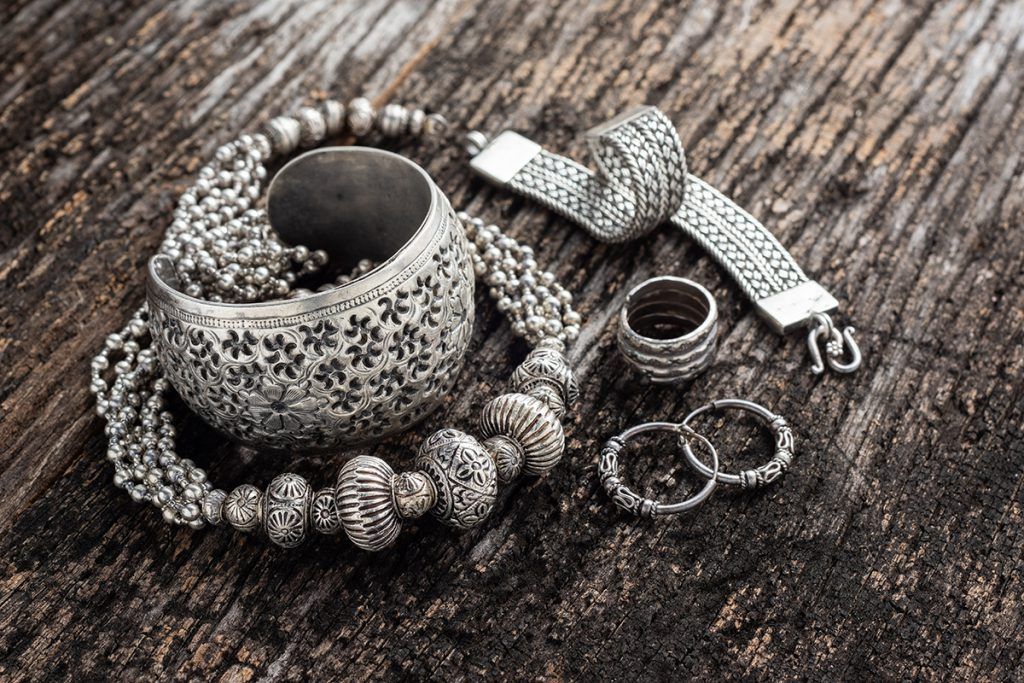
The main advantages of the magnetic tumbler are the speed of operations and the ability to excellently refine objects with complex surfaces, with crevices, grooves, and intricate textures: jewellery, for example. However, it is not suitable for flat surfaces.
As you can see, therefore, the choice of tumbler depends on your needs and goals. Before purchasing, you should at least ask yourself some of these questions:
- What type of material will you primarily use?
- How much do you want to use each time?
- What time frame do you need to produce your items?
- Do you have time to dedicate to tumbling, to monitor the machine during its operation?
- How much do you want to spend?
Based on your answers, you can choose your direction!
Abrasive materials
To achieve the polishing effect, the objects must come into contact and friction with abrasive material that can remove impurities without damaging the object. In tumbling, we therefore use abrasives such as wood pieces, ceramics, metal balls, or stones. In the case of the magnetic tumbler, as we have seen, only metal pins are used. There are also various types of pastas or abrasive powders that can be added to the cylinder to further facilitate the process.
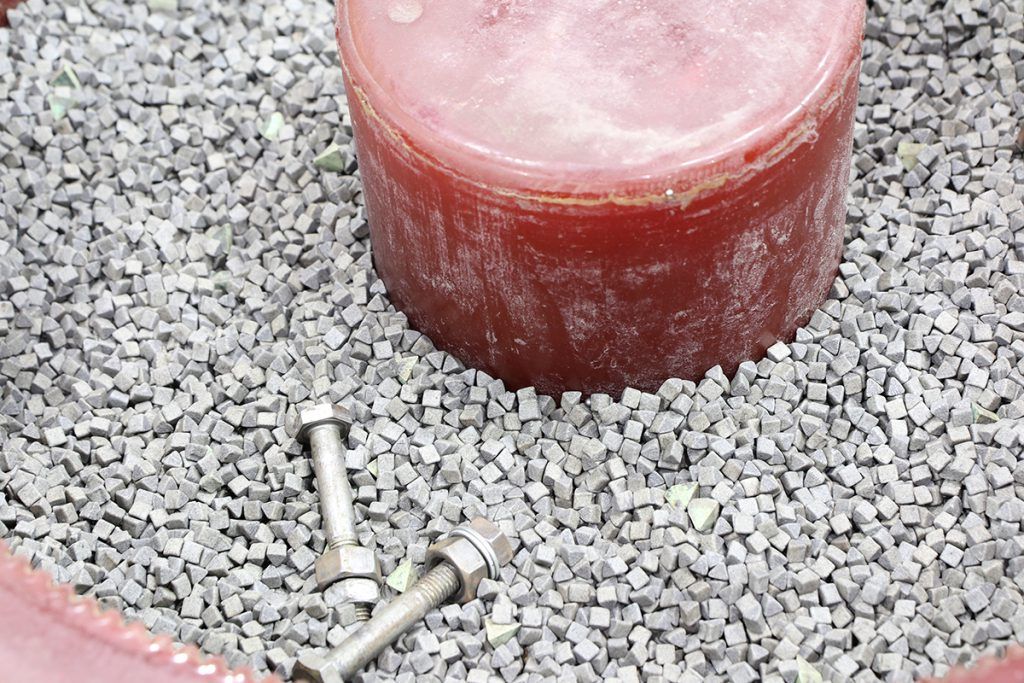
The choice of abrasive materials depends not only on the type of material to be worked on but also on the phase of the tumbling process: normally, one starts with a roughing cycle, to eliminate the most marked defects, then moves on to smoothing and finally to polishing. As you can imagine, there are pastes and abrasives more suitable for roughing and others that are ideal for providing greater shine. But don’t worry, because normally the packages always have specific usage instructions!
The main applications of tumbling
After discovering what tumbling is and how it works, what types of tumblers there are, and how the process is carried out, we finally arrive at discovering what materials and objects can be tumbled.
Typically, the most commonly tumbled materials are:
- plastic materials (cellulose acetate, polyamides, polyesters, etc.)
- precious metals and metal alloys
- natural materials such as wood, horn, mother-of-pearl
- stones
If we think about the main applications, tumbling is particularly used for the finishing and polishing of jewellery and small accessories, such as brooches, buttons, and costume jewellery.
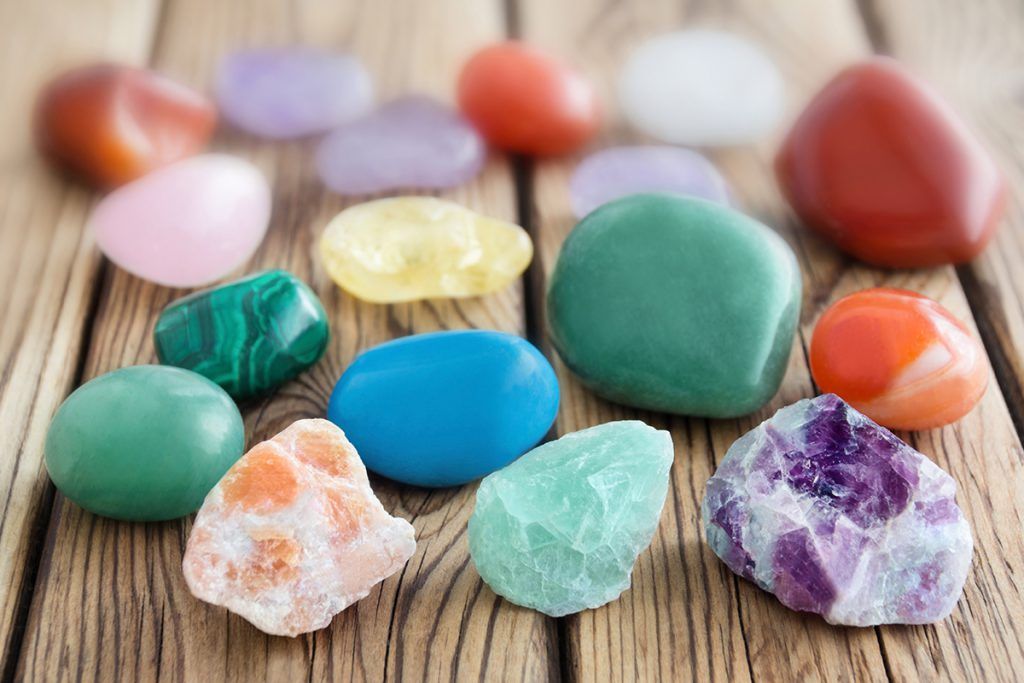
But also for decorative objects, small ornaments or similar. Recently, for example, a type of tumbling that is very popular in the United States, rock tumbling, has been spreading, which allows for obtaining polished and shiny stones like those found on the beach.
As we always say, in this case too, the only limit is your creativity!
The important thing is to have a clear goal in mind and know how to achieve it. And with this guide, we hope to have provided you with useful information to start navigating the world of tumbling.
In the next article, coming soon, we will address the polishing of metals and jewellery.
Stay tuned!