 Italiano
  English
  Français
  Español
  Deutsch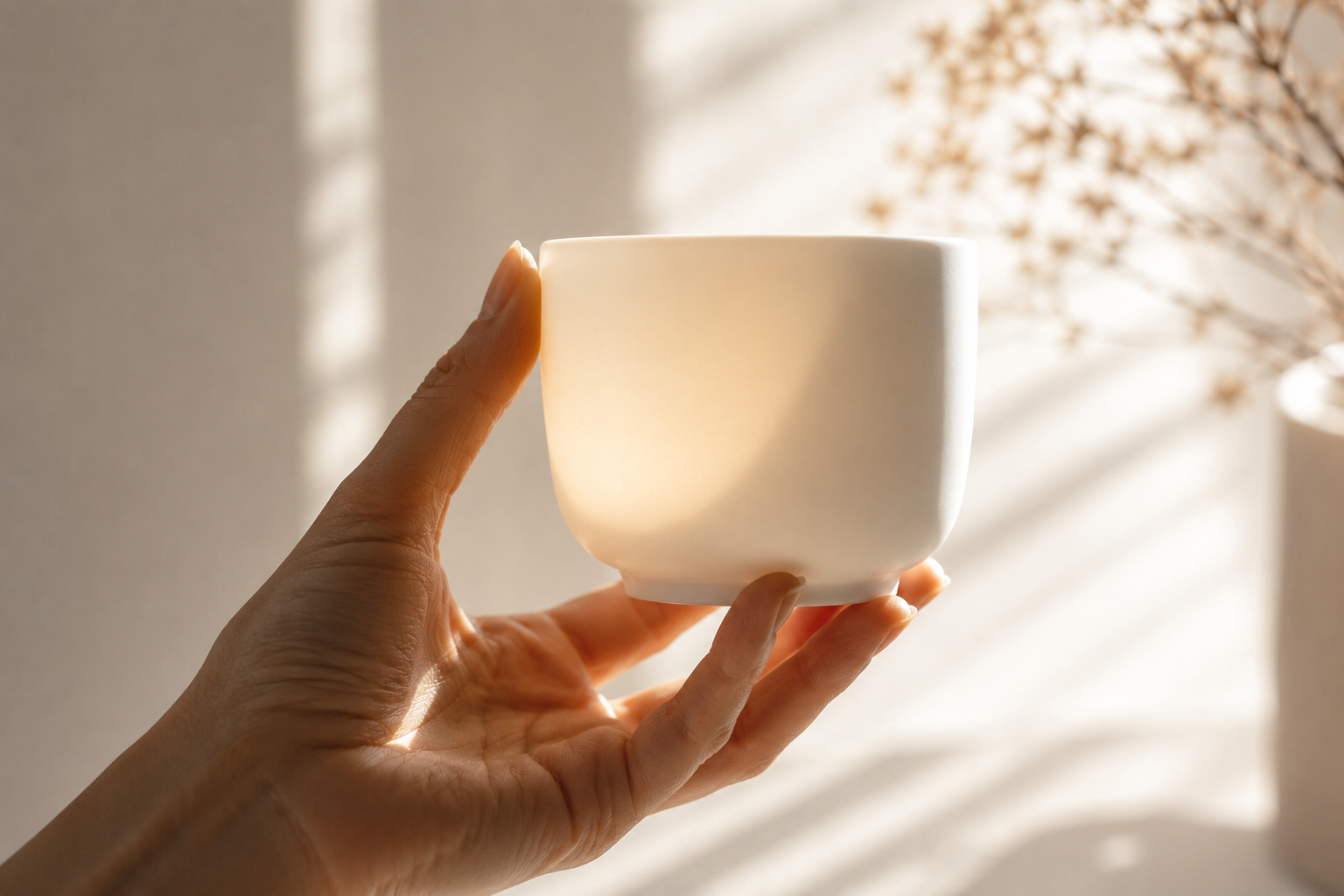
Born in China over a thousand years ago, porcelain has long been considered a precious and almost mysterious material in Europe. Its white, smooth, and shiny surface captivated merchants and nobles, earning it the nickname "white gold." It was not until the 18th century that European artisans managed to reproduce its formula, giving rise to the first major porcelain manufactories. Even today, this material continues to fascinate with its elegance and extraordinary creative versatility.
It is one of those materials that can immediately convey elegance, delicacy, and creativity. Yet, many people observe it with curiosity without ever truly attempting to work with it.
The reason?
It is often considered difficult, fragile, or even "reserved for experts."
In reality, with a simple and gradual approach, the world of porcelain can be much more accessible than one might think.
In this guide, we will explore together:
- what porcelain is
- the differences compared to ceramics
- how to choose it
- what tools are needed to get started
- the most common mistakes to avoid
The goal is not only to explain a technique but to help you approach porcelain with greater serenity, curiosity, and a desire to experiment.
What is porcelain?
Porcelain is a very refined ceramic material, known for its elegant appearance, smooth surface, and light, bright colour.
Traditionally, it is made from a mixture of kaolin, feldspar, and quartz, materials that, once fired at high temperatures, create a compound that is both durable and delicate in appearance.
Compared to other materials, porcelain has very particular characteristics; it is more elastic and less plastic, and before working with it, it needs to be kneaded very well.
The strengths of porcelain
- fine and compact texture
- smooth and elegant surface
- ability to create very thin layers (2/3mm)
- very refined translucent effect
- perfect for tableware and functional objects
The difficulties to be aware of
- dries very quickly
- does not easily retain its shape
- can crack if it dries too quickly
- expensive
Difference between ceramics and porcelain
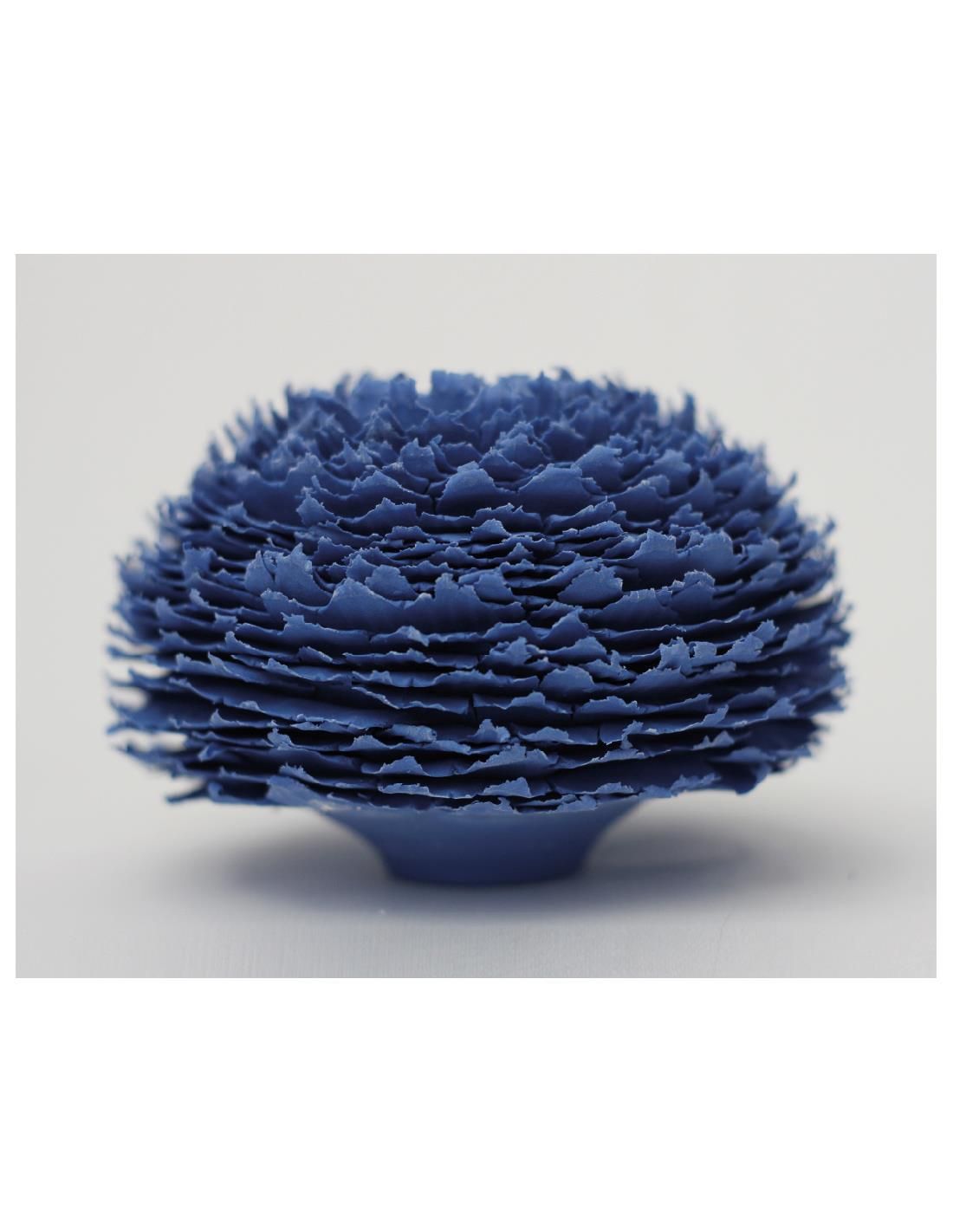
Very often, the terms "porcelain" and "ceramics" are used interchangeably, but they do not actually refer to the same thing.
Ceramics is a broad family of materials obtained from the processing and firing of clay. Porcelain, on the other hand, is a specific type of ceramic, finer and denser.
The main difference lies in the composition and firing temperature.
Porcelain is fired at very high temperatures, which makes it more durable, less porous, and smoother.
Traditional clays, such as earthenware or stoneware, often have a more rustic appearance and a more porous texture.
This distinction is especially important for understanding what final result you wish to achieve; if you love elegant, clean, and delicate surfaces, porcelain might captivate you immediately.
Where to start?
When discovering a new material, the best way to learn is to proceed calmly, one step at a time. With porcelain, this is even more important, as it is a very fascinating but also delicate material in terms of timing and processing.
For this reason, it is better to avoid starting with more complex techniques, such as the pottery wheel. Before tackling advanced techniques, it is useful to learn about the behaviour of porcelain: how it reacts to moisture, how quickly it dries, and how it changes during shaping.
The simplest and recommended techniques to start with are slab and pouring.
The slab technique
Working with slabs is a great way to get familiar with the material. Before starting, it is advisable to have a clear project in mind and prepare any templates, as porcelain tends to dry quickly and requires rapid processing.
For the first attempts, it is better to choose small and simple objects: this way, it will be easier to observe the behaviour of the material and gradually learn to manage it.
Small tip: the work surface and rolling pin must always be well dried; otherwise, the porcelain risks sticking to the surface, making it difficult to lift without damaging it.
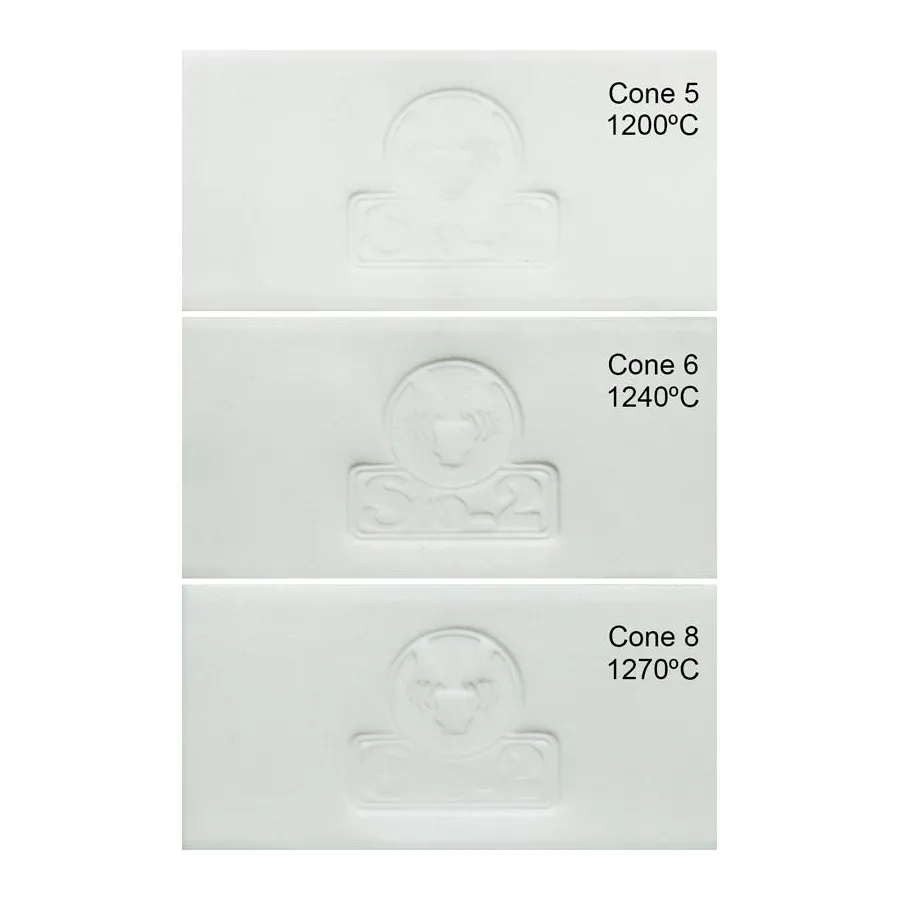
ANETO - White Porcelain
ARTIKA - White Porcelain
The pouring technique
Pouring is also a technique very suitable for beginners. The process is simple: liquid porcelain (called slip) is poured into a plaster mold, you wait for the desired thickness to form, and then remove the excess material.
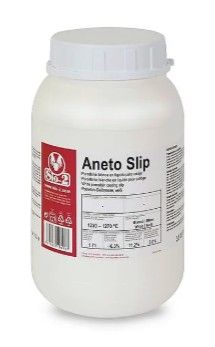
ANETO SLIP - Pouring Slip
Small tip: the slip dries quickly, so you need to clean the edges of the mold shortly after emptying it to achieve a more precise and uniform result.
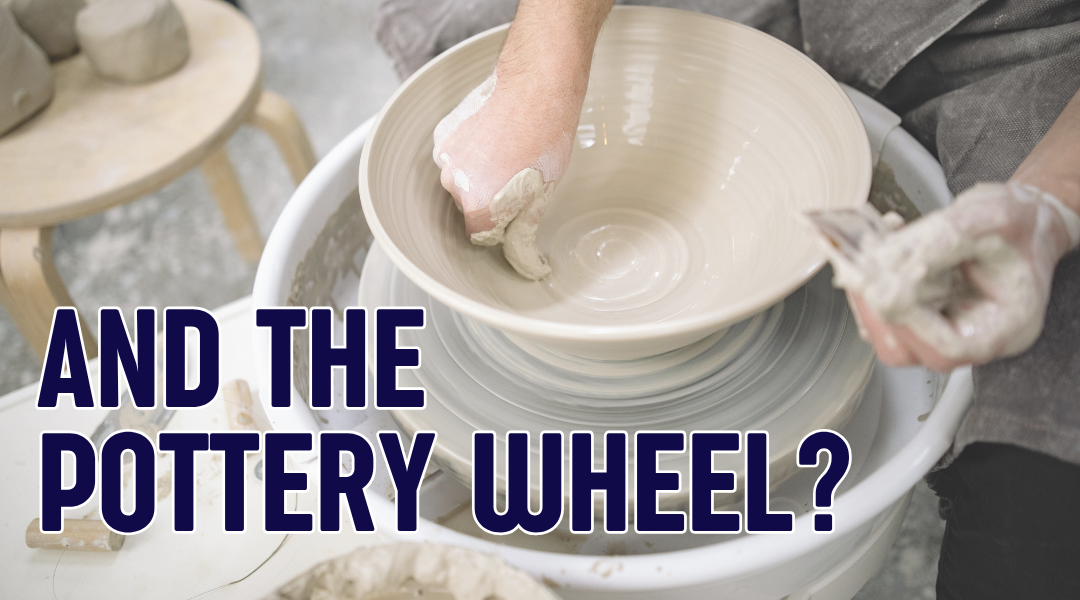
Working porcelain on the pottery wheel
Certainly one of the most fascinating challenges, but it requires a bit more experience compared to other clays.
Porcelain is very sensitive to pressure: strength is not needed, in fact. Too forceful movements can easily deform the piece.
The advice is to work slowly, with light hands, and first and foremost, to understand how the material reacts.
Over time, it becomes an extremely satisfying experience.
What really scares
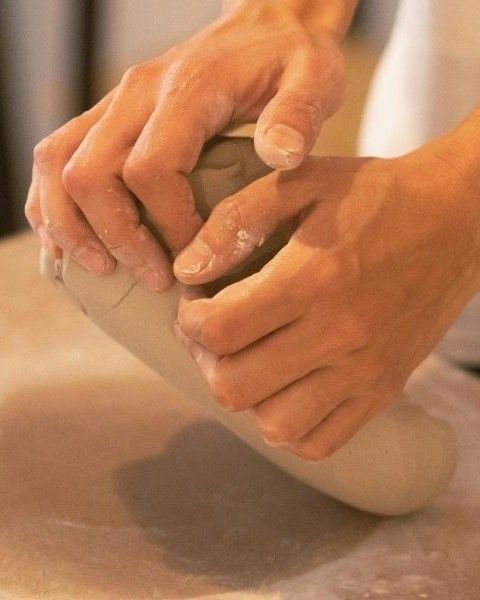
As long as you are working with the material, even if something does not turn out as expected, there is often still the possibility to correct or redo the piece. The phase that truly instils the most fear, especially at the beginning, is the firing.
During the second firing, porcelain can shift slightly, even by just a few millimetres. For this reason, it is important to always leave a certain distance between pieces inside the kiln to avoid them touching or sticking together.
Cleaning also plays a fundamental role: the bottoms of the pieces and the surface of the kiln must be well cleaned, and the use of a release agent is strongly recommended for safer working.
It is often said that porcelain "has memory," and it is a very effective definition. Every pressure, tension, or small imperfection created during shaping can reappear during drying or firing. This is precisely why working with it requires calm, precision, and attention to detail.
Glazing also deserves special care. Porcelain often has very thin layers, and the density of the glaze (or crystalline) becomes a fundamental element for achieving a good final result. Generally, when the piece is immersed in glaze and then removed, the surface should dry very quickly: this is often a sign of correct density.
Common beginner mistakes
When taking the first steps, it is entirely normal to make some mistakes. In fact, it is often through mistakes that one truly learns to know the material and improve their technique.
Let’s look at some useful tips to reduce the most common defects from the very first works:
- Using too much water
Water facilitates surface working, but if used excessively, it can compromise the structure of the material, making it more fragile and difficult to manage.
- Making overly complex projects at the beginning
At first, it is advisable to focus on simple creations. Gradually proceeding allows you to gain confidence, develop manual skills, and avoid unnecessary frustrations.
- Working too quickly
Haste is often one of the main causes of problems during working, such as:
- cracks
- deformations
- uneven surfaces
Taking the necessary time for each phase helps achieve better and more satisfying results.
Getting discouraged at the first attempts
Working with porcelain requires practice, patience, and consistency. Every project, even the least successful one, represents an opportunity for learning and growth.
Remember that even imperfect objects have value: they tell the creative journey, the experience gained, and the passion of those who made them.
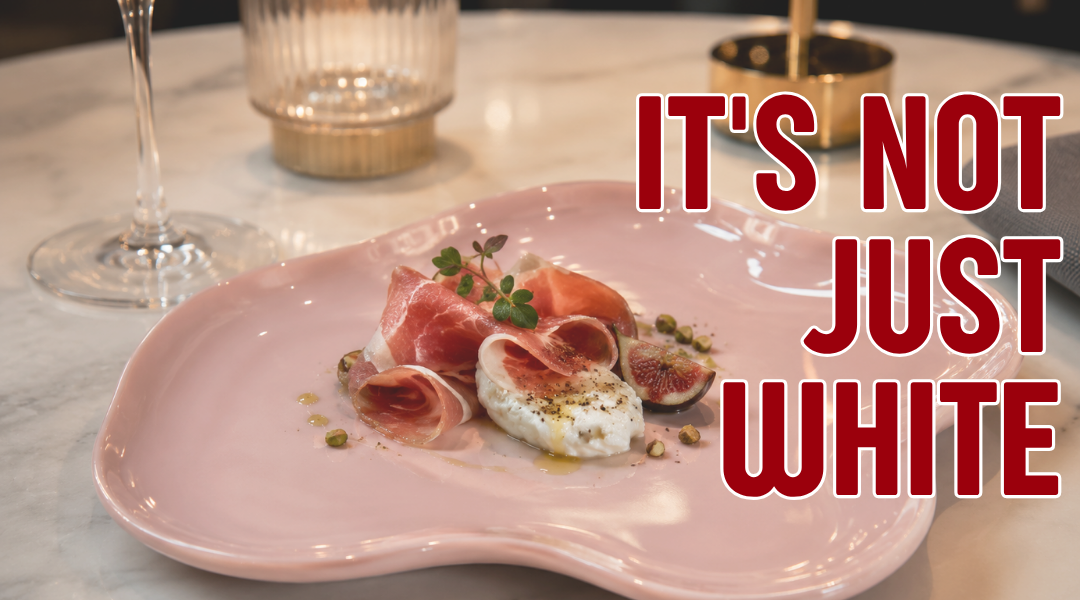
Coloured porcelains
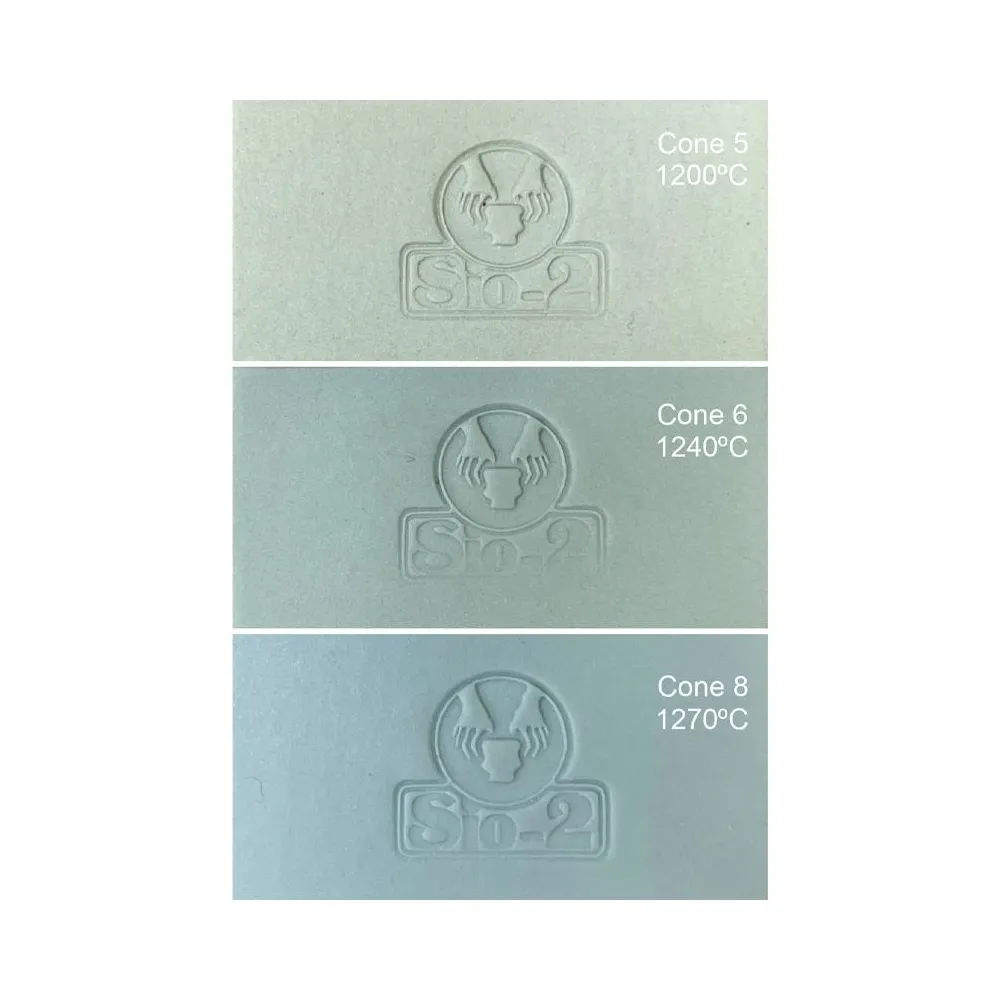
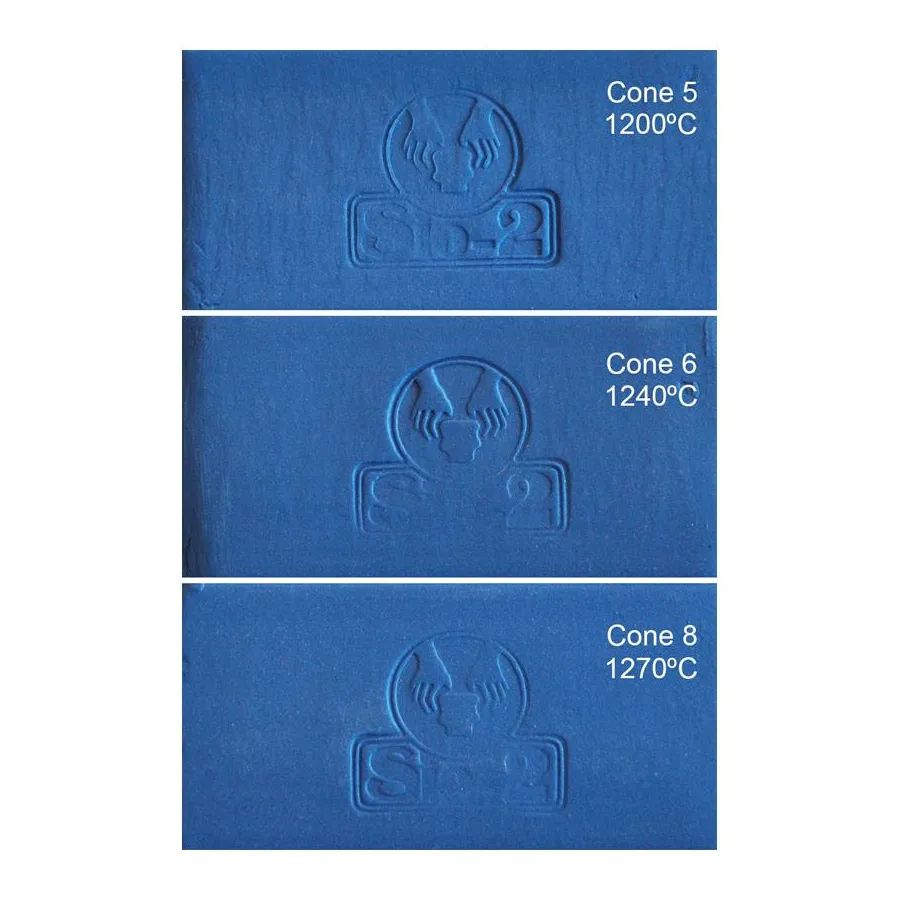
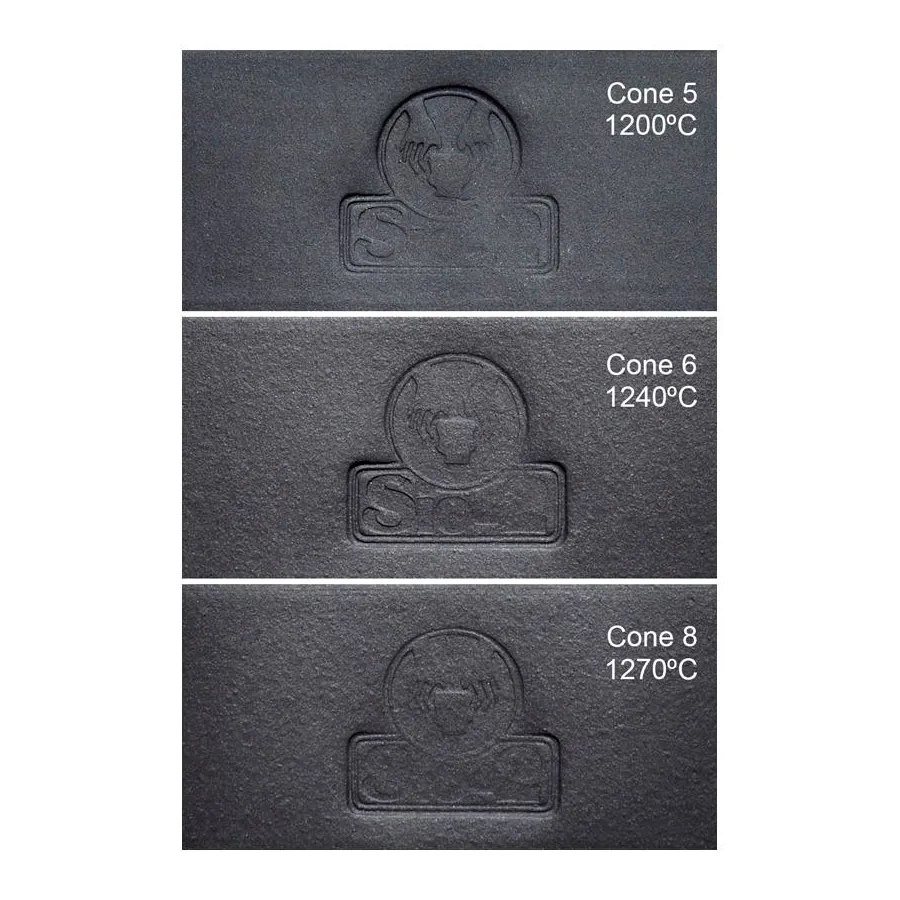
Porcelain is not only available in the classic white colour. Today, there are indeed various pre-coloured options that allow for the creation of original and visually striking pieces.
Using coloured porcelain allows for unique objects, often characterised by a contemporary and refined style, capable of enhancing any creative project.
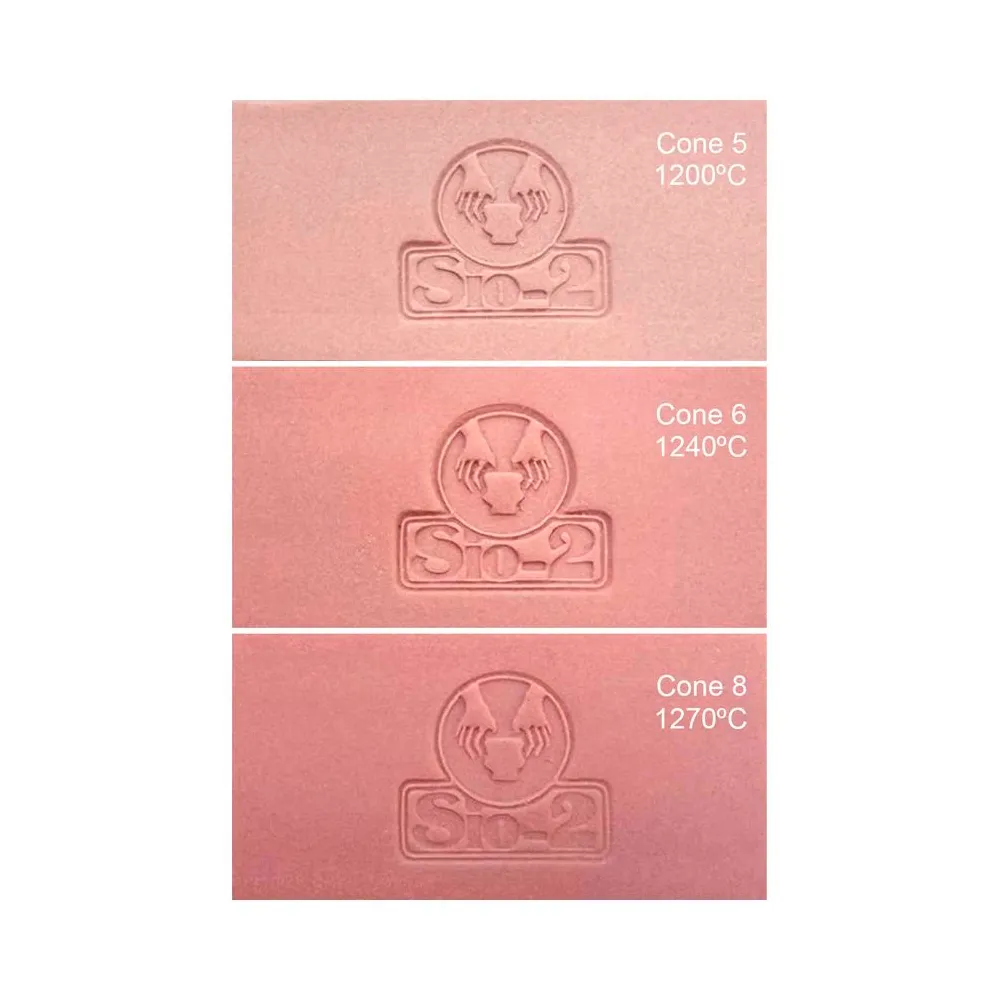
BEGUR - Pink Porcelain
LAGOON - Turquoise Porcelain
UPSALA - Blue Porcelain
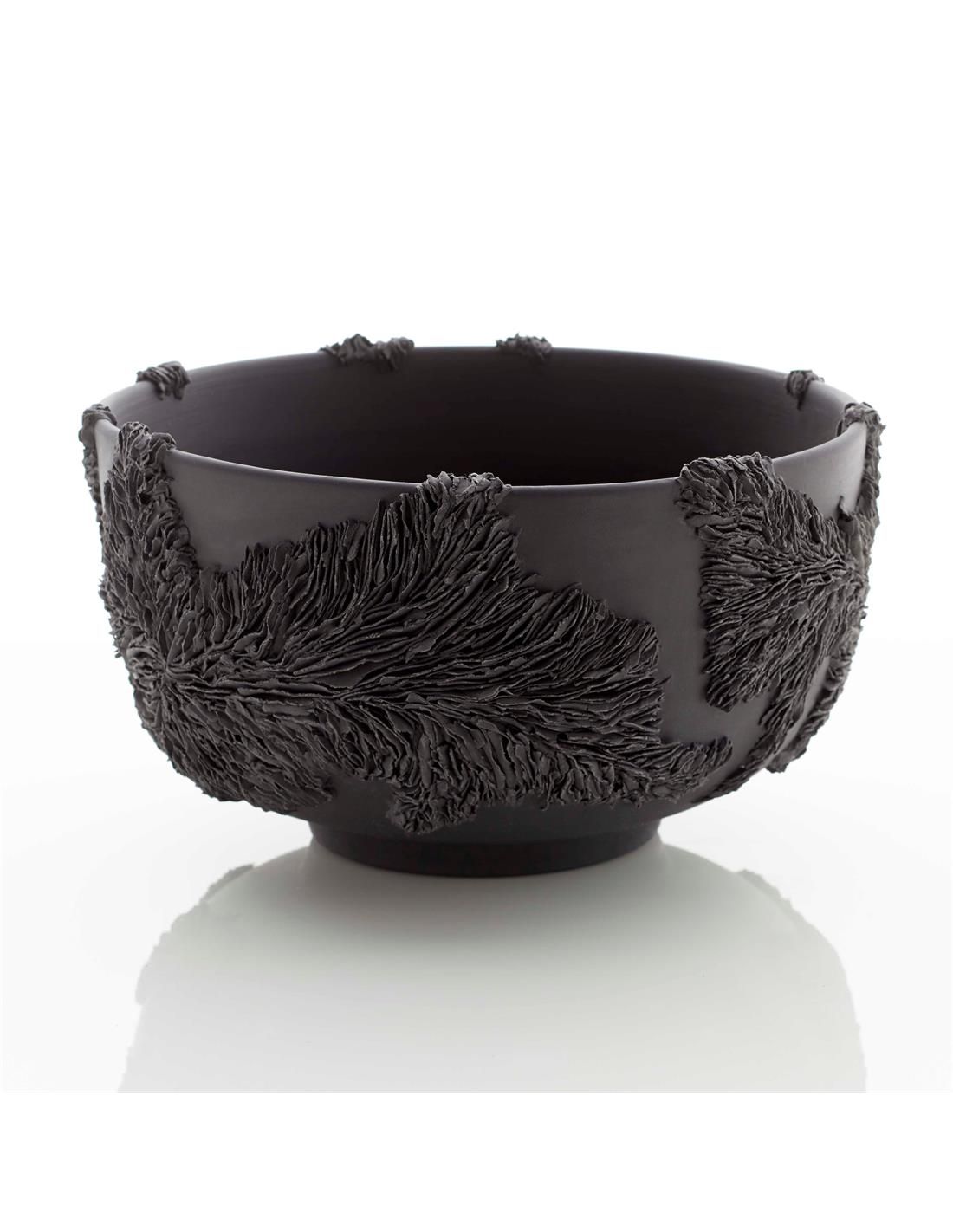
BLACK ICE - Black Porcelain
Porcelain is a material to live with without fear
One of the most beautiful aspects of creativity is the possibility to experiment.
Porcelain should not be seen as a "too difficult" material, but as a fascinating world to discover step by step.
With the right materials, the appropriate tools, and a simple and gradual approach, even those starting from scratch can achieve surprising results.
The most important thing is not to achieve perfect results immediately, but to learn to know the material, experiment, and have fun during the creative process.
Because often the most beautiful projects arise precisely when we stop being afraid of making mistakes.
Discover HERE all the porcelain and slips from Hobbyland.
Domande frequenti
What is porcelain?
Porcelain is a specific type of ceramic composed mainly of kaolin, feldspar, and quartz. After firing at high temperatures, it becomes compact, durable, and characterised by a smooth and shiny surface.
What is the difference between porcelain and ceramics?
Ceramics encompasses many different materials obtained from firing clay. Porcelain is a more refined ceramic, less porous, and generally fired at higher temperatures.
Is porcelain difficult to work with?
Porcelain requires more attention than other clays because it dries quickly and tends to deform more easily. However, it can be worked by beginners starting with simple techniques.
What is the best technique to start working with porcelain?
The most recommended techniques for beginners are slab working and pouring slip into plaster molds, as they allow you to get to know the material without immediately tackling more complex processes like the pottery wheel.
Why does porcelain crack?
Cracks are often caused by too rapid drying, uneven thicknesses, or excessive use of water during working.
Can porcelain be used to make tableware?
Yes. Due to its compactness and low porosity, porcelain is one of the most commonly used materials for plates, cups, bowls, and other items intended for food contact.
At what temperature is porcelain fired?
Porcelain is generally fired between 1200°C and 1300°C, depending on the formulation used by the manufacturer.
Are there coloured porcelains?
Yes. In addition to the classic white porcelain, there are coloured porcelains that allow for the creation of decorative and artistic objects without necessarily using coloured glazes.