 Italiano
  English
  Français
  Español
  Deutsch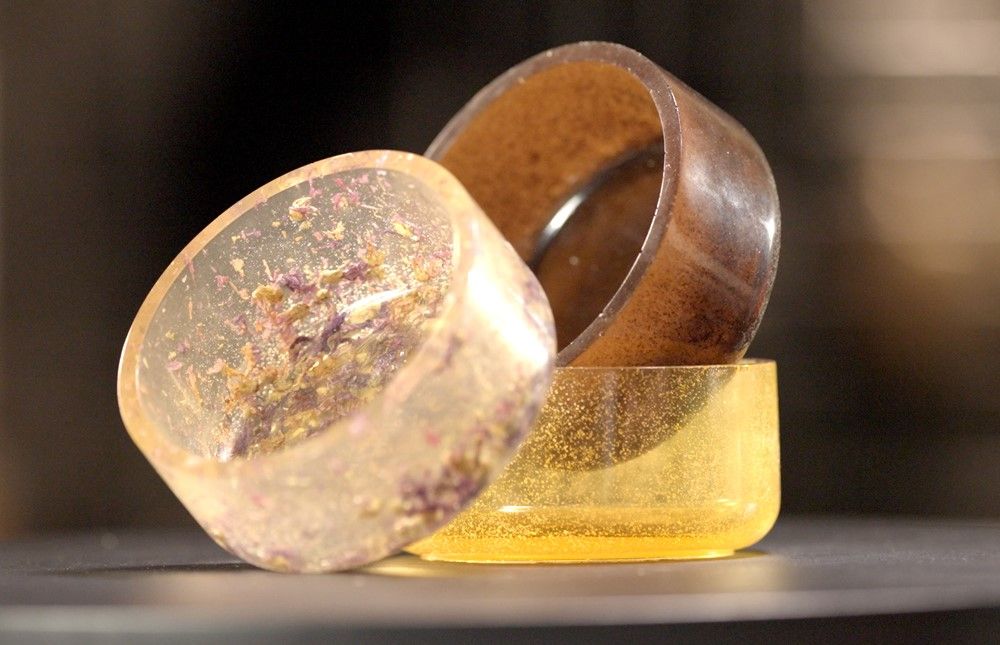
Reslin® is the first 100% biodegradable plant-based resin, designed to provide an eco-friendly and safe alternative to traditional epoxy resins. Thanks to the combination of linseed oil and a natural activator derived from sugar beet molasses, Reslin® allows you to easily and quickly create decorative, functional, and artistic objects. Its best quality is that it is free from harmful substances, which means you won't need safety equipment!
The unique features of Reslin®
- Sustainable and biodegradable: 100% natural and free from harmful chemical components.
- Safe and easy to use: can be worked without gloves, perfect even for beginners.
- Versatile: suitable for both large and small projects, you can add pigments, metal powders, eco glitter, and even materials in combination such as GlassRoxx, Jesmonite, natural stones, etc.
- Quick drying: your object will be ready in no time, thanks to a low-temperature cycle in the ventilated oven.
It is also produced entirely in Europe with European-sourced raw materials. The linseed oil comes from Spain, and the activator is a natural hardener based on sugar beet molasses, derived from European sugar beets. Its packaging is highly durable: the jars and bottles are made from recycled material and can be reused up to 30 times. The ideal product for those looking for a durable material with a particular focus on environmental care.

How to use Reslin®
For optimal results, as with all resins, it is very important to respect the correct mixing ratio between oil and activator. The ratio to follow is: 1 part Activator and 2 parts Oil. However, first, we need to calculate the amount required for the mould we are using. Just follow these simple guidelines to find it.
Option A – If you are not adding materials inside the mixture, excluding dyes:
- Place the mould on a scale and measure in grams the amount of water it can hold (e.g. 300g).
- Divide the value into 3 parts, two of which will be the oil and one the activator (e.g. 200g of oil + 100g of activator).
Option B – If you are adding GlassRoxx or Reslin glass beads:
- Weigh the amount of water that the mould can hold and double it.
- 2/3 of the total weight for GlassRoxx and 1/3 for Reslin (of which 1/3 activator and 2/3 oil). Example: if the mould holds 300g of water, multiplied by two gives a total weight of 600g. Therefore, we need to obtain 400g of GlassRoxx, 66.6g of activator, and 133.3g of oil.
What you need
- Reslin Set (oil + activator)
- Scale
- Silicone mould
- Pigments or other additives (optional)
- Thermometer
- Spatula or stick
- Gloves (optional)
- Mixing container
- Ventilated oven
The procedure
Step 1. Calculate the amount
As described above, the first step is to calculate the correct proportion between the parts.
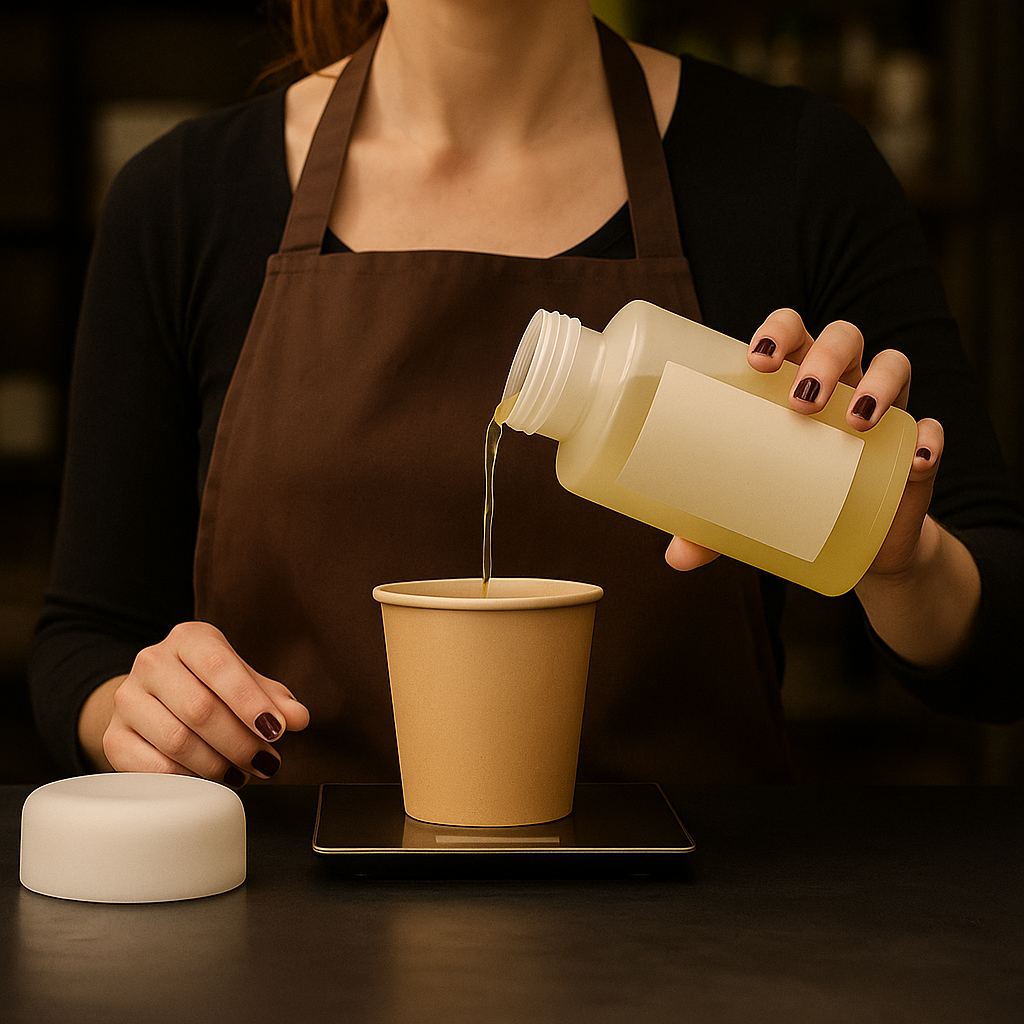
Step 2. Prepare the ingredients
Heat the oil and activator in a ventilated oven at 60°C for 20 minutes. Heat them directly in their containers without the lid.
(WARNING! Do not use the microwave, and if you are using GlassRoxx or Reslin glass beads, heat them together to avoid thermal shocks.)
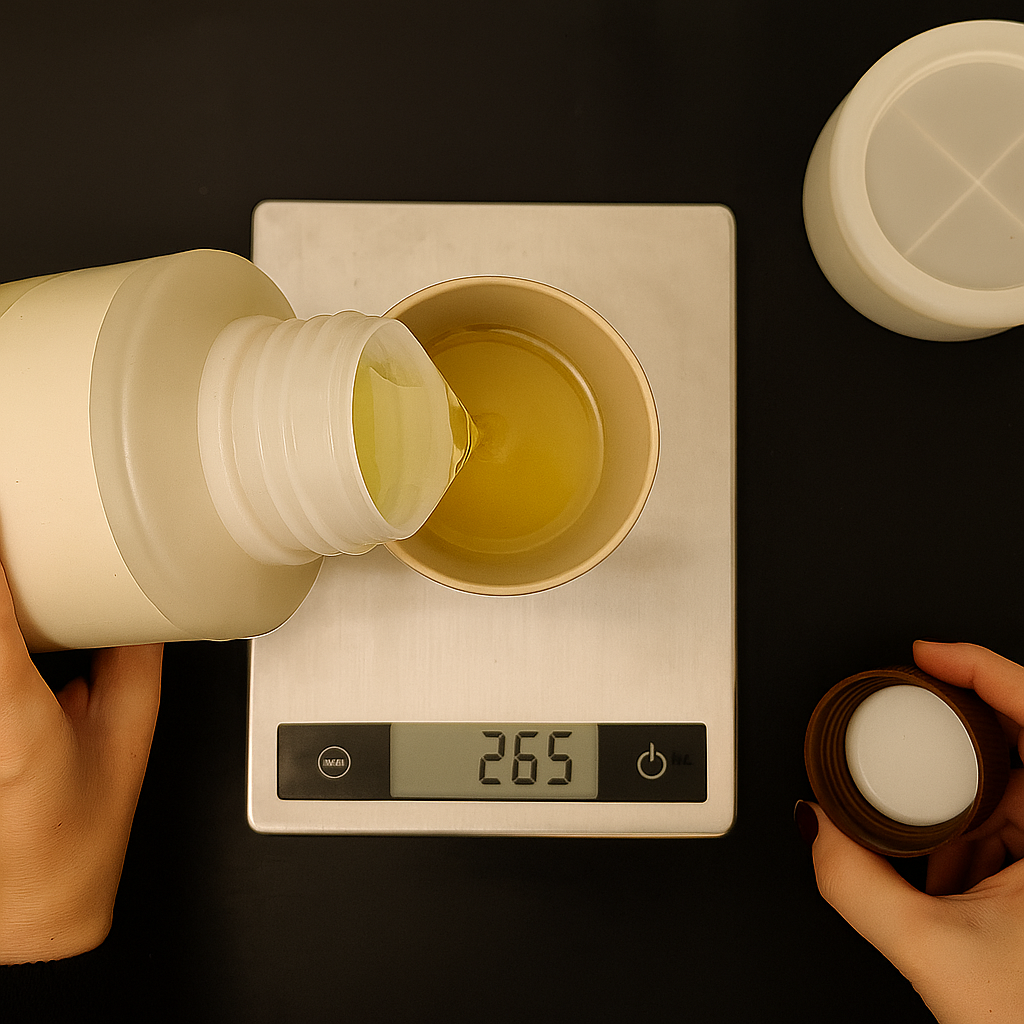
Step 3. Mix
Check with the thermometer that the ingredients, activator and oil, have reached the right temperature, weigh them in the correct proportion, and mix them thoroughly in a separate container until the activator is completely incorporated. We recommend pouring the oil into the activator to facilitate mixing. At this point, if desired, you can add components to customise it, avoiding water-based additives.
You have 15 minutes to pour into the mould.
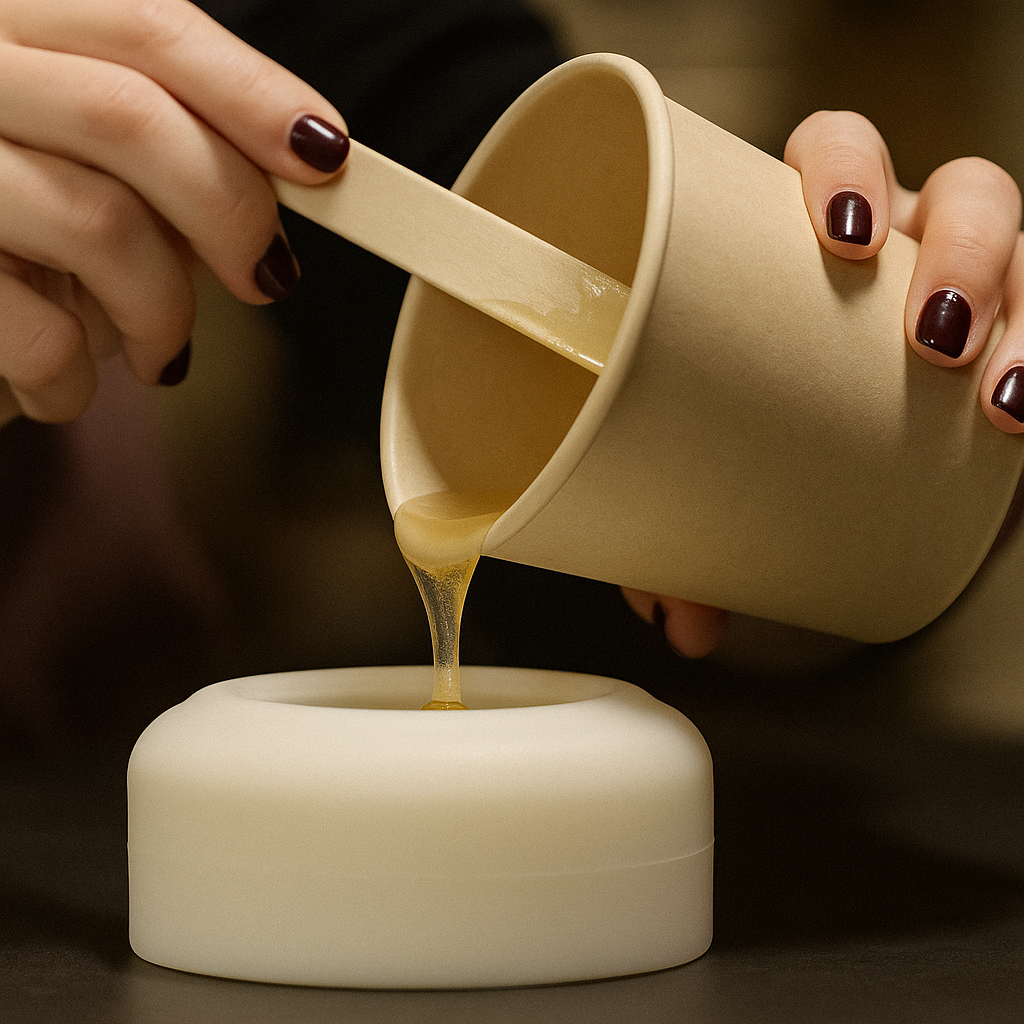
Step 4. Fill the mould
If you are pouring only Reslin without additives or only with dye, you can proceed to pour directly into the mould. If you are adding elements like GlassRoxx, Reslin glass beads, or other natural elements, mix them into the mixture and when pouring, push them with a stick or spatula to distribute them well in the mould.
Let it rest for 20 minutes before baking.
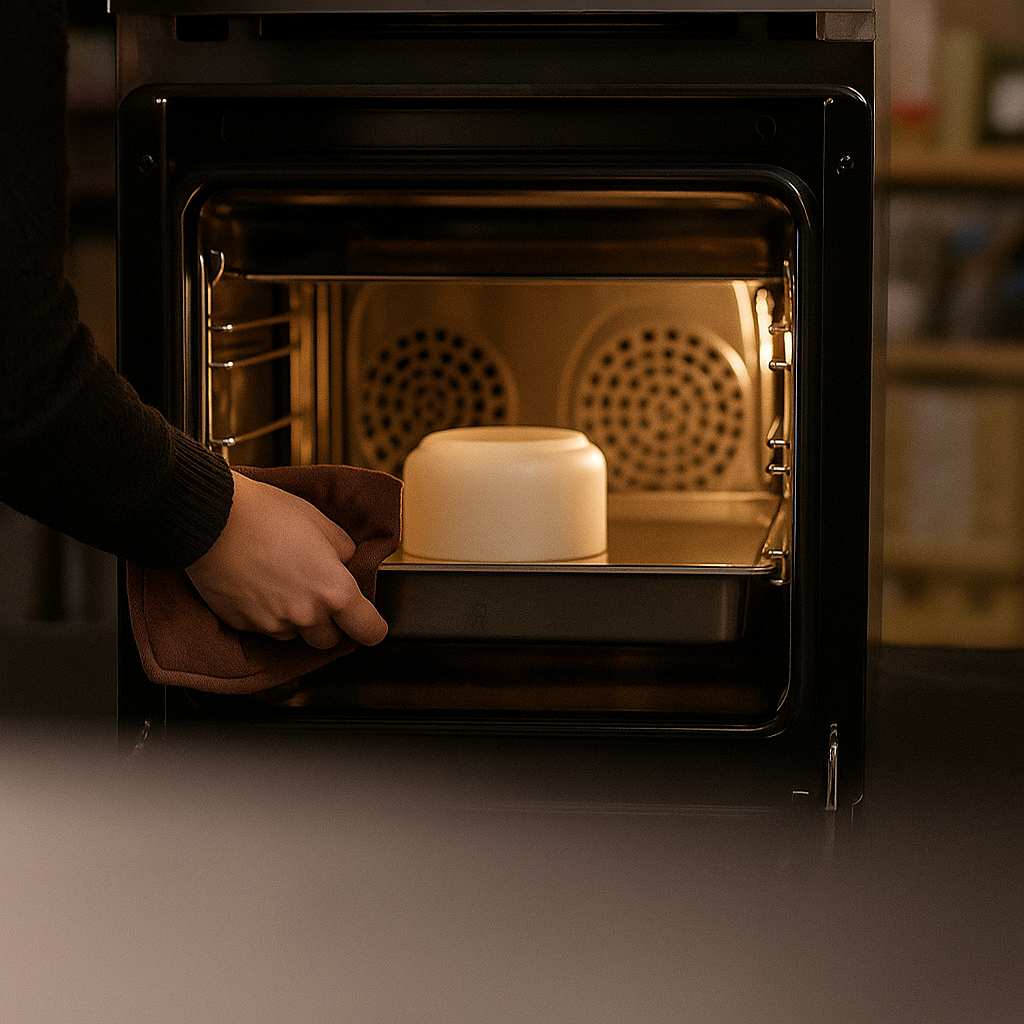
Step 5. Two-phase baking
Place the mould in the ventilated oven and heat it for 20 minutes at 90°C; you can also use a regular oven, but the ventilated function distributes heat more effectively.
Increase the temperature to 120°C and bake for another 20 minutes.
WARNING! Do not open the oven between the two phases.
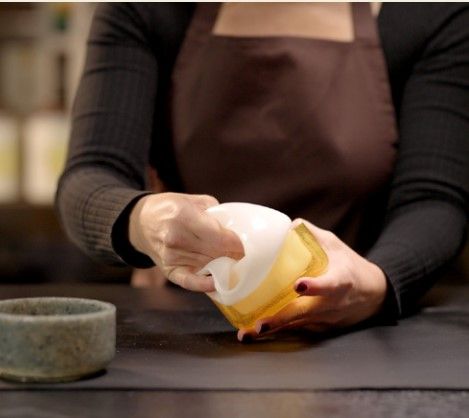
Step 6. Cooling and demoulding
After the second heating phase, proceed to cool the object. We have two options:
1. AIR COOLING: let it cool naturally for several hours.
1. QUICK COOLING: immerse the mould in cold water, ensuring that the inside is not still warm before removing it from the mould.
In both cases, the resin becomes completely solid and ready for use after 12 hours.
Endless customisation possibilities
Now all you have to do is choose how to customise the objects you want to create. You have many additives at your disposal that you can use individually or in combination to create special and unique effects!
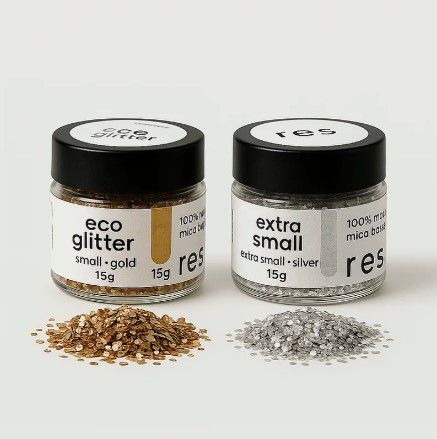
Eco Glitter
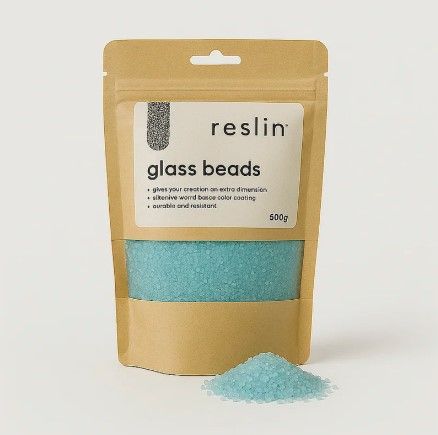
Perle di vetro
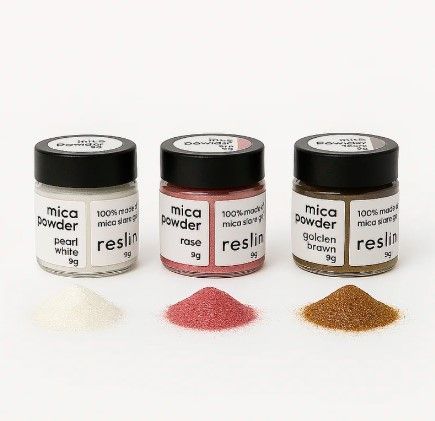
Polvere di mica
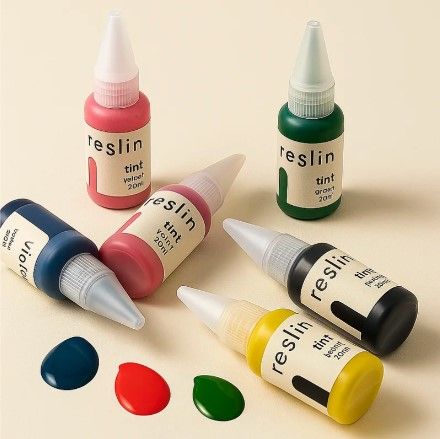
Pigmenti

Polvere metallica