
 Italiano
  English
  Français
  Español
  Deutsch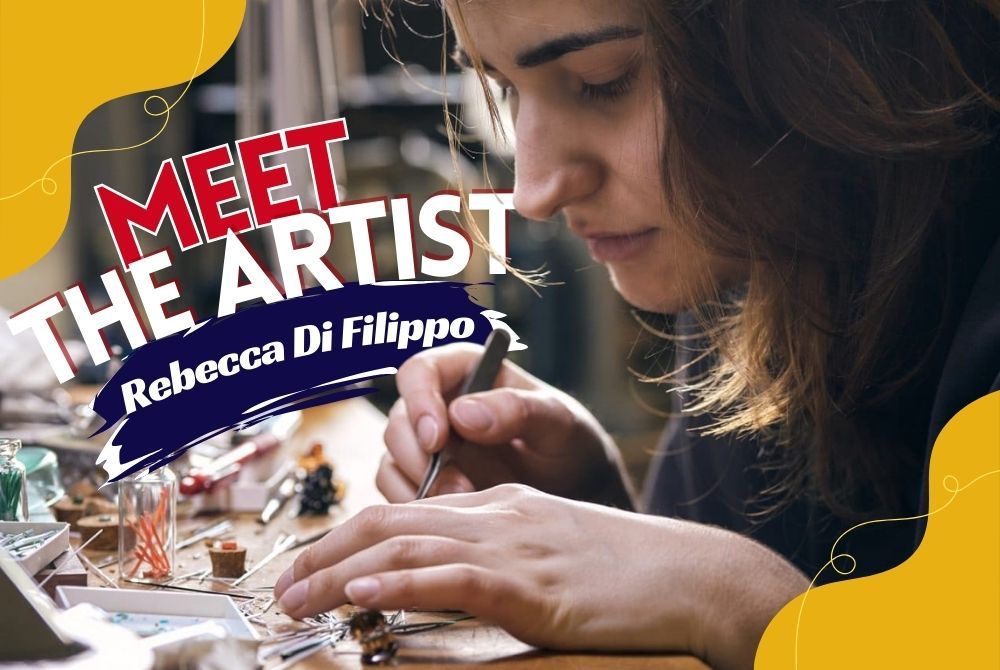
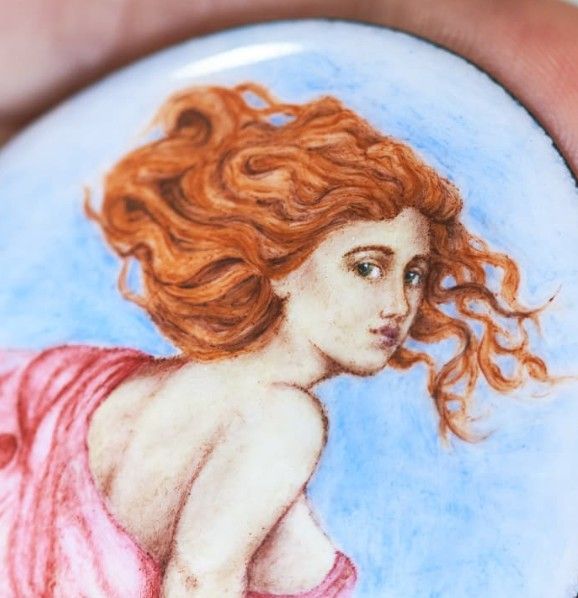
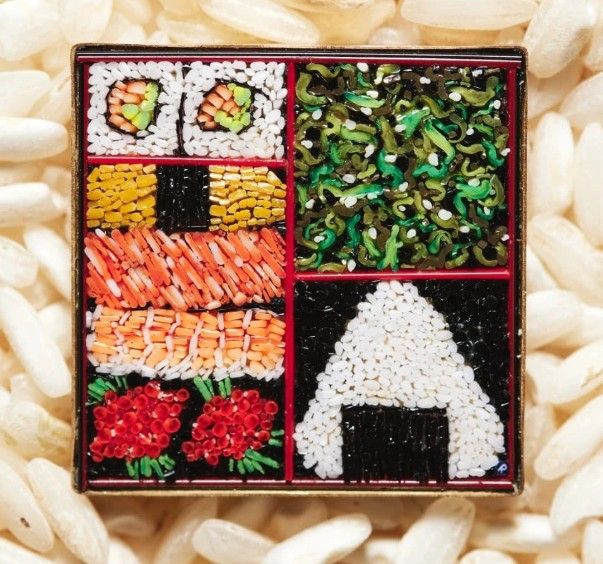
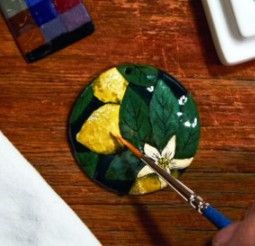
Rebecca Di Filippo, known on social media as Rebecca D. Enamel, is an Italian artist and artisan specialising in the creation of jewellery and objects in Micromosaic and Vitreous Enamel on metal. She works in a studio near Milan, where she creates unique jewellery and objects, combining technical research with aesthetic sensitivity. Alongside her artistic production, she is consistently dedicated to training through workshops, tutorials, and ebooks, aiming to transmit and preserve ancient techniques. The group workshops hosted exclusively by Hobbyland welcome participants from countries all over the world.

Hello Rebecca, thank you for being here with us, it’s a pleasure to host you and delve into your artistic journey together. With this interview, we want to share your experience, your vision, and what drives your daily work in the studio.

Thank you for the invitation, I’m happy to participate in this new section of Hobbyland's blog.
Do you remember the first object you created and thought: "okay, this works"? How old were you and how long had you been preparing to achieve that result?
No, I haven't reached that point yet and perhaps deep down I hope I never do. I am not satisfied with my creations so far, this drives me to keep creating, improving, and never stopping.
When did you realise that this art wasn’t just a passion, but that you could turn it into a real profession?
Very early, I was 18 or 19 years old. At that time, it was almost impossible to find an enameller, so as soon as word spread of my presence, goldsmiths and companies began to contact me. Today's success, if we want to call it that, has gradually come, also thanks to micromosaic.
What are the names of 3 artists you follow and who still inspire you today?
I’m thinking too much. I am very influenced by Botticelli and Dante Gabriel Rossetti. There are many others, perhaps Phoebe Anna Traquair stands out for the shapes of her jewellery and the use of silver leaf.
In this discipline, do you ever stop learning?
Absolutely not! Every piece and every mistake are new lessons. You never get bored.
What is the most underrated aspect of your work, something that people outside might not imagine?
There is a balance between technique and creativity. The pursuit of excessive technical perfection can be paralyzing. Sometimes accepting a technical imperfection is the best way to achieve the right aesthetic of a piece.
Is there a gesture or a phase of the creative process that you particularly love? Why?
When I talk about micromosaic, I love pulling the enamels, it’s my absolute favourite thing. As for vitreous enamel, trying new colours is a research process that opens up new possibilities.
What is the most outrageous mistake you’ve made and what did it teach you?
You could make a very long list of mistakes I’ve made over the years or mention a random one, but it wouldn’t change much because they’ve all taught me the same thing: never give up!
What is the most absurd or funny moment that happened in the studio?
I believe the funniest moments are all related to the workshops. When you meet people from different parts of the world who speak different languages, comedic episodes are just around the corner. One of my fondest memories from a course is related to a gentleman who participated in a group course at Hobbyland. I try to keep a light atmosphere, I make jokes or at least I try, but he was very serious, impassive, super focused. Until we discovered he spoke Spanish like two other participants. Suddenly, he became a different person. He joked and made everyone laugh. It’s lovely to see complicity and sometimes friendships blossom between people who have never met before and who live thousands of kilometres apart.
Where does your inspiration come from today: more from technique or from what you experience outside of work?
In the morning I wake up, have an idea, and I need to realise it. My creative process is very simple; I only respond to an inner need.
Is there a material or a tool that you hold dear and from which you would never part?
My tweezers, both for enamel and micromosaic, are the most useful tool. I customise the tweezers 7528 with sandpaper, a small modification that makes them perfect, and woe betide anyone who touches them; they are sacred.
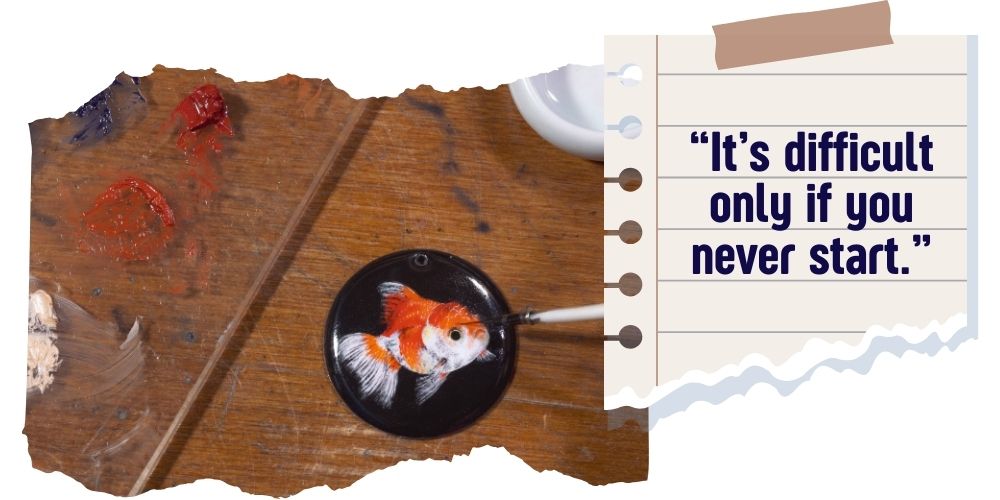
What would you say to someone who thinks your art is “too difficult” to start?
It’s only difficult if you never start. There is a style for everyone, and this allows for spectacular works to be created even by those with little manual skill.
Is there a new direction you would like to explore in the coming years? Future projects?
I am working on a new book and many other new projects, but you will have to keep following me on social media to discover them.
Besides being an established artist, you have been a Hobbyland customer for many years, and it is a true pleasure for us to support you in your projects. What are the reasons you would recommend purchasing from the Hobbyland website?
Efficiency and professionalism. In more than 10 years, I have never had any problems.
One last question, the slightly embarrassing one, but it will make our readers smile, tell us: what do you do in the studio that you would never admit in a “serious” course?
Let’s say that if you don’t dance while firing enamel in the kiln, you’re only having half the fun.
To conclude: a phrase or a word that inspires those who, like you, want to embark on this career.
In all craft work, you encounter difficulties. You must always remind yourself “Today is not a good day to give up, tomorrow neither.”
Discover the workshops with Rebecca on Hobbyland
Join the exclusive micromosaic and vitreous enamel courses organised by Hobbyland.