 Italiano
  English
  Français
  Español
  Deutsch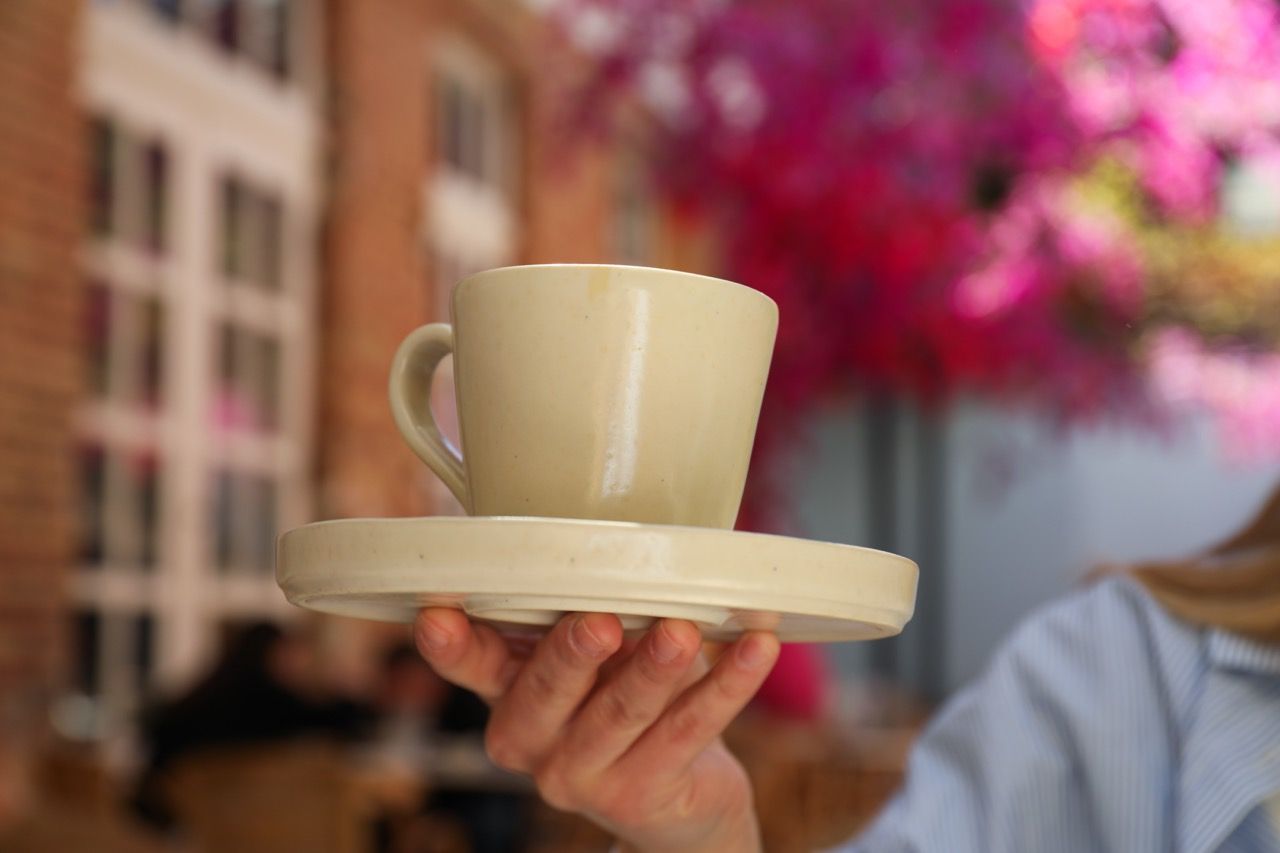
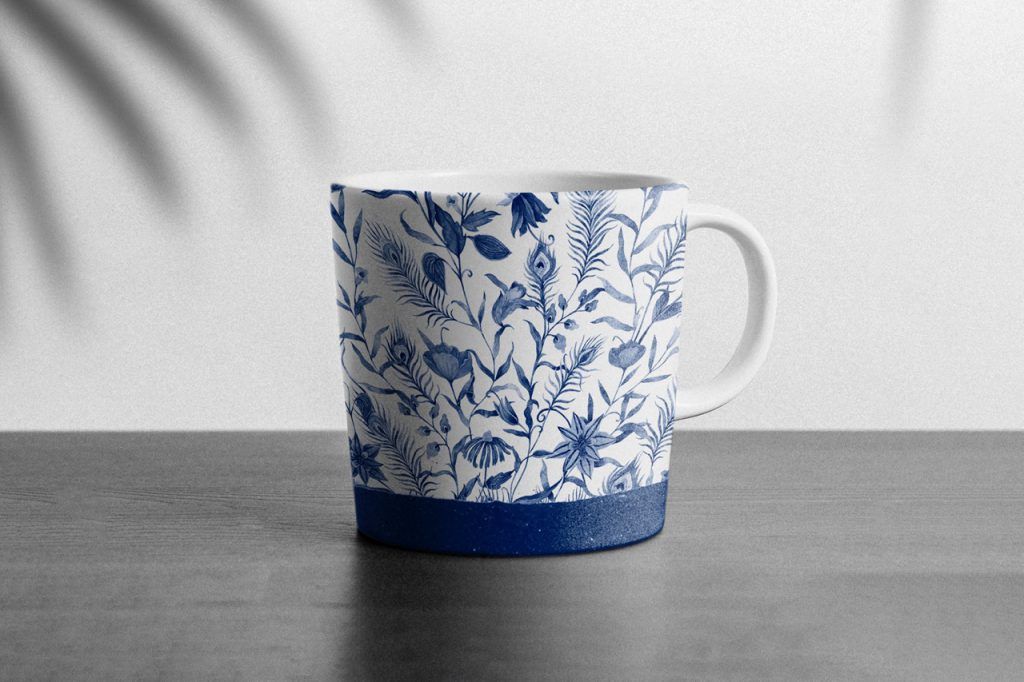
Many of the items commonly made from ceramics are intended for the kitchen: plates, containers, mugs or bowls are all examples of ceramic creations with food use. Since they must come into contact with food and beverages, these products need to be made with particular care and, in the case of production aimed at sale, they must also comply with a specific European directive, known as MOCA.
If your ceramic production has professional purposes and involves selling, then this article is just what you need. We will explore together the characteristics of the MOCA directive for the production of ceramic items intended for food use.
The MOCA Directive
The acronym MOCA stands for Materials and Objects in Contact with Food. This directive defines the parameters for food contact suitability and applies to all objects and materials intended to come into contact with food, including those made from ceramics.
For more information and details, we recommend familiarising yourself with the directive on this page of the Ministry of Health.
In general, the directive establishes that food contact items must be produced according to "good manufacturing practices" and in such a way that, once in contact with food, they do not transfer potentially harmful components to health nor cause changes in the composition and organoleptic characteristics of the food itself.
Among the substances that need to be particularly monitored, due to the effects they can cause if transferred to food, the directive mentions lead or cadmium, for example.
Products for the processing and decoration of ceramics are usually free from these elements, and if not, their presence will be clearly highlighted on the label. A general piece of advice, therefore, is to always carefully check labels and usage instructions, and to rely on the experience of knowledgeable retailers who can guide you to the most suitable materials for your work.
Types of Ceramics and Food Use
An interesting aspect of the directive in relation to ceramics is that the regulation applies only to the part of the object that actually comes into contact with food: in the case of a bowl or a mug, it is only the inner part that must be treated in accordance with the directive's requirements.
Glazing, therefore, is a fundamental part of the production of ceramic items intended for food use, as through this process you can seal, waterproof, and protect the ceramics, preventing any potentially risky components in the clay body or in the paints used for decorations from transferring during contact with food or liquids.
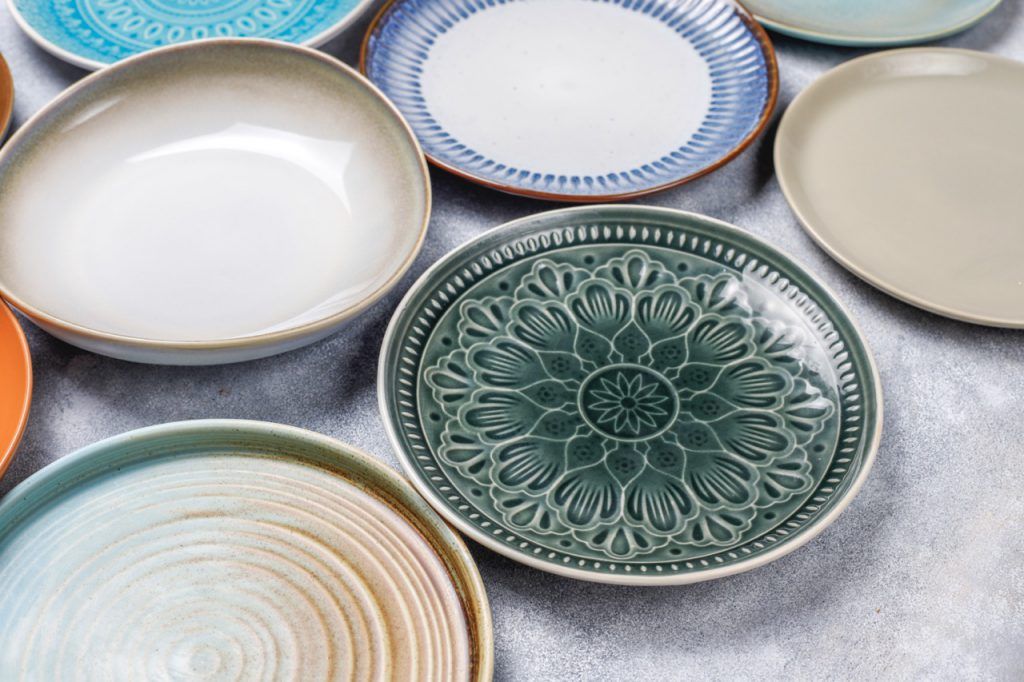
What are the most suitable clays for making ceramics for food use?
Although white earthenware or red clay are commonly used to make kitchen items and utensils, these bodies are not particularly suitable for food use due to their fragility. However, if subjected to adequate glazing, they will be able to comply with the MOCA directive's requirements.
High-temperature bodies such as porcelain or stoneware, which are very suitable for food use, should preferably be used without grog. If not properly finished, they could, after glazing, give rise to a crazed effect. While this does not fall under the regulation, using plates or mugs where liquids can penetrate through micro-cracks is unhygienic and unattractive.
Registration, Certification and Labelling
In addition to the general indications on the production of MOCA items, it is important to know what bureaucratic and operational obligations must be met in accordance with the directive.
Artisans intending to produce and sell ceramic items for food use must first communicate the start of their activity to the Single Desk for Productive Activities in their region and register as economic operators (OE) concerning MOCA items.
They must also ensure the traceability of the raw materials used, creating and maintaining an updated register that allows tracking all materials used and linking them to the finished product.
We therefore recommend contacting your regional office for specific information and guidance on correctly completing the procedure.
Finally, all products made for food use (and therefore ceramics) must be accompanied by a certificate of conformity, which can be issued by the manufacturer itself or by a seller based in the European Union, and by a specific label that contains the wording "for contact with food products" or specific instructions for the product's use in relation to food.
The website of the European Food Safety Authority (EFSA) has set up a dedicated page for materials in contact with food where you can find further information and documentation.