 Italiano
 English
 Français
 Español
 Deutsch
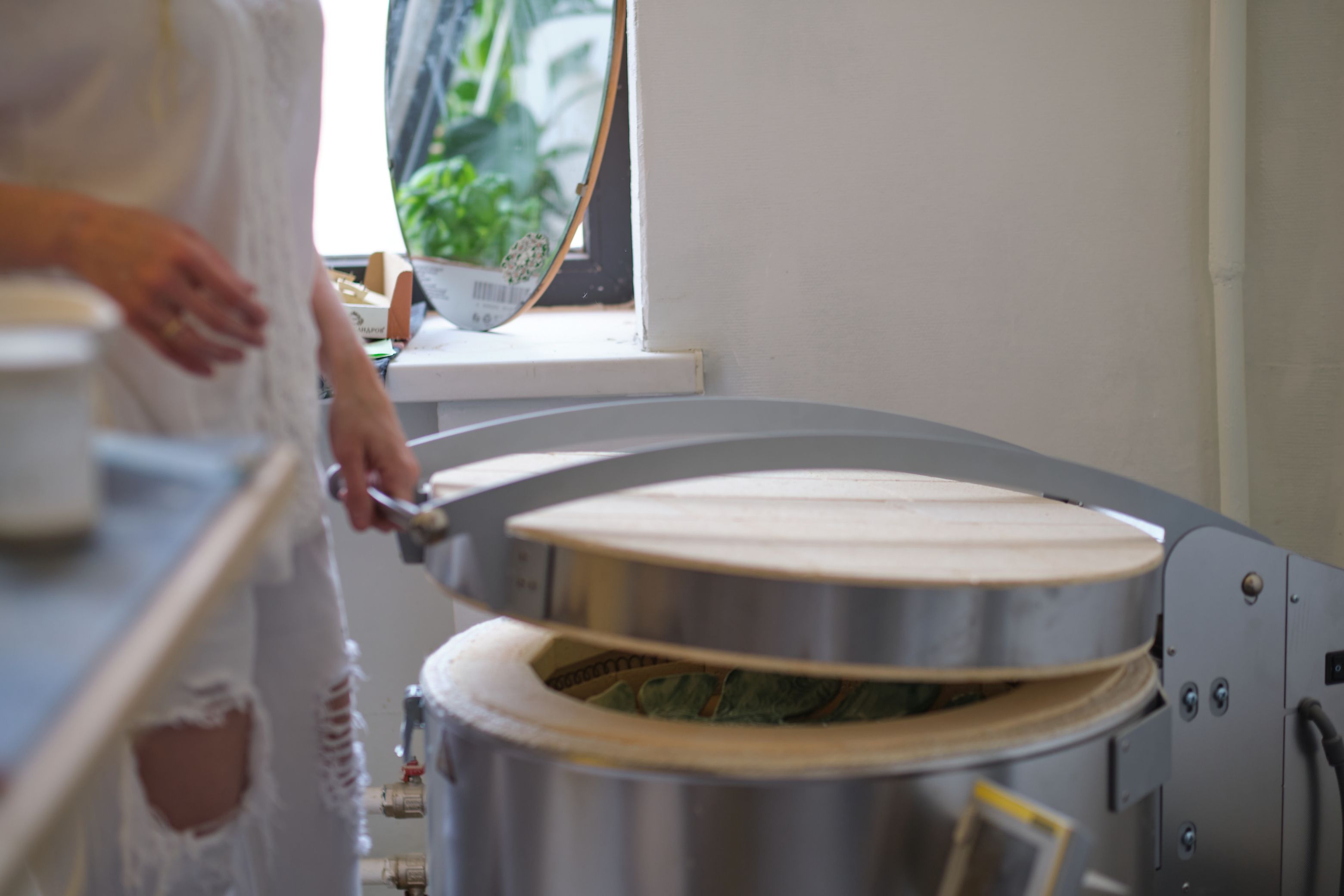
Have you just purchased your first ceramic kiln or are you installing a new one in your workshop?
Great! In this article, we will guide you step by step through the correct installation and first startup, with useful tips to avoid the most common mistakes.
First of all: where to install it?
The position of the kiln is crucial.
Here are the basic rules to follow:
- Leave at least 50 cm of distance from every wall and flammable objects.
- Avoid outdoor installation, even if covered: these are the guidelines that kiln manufacturers always specify in their installation manuals. Humidity, even minimal, can damage the components. If indoor installation is not possible, consider purchasing a kiln with wheels so you can move it outside only during firing (always sheltered from the elements) or carefully analyse the location and protection you can add to keep it as safe as possible.
- Always work in a well-ventilated area, with a window nearby.
- If you use materials that emit strong odours (such as lustres and metallic glazes), it is better to equip yourself with a fume extraction tube: it is not mandatory, but highly recommended.
First startup: a crucial step
Whether it is made of fibre or refractory bricks, every new kiln needs a first empty firing cycle.
Here’s how to do it:
- Set a slow cycle, with a final temperature of 900-1000°C.
- The total duration (including heating and cooling) will be about 24 hours.
- Never open the kiln during the cycle, especially in the case of fibre kilns: on first use, they may emit smoke, and this is completely normal. By opening the kiln before the end, you might notice the fibre has darkened; do not panic, it will return to its natural colour once the cycle is complete.
- In brick kilns, you can insert shelves and posts right from the first startup.
- In fibre kilns, it is better to do two separate cycles: one empty for the kiln and a subsequent one for the internal accessories.
It is worth pausing briefly on the startup of kilns with ceramic fibre lining. In fact, in addition to emitting smoke, a particularly intense odour is released, which can be unpleasant and irritating to the eyes. As you can imagine, this raises particular concerns.
If this first firing occurs in an enclosed space, the odour may persist for several days. It is therefore preferable to carry out the operation in a well-ventilated area, although our most effective advice is to perform the first firing outdoors. It should be noted that this phenomenon occurs only on the first firing: in subsequent firings, there will be no more smoke or unpleasant odours.
This problem does not occur in kilns with refractory brick interiors.
Kiln on wheels or fixed?
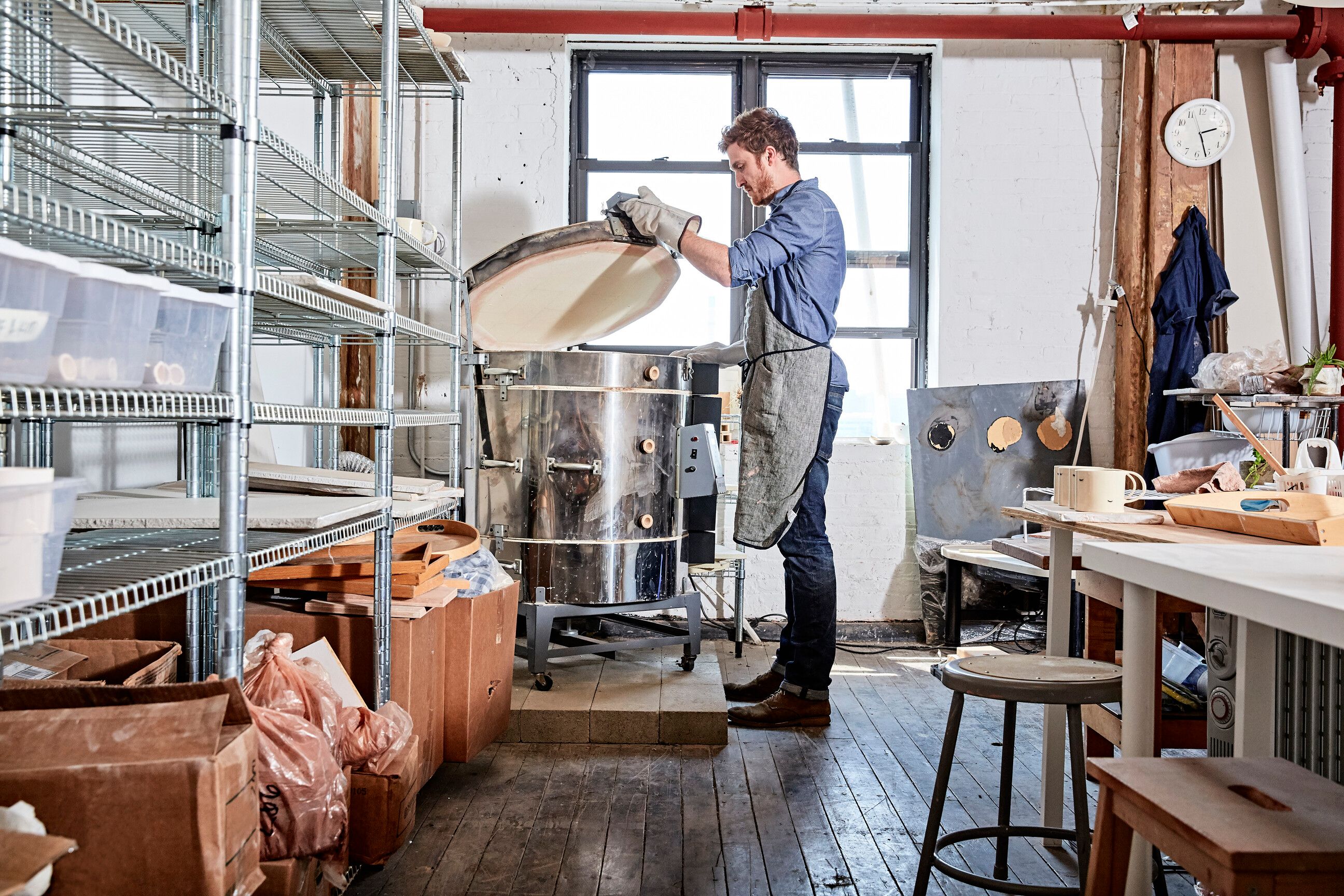
Some chamber kilns, such as Nabertherm models, are equipped with wheels, so you can easily move them for cleaning or maintenance. Front-loading kilns, on the other hand, tend to remain fixed once installed: choose the position carefully before connecting them.
Power supply and consumption
Before purchasing your kiln, request a technical data sheet for the product. This document is essential for discussing with your trusted electrician and checking if the electrical system of the area is adequate to support the power consumption required by the kiln. If not, technical adjustments may be necessary to ensure safe and efficient use.
⚠️Important: the kiln's plug should never be connected to power strips or adapters.
Electric kilns require high power, and power strips are not designed to support such heavy loads. Improper use can cause overheating and melting of components, posing safety risks.
It is essential that the kiln is connected to a dedicated socket, installed or verified by a qualified electrician, who will correctly size the cables and components to ensure maximum safety and compliance with current regulations.
Maintenance
Kilns are simple and reliable machines that do not require constant maintenance. However, paying attention to some precautions will help you avoid interruptions in your workflow and unexpected replacements of worn components.
Here are some good practices to follow:
- Monthly cleaning of the firing chamber: use a vacuum cleaner to remove dust and accumulated debris. Regular cleaning helps maintain the kiln's efficiency.
- Visual inspection of the thermocouple: periodically check that it shows no alterations from its original appearance. A change may indicate an impending malfunction.
- Be prepared with spare heating elements: over time, heating elements tend to wear out, compromising the kiln's ability to reach the set temperature. Having spare parts on hand will allow you to act quickly.
- Keep the shelves clean: in case of glaze drips, remove them as soon as possible to avoid permanent damage. If necessary, you can use a flexible tool with a diamond disc (following all safety precautions) to effectively remove solidified glaze.
Manual and useful info
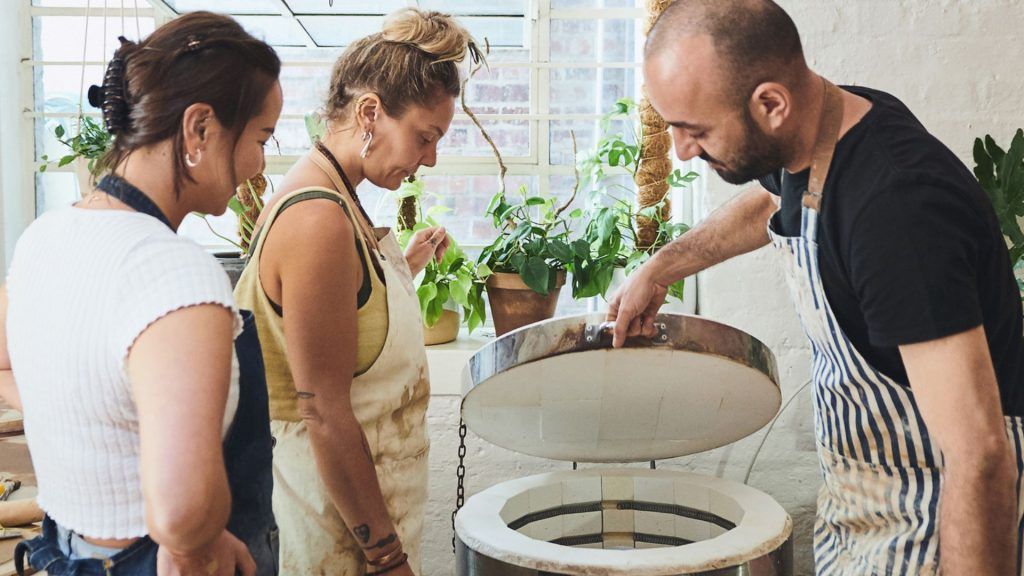
Every kiln comes with its safety and installation manual. Always read the documentation: each model has different features and instructions to follow carefully.
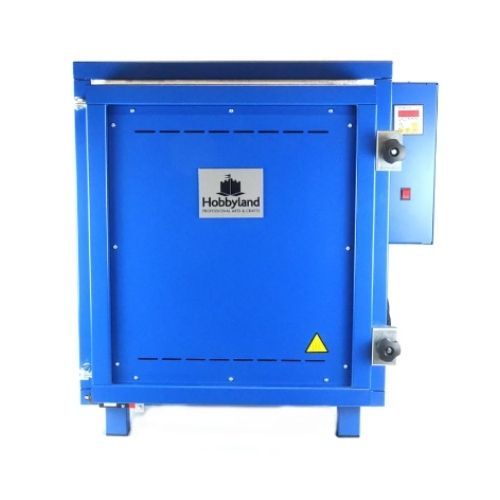
Sigma kilns
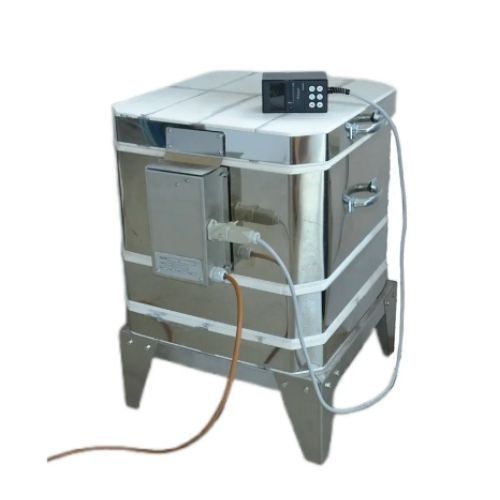
Quadra kilns
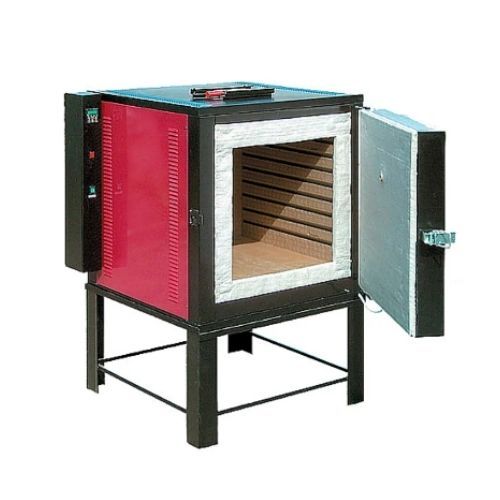
Italforni kilns
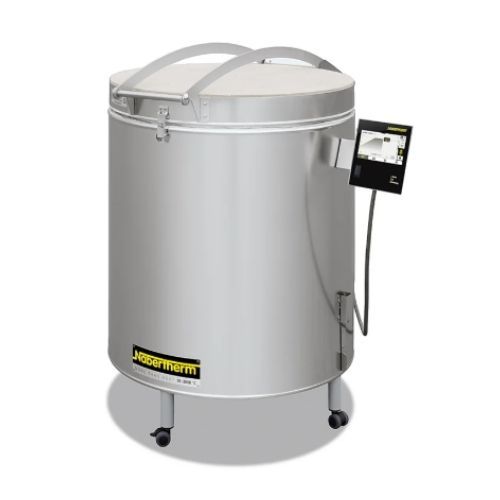
Nabertherm kilns
Some extra precautions can help protect the kiln from potential firing accidents, such as the breaking of glazed pieces that fall onto the plates or the bottom of the kiln, which will require cleaning with diamond tools, as described in the previous chapter.
You might consider using ceramic paper of 1 or 2 mm (up to 1200°C) or applying a shelf protector (up to 1260°C), which will facilitate the removal of residues.
In addition to the normal firing equipment, shelves and posts, depending on the pieces you want to create, it may be useful to have accessories such as steel spacers, a rack for firing beads, or Kanthal wire that can be used to create hooks for pendants and earrings.
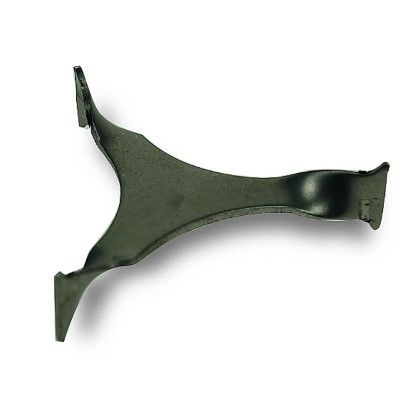
Steel spacer
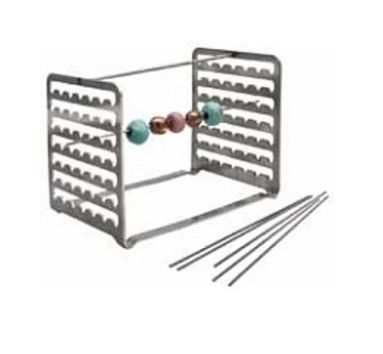
Bead rack
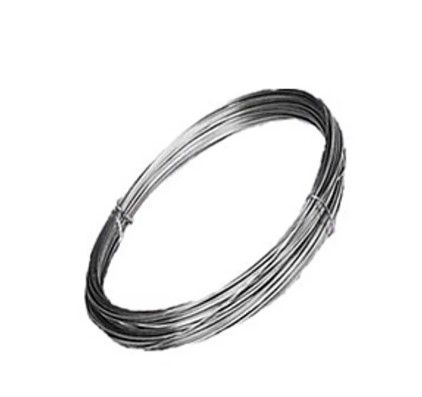
Kanthal wire
Frequently Asked Questions - FAQ
Do I have to do the first startup? Yes.
It serves to stabilise the internal materials of the kiln. Skipping it can compromise the kiln's lifespan and the quality of the firings.
Is it normal for the kiln to emit smoke on first use?
Yes, if the kiln has a ceramic fibre interior. It is a normal and temporary phenomenon: do not open the kiln, let the cycle complete.
Can I insert shelves and posts during the first startup?
Only in refractory brick kilns. In fibre kilns, they should be inserted after the first empty cycle.
Is a fume extraction tube necessary?
No, but if you use products like lustres or glazes with volatile components, it is highly recommended.
Can I install the kiln on the balcony?
Better not, but if you have no alternatives, it can be evaluated based on the existing conditions. You can send us all the details, and we will help you with a specific assessment for you.
️ What should I check before each firing?
- That there is free space around the kiln
- That you have adequately protected the shelves in case of firing accidents
- That the kiln is perfectly dry (especially after periods of inactivity)
- That the lid closes properly
Do you have doubts about the installation of your kiln?
Or are you undecided about the purchase?
Follow our guide or contact us, we are here to help!