
The art of glassmaking to create beads is an ancient practice. It can be said to be almost as old as humanity, if it is true that it practically dates back to the discovery of fire, and to the discovery of how its heat could be used to melt and shape glass.
Throughout history, the art of glass beads making has experienced tremendous dissemination and the development of exceptional and world-recognized artistic traditions: foremost among them, that of Venice.
It is no coincidence that in 2020 UNESCO included this art in the Representative List of the Intangible Cultural Heritage of Humanity!
Today, glassworking is a widespread practice worldwide, bboth professionally and at an amateur level, among artisans, artists and enthusiasts. The creative possibilities offered by glass bead making are almost endless: sizes, colors, decorations… each bead is unique and can give rise to some of the most imaginative decorations, works of art, jewelry and furniture items.
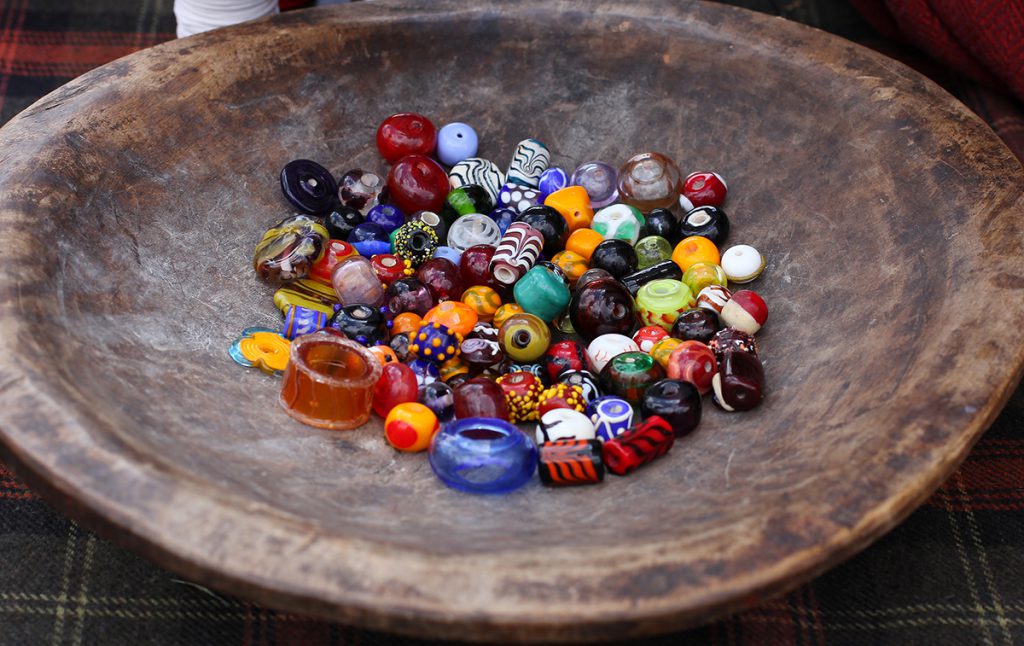
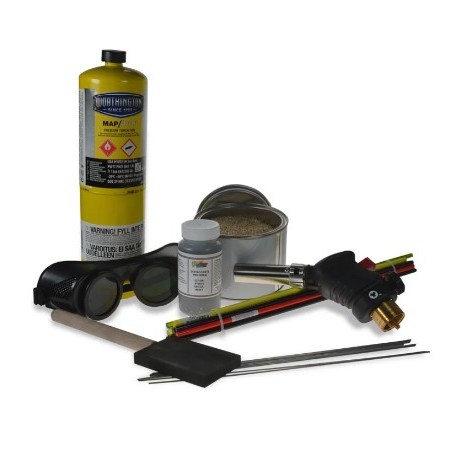
With this guide, we aim to explain just how to take your first steps in this ancient and fascinating art. We will discover together the process, the basic steps and the necessary equipment, which you can find gathered together in one of our Glass Bead Kits – a great way to get started while already having everything at hand!
Lampworking: What Does It Mean?
The process of creating glass beads has remained essentially unchanged for centuries: a flame, obtained from a lamp or blowpipe, is used to heat and shape the raw material and give it the shape of a bead by wrapping and rotating it around a metal rod.
At one time the heat sources were mostly oil lamps – hence the name “lampworking” – which required continuous airflow or later foot-powered systems. Today we have gas-powered torches that work completely independently, leaving the artist free to move and safer in working.
Glass: Which One to Use?
The most commonly used material for glass beads is Murano glass.
Murano glass is relatively soft and melts at relatively low temperatures, thus allowing the bead to remain warm and malleable for longer – this makes the process easier, while also avoiding the risks of breakage.
Another option is borosilicate glass, which has a higher melting point and is therefore considered “harder” and more difficult to work with. On the other hand, however, borosilicate resists sudden changes in temperature better. Unlike ordinary glass, in fact, it does not expand and contract much when exposed to heat and cold.
Therefore, there is no universally best or worst choice, and our advice is to choose the raw material based on your starting skills, needs, and the creative project you want to pursue.
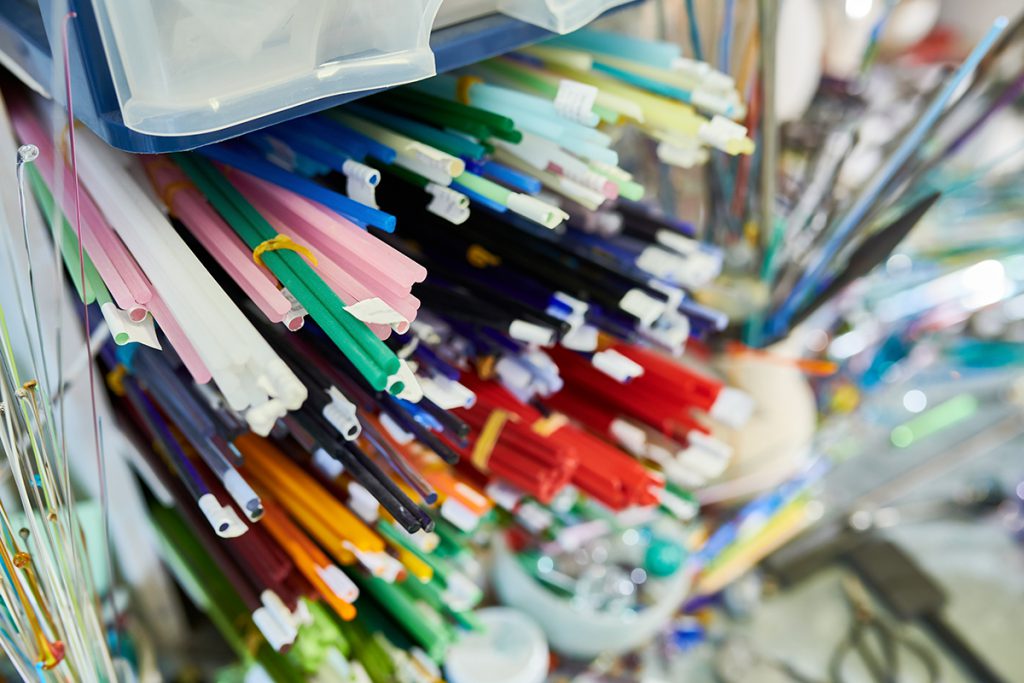
From the perspective of glass bead processing, the raw material is used in the form of rods – or glass rods – that can be purchased in various diameters and, of course, in a huge variety of colors!
Essential tools for working with glass beads
Let us now see what you will need to make your own beads, in addition to glass rods.
As anticipated, there is the option of purchasing ready-made kits that contain the essential and necessary instrumentation for lampworking. These are safe and certified materials and tools designed specifically for this work and thus made of materials such as brass, graphite, and steel, which are specifically designed for glassworking.
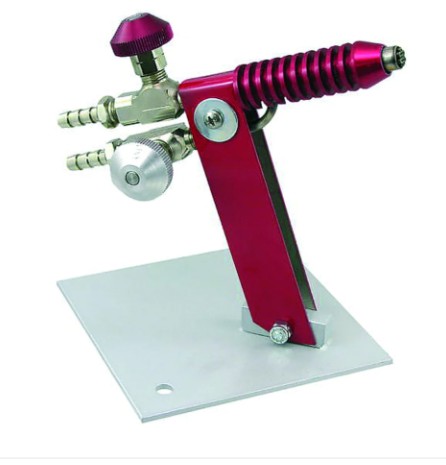
The torch is your heat source, the “lamp” that will allow you to heat the glass. The blowpipe must, of course, be connected to a gas cylinder, and it must have a stand for attaching it to your work table.
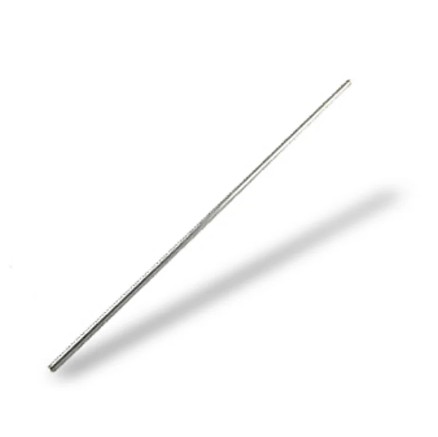
Steel needles, also called mandrels, which are the basis on which glass is worked. The larger the diameter of the mandrel, the wider the hole in the bead. Larger diameters are more comfortable and suitable for beginners, but they are also heavier. Our advice is to start with larger diameters and gradually reduce as you gain experience.
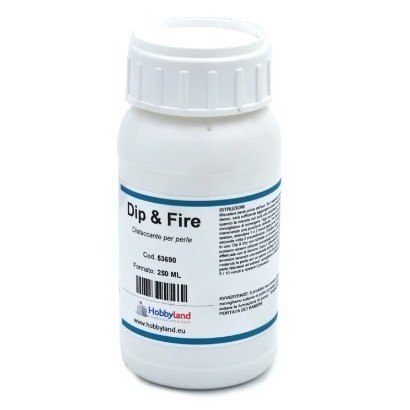
Bead release: this is a clay-like substance in which you will need to soak the needles before processing to prevent the glass from adhering to the steel.
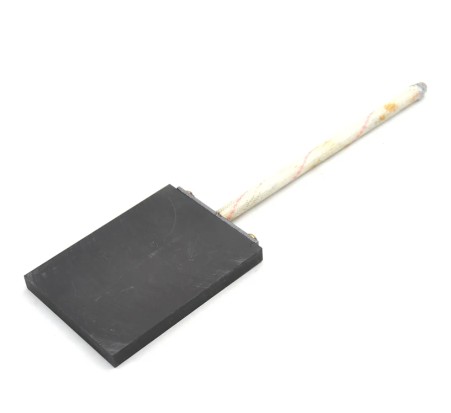
Graphite spatula: The spatula is used to aid in working, as a base on which to roll or crush the bead while it is still hot and wrapped around the mandrel. Some spatulas have a knurled surface or geometric patterns, to imprint a decoration on the glass while it is still hot.
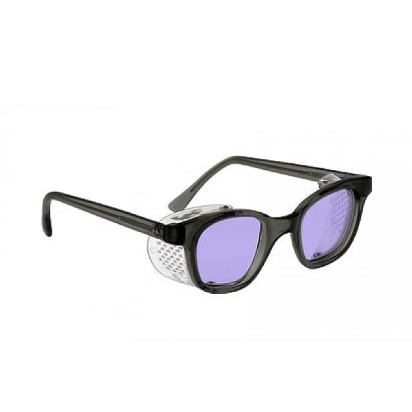
Polycarbonate glasses, which protect in particular from UV rays and the glare of incandescent sodium: this way we can look at and see our pearls even when the heat makes them incandescent.
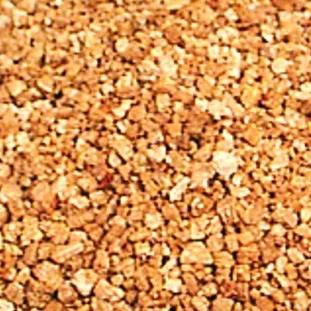
Cooling vermiculite: once the processing is finished, the beads need to be cooled completely, so it is important to have materials to help in this process. Such as vermiculite, which is a mineral that absorbs heat very well. It is found in flakes, which can be used to fill bowls in which to dip the needles with the hot beads.
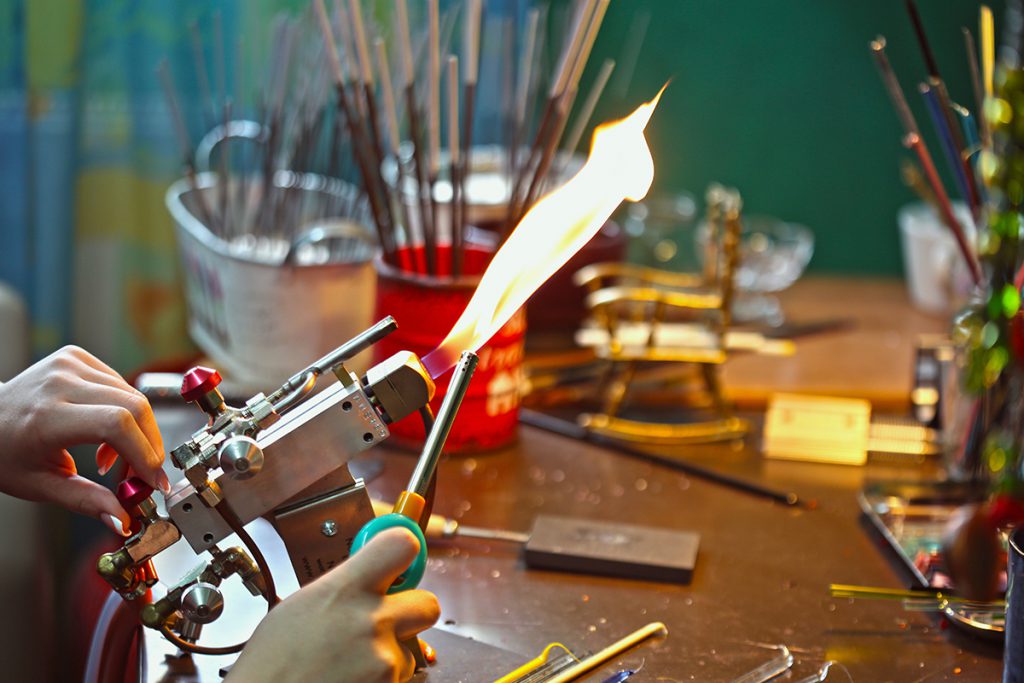
Other useful tools and accessories may include: tweezers, a two-disc pliers to break glass rods cleanly, and an inclined rod holder, not only to always have them handy but also to keep the glowing tip away from you and the work surface.
For your safety, always work in a well-ventilated environment, in a comfortable and large workstation with all the tools at your disposal, and always wear protective gloves and glasses.
The steps of lampworking: creating glass beads
We have arrived at the moment of creation! The process is relatively simple, but also very delicate: working with glowing material requires attention, balance and timing. But don’t be frightened if it seems complicated at first: patience and practice will help you progress faster than you think.
Start by taking a needle and dipping it in bead release agent: make sure a good portion of the needle is coated and set it to dry.

Open the gas torch and light the flame. Take a glass rod and slowly bring it closer to the flame, turning it continuously to let the heat reach the entire surface. Hold the glass over the flame until you see its end begin to glow.
At this point take the spindle with your other hand, and heat it over the flame as well.
How to grip and maneuver rod and mandrel? Hold the glass rod in your main hand (right, if you are right-handed, or vice versa if you are left-handed) as if it were a pencil. The spindle, in your other hand, should be held horizontally at all times and should be rotated constantly as you work, in the opposite direction from your body.
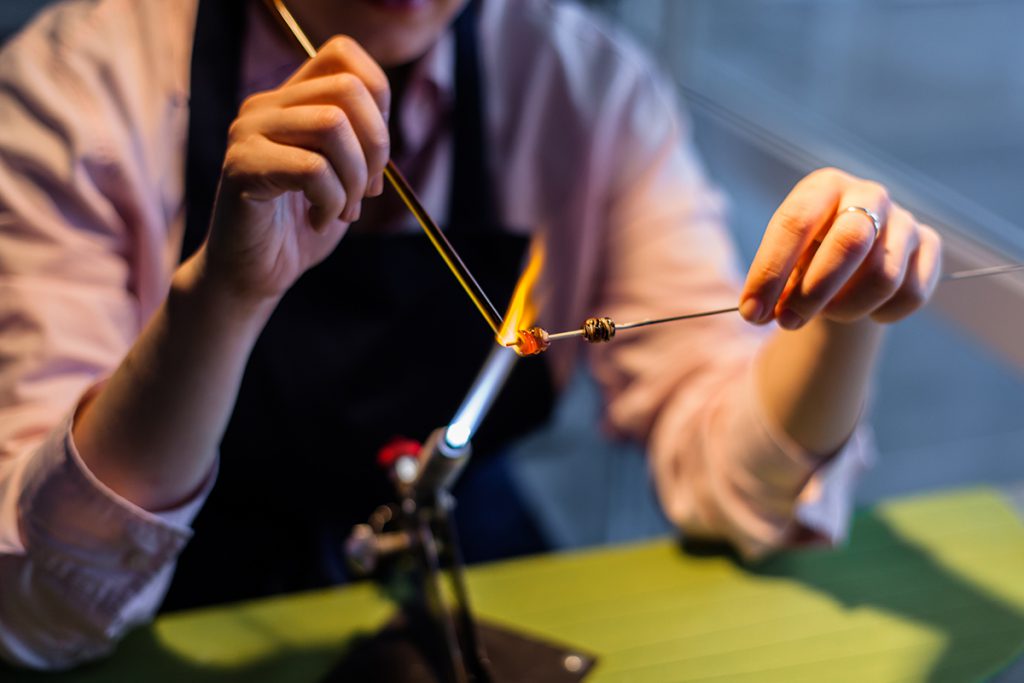
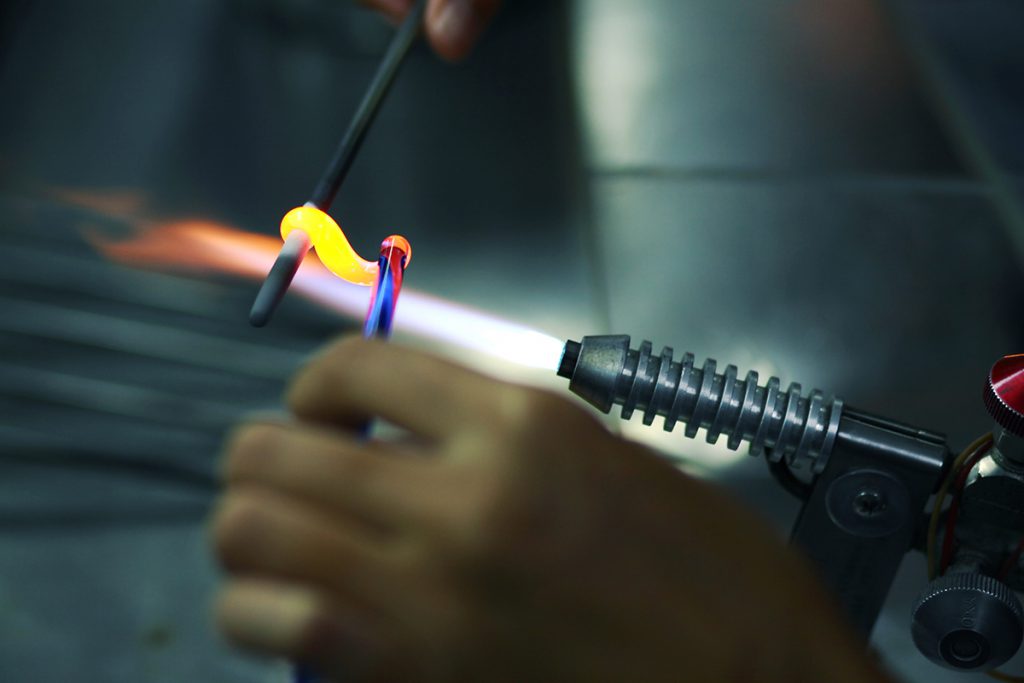
Move away from the flame and gently rest the glowing tip of the glass rod on the steel needle: the rotation of the needle will cause the glass to wrap around it, creating a ring. During this step, the needle and glass should not remain exposed to the flame: you will need to move the needle away and allow the glass to cool slightly, before returning to heat it again over the flame to add a new layer. Continue this process until you have obtained a bead of the desired size.
Always keep rotating the needle, even after you move it away from the flame. Why is this important? Because glass, in its semi-fluid condition, is particularly sensitive to gravity, so if you did not rotate the needle, you would end up with a “drop” concentrated at the bottom of the spindle, instead of a sphere. By keeping a constant rotation, you will instead let gravity work for you in giving the bead a regular, uniform shape! Also, at this stage, the graphite spatula can be useful in case you want to shape or flatten the bead: in this case you will rotate the spindle by resting on the surface of the spatula.
Now it is time for cooling: an essential step that requires patience, because your bead will need to soak in the vermiculite for at least half an hour to forty minutes. Don’t give in to the temptation to take it out first and check it, as you risk compromising the process and causing cracks or breaks.
When the glass is finally cold, you can carefully remove the bead from the mandrel and wash it to remove all traces of the bead release agent.
Your bead is ready!
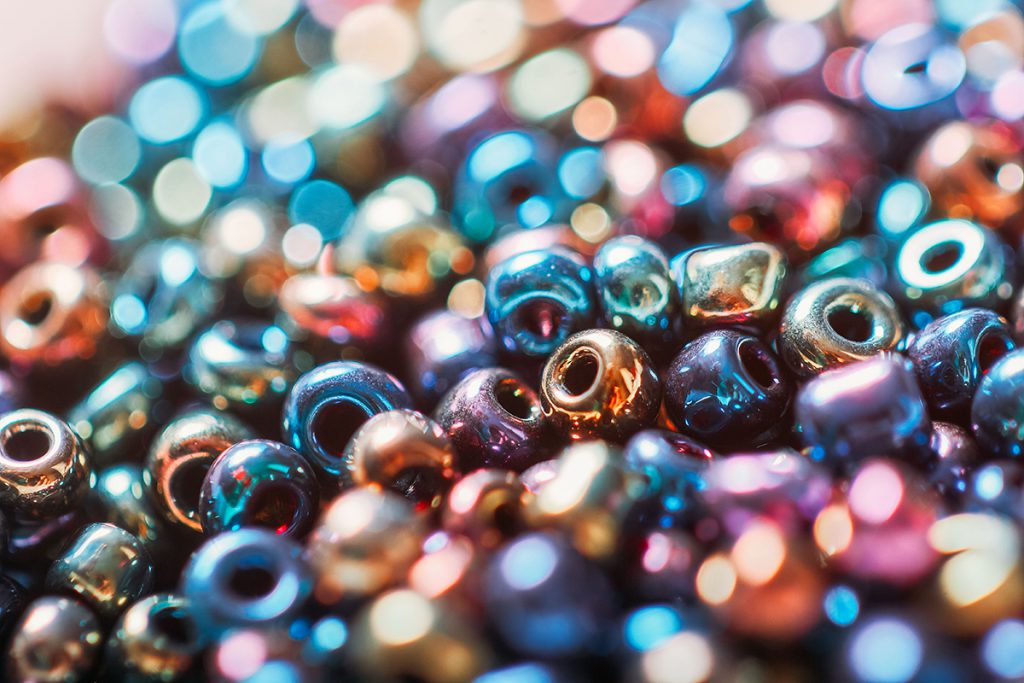
Glass beads and creativity
What we have seen is the basic process for making glass beads. But as you gain more experience, you can let your imagination run wild by using different decorative techniques.
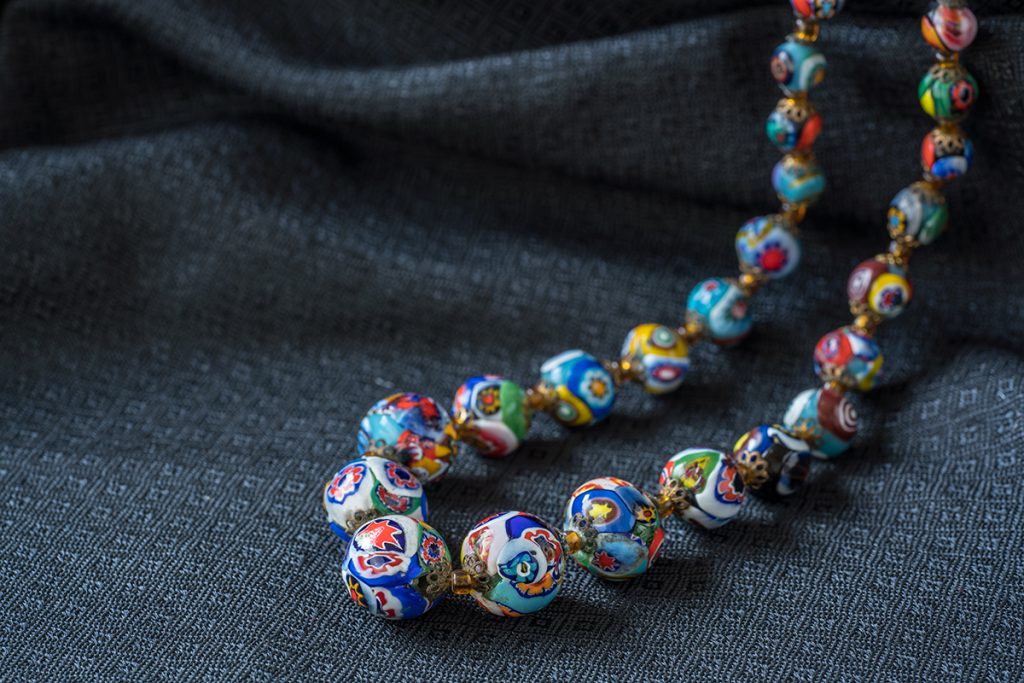
Some examples? You can create layering, using rods of different colors on top of each other. You can use the spatula to create more original, elongated or flattened shapes. You can create “dots” by applying drops of different colors that you can leave raised (by letting them cool and solidify without exposing the bead to heat again) or “melt” into the layer below.
Then there are very striking techniques involving the inclusion of external elements on the surface or inside the bead: gold or silver leaves, small objects or flowers, which are then covered by one or more successive layers. Not to mention all the possibilities offered by finishing, such as sandblasting, polishing or matte treatment to achieve the “sea glass” effect.
With this tutorial, we have provided the essential information with everything you need to get started. For everything else… experience, aesthetic taste and creativity will guide you!