
Those who begin working with clay sooner or later are faced with results they did not expect: small lifting, wafer-thin cracks, the glaze flaking and peeling away from the bisque. Often these defects appear in the last stage of the process, when the piece seemed successful, or they show up some time after firing.
These phenomena do not necessarily indicate a serious error, but are often a sign of internal tensions between the ceramic body and the coating, which emerge when one or more process steps (forming, drying, glazing, or firing) have not been properly balanced. Learning to recognize and prevent them can reduce waste, forming time, and frustration.
What is flaking or spalling
Spalling occurs as surface flaking of the glaze: the vitrified layer tends to lift or peel off in small flakes, giving the impression that the surface is “peeling.”
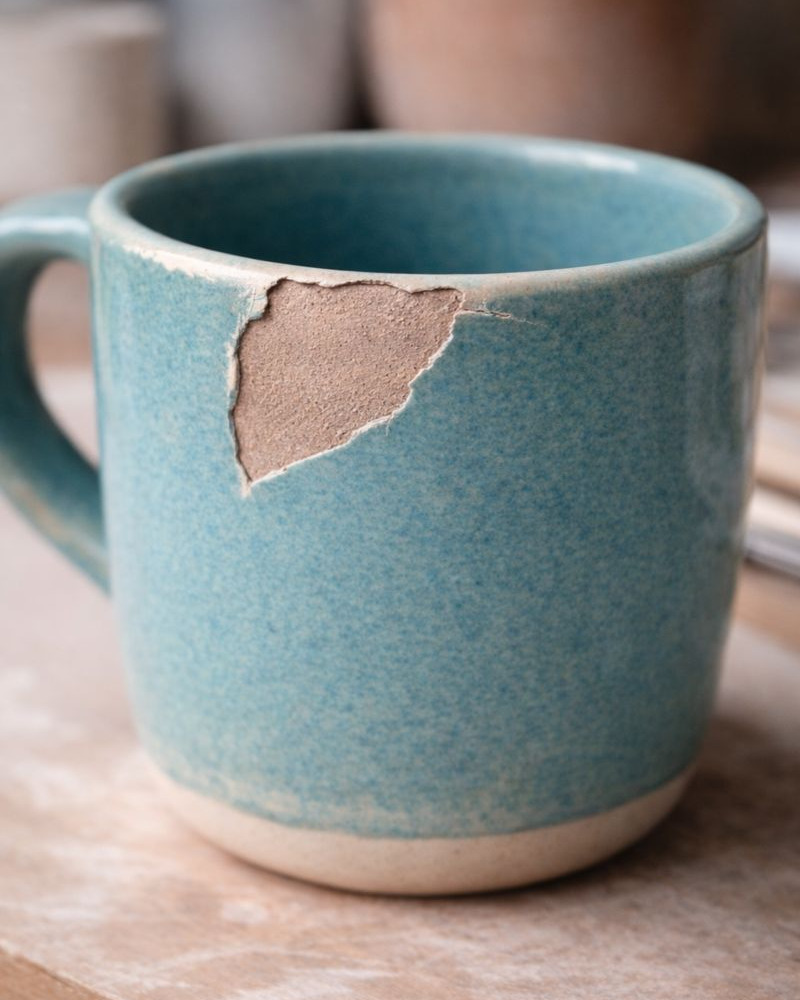
Main causes:
1. Thermal expansion mismatch: the ceramic body contracts more than the coating during cooling.
2. Insufficient cleaning of the bisque: a dusty surface prevents proper adhesion of the glaze.
The sponge used must be free of soap contamination and hands must be clean to avoid transmitting grease derived from handling the piece.
3. Application of Engobe on bisque Engobe is designed to be applied on raw clay at leather-hard stage, but it frequently happens that some potters also apply it on bisque. Why, then, does the defect not always appear? Because in this case Engobe must be applied more thinned to prevent too thick a layer remaining on the surface of the object.
4. Thermal stress during cooling: ovens with small chambers cool faster. Although the kiln controller allows you to control the temperature drop, it is essential to check the internal temperature before opening the kiln and, if possible, let it cool completely.
5. Glaze or Crystalline glaze applied in excessive thickness.
Crazing (craquelé): the almost invisible micro-cracks
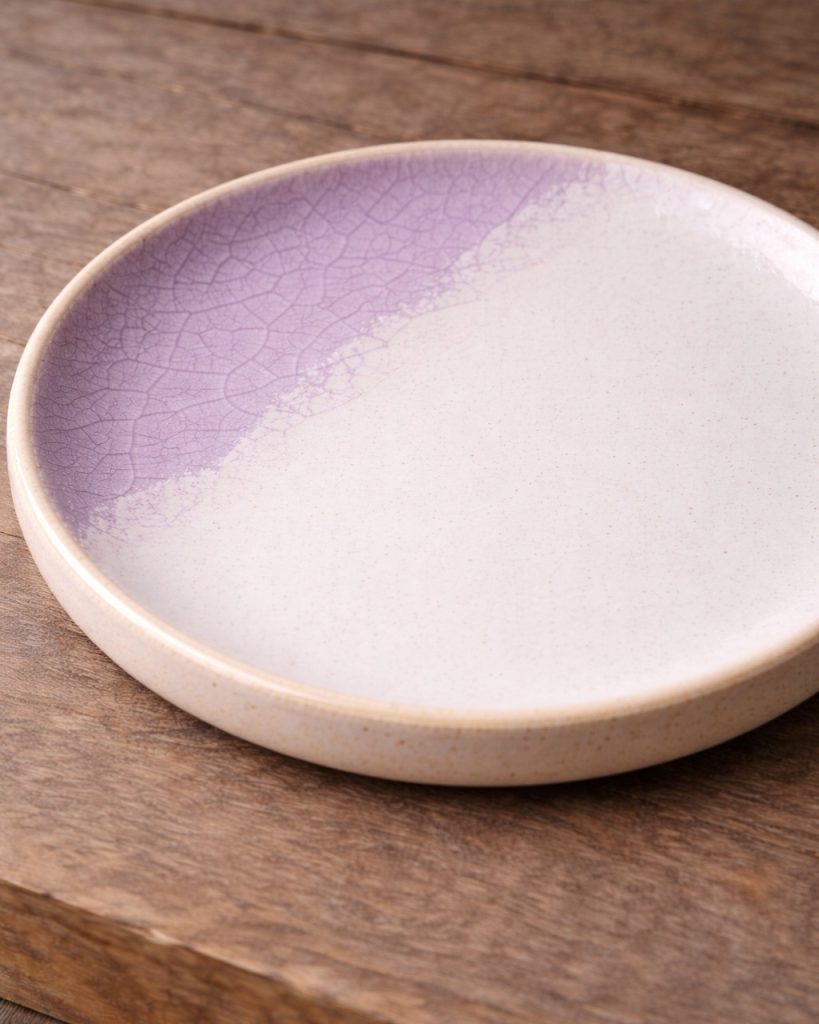
Crazing, also called craquelure, is a more insidious defect than flaking.
It appears as a dense network of very thin cracks, sometimes visible only against the light, and occurs when the glaze contracts more than the body during cooling, that is, under conditions opposite to flaking.
It is often intentionally sought as an artistic expression by choosing a glaze with a high expansion coefficient compared to clay, but if unwanted it is a major defect, especially for objects intended for contact with water or food, as it promotes moisture absorption.
Here are the reasons why it occurs:
1. Presence of chamotte in the clay:
Chamotte gives a textural and rough appearance, but it is can interfere with uniform glaze application.
2. Uneven drying caused by variable thickness or excessively rapid drying.
3. Thermal shocks, similar to spalling.
Micro-pinholing
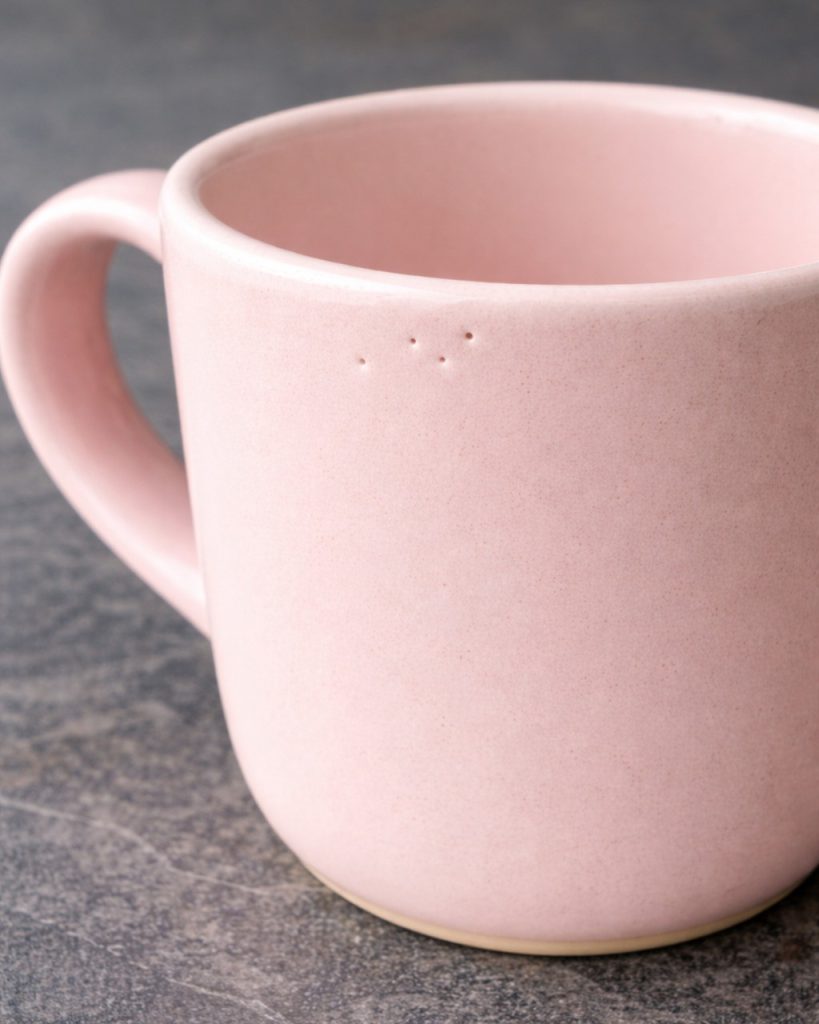
It occurs in the form of micro-pits or micro-bubbles that are sometimes almost invisible and become evident when the artifact is intended for food use.
Through these micro-defects moisture can penetrate, creating stains under the enamel.
There are two reasons why it occurs: bisque fired at insufficient temperature and crystalline/glaze applied at the wrong density or amount.
It will then be sufficient, for the next project, to bake the bisque to its optimum temperature and improve the glaze application.
Orange peel effect
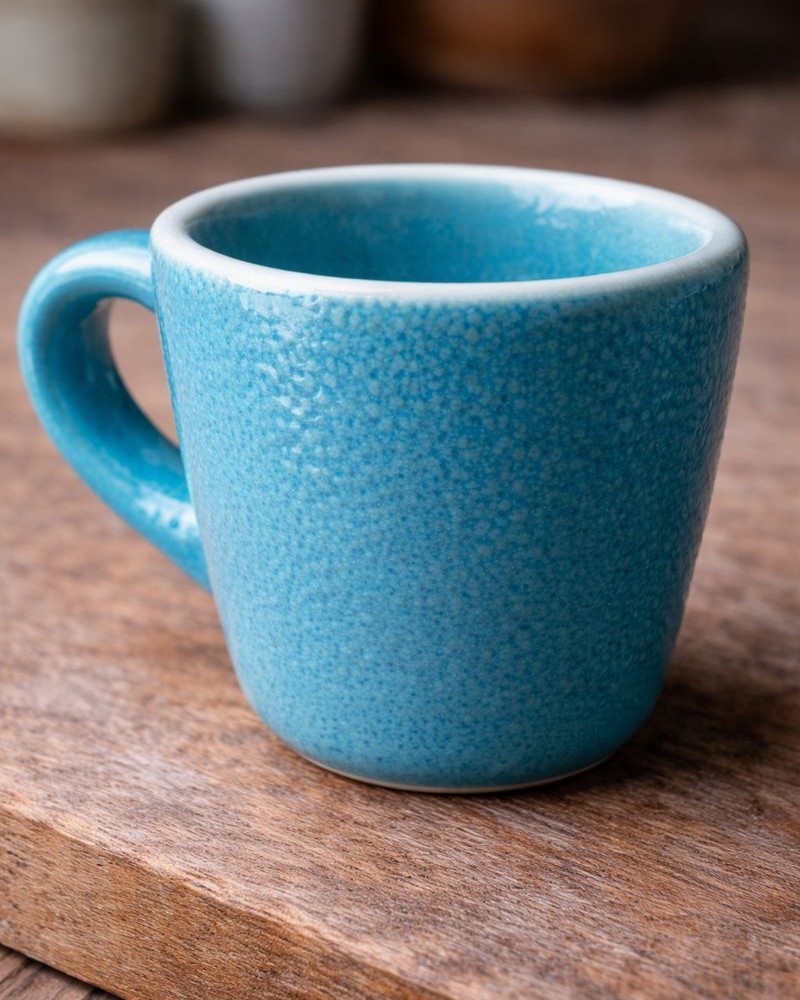
The fired glaze appears uneven and grainy, similar to the surface of an orange peel effect.
This defect occurs when the glaze fails to spread properly, and is common in spray applications.
Recommended corrections:
-Slightly increase the firing temperature, to help the glaze flow
-Use a smaller nozzle
-If the defect is visible before firing, you can simply lightly smooth the surface by hand over the spots you wish to distend, the layer will even out.
Uneven color
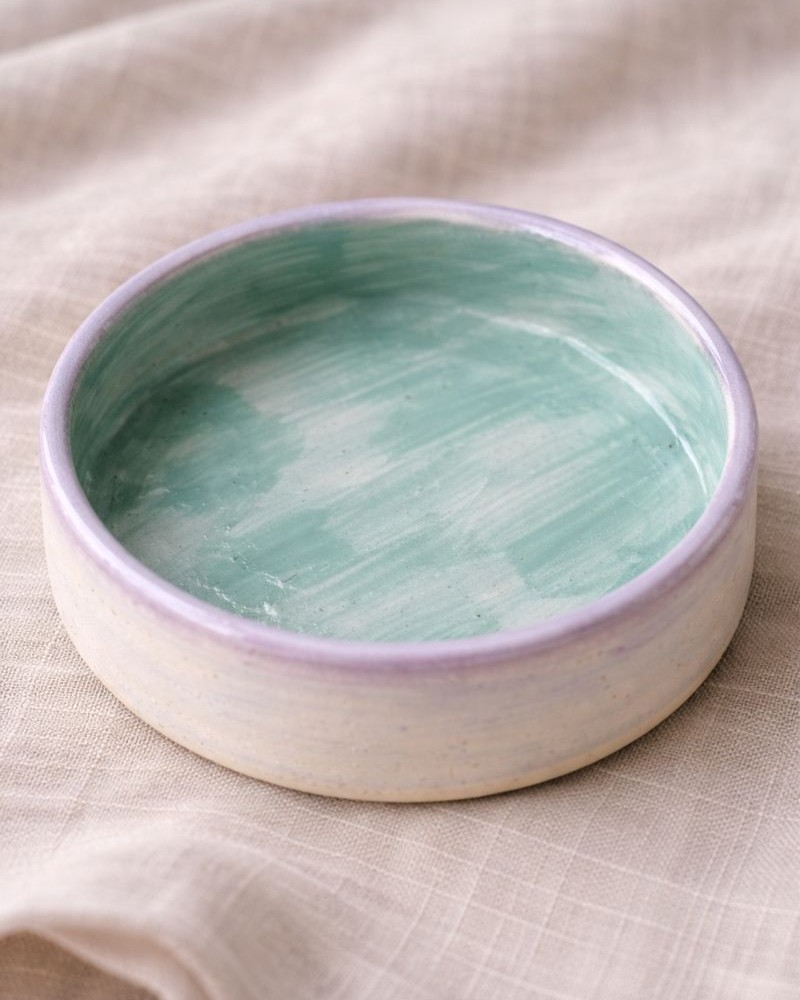
The piece appears properly fired, but has transparent or chromatically uneven areas.
Before glazing, it is essential to clean the bisque thoroughly with a slightly damp sponge to remove residual dustiness and improve adhesion.
The color should be well mixed and applied according to the manufacturer’s instructions, number of coats and application method: brush, dip or spray.
In the case of bisque pieces stored for a long time, simple cleaning may not be sufficient: dust may be infiltrated into the surface.
To avoid waste, it is advisable to refire the bisque together with other bisque to remove any residue before glazing.
Milky or cloudy surface
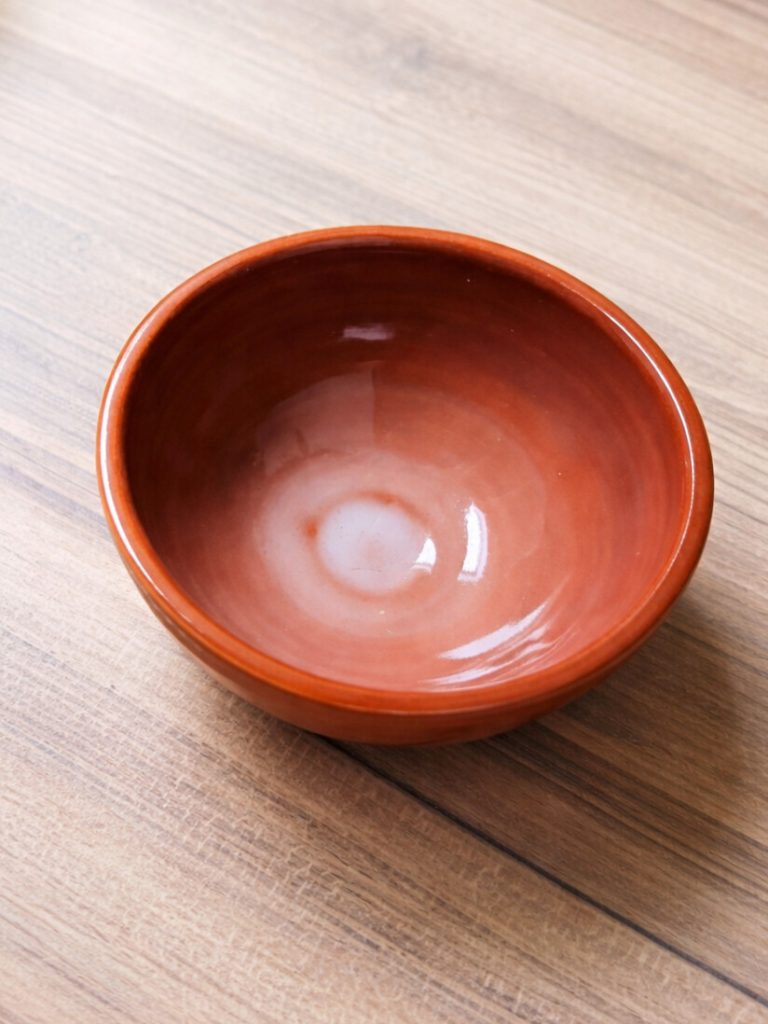
A crystalline glaze that is too dense or fired at insufficient temperature can generate a dull, milky or cloudy surface.
It is useful to check the density with a hydrometer:
– 30/40 Baumé on white bisque
– about 45 Baumé on red bisque
An effective visual check is to observe the underlying decoration: it should always remain visible through the crystalline layer.
Defects in single firing
Single firing is a process with several critical issues, as it does not follow the traditional steps of ceramics. Its adoption should be carefully evaluated on a project basis and should be ruled out for objects intended for food contact.
Glazing on a raw object is particularly delicate: the clay, which is sensitive to water, can absorb it excessively, weakening the structure or deforming the piece.
In the presence of Engobe decorations, moreover, the color can be dragged off during glaze application.
If you wish to experiment, you can proceed with Engobe + crystalline or with direct glaze, in all cases avoiding immersion application, which is strongly discouraged in single-firing.
Is there any way I can remedy this on already fired pieces?
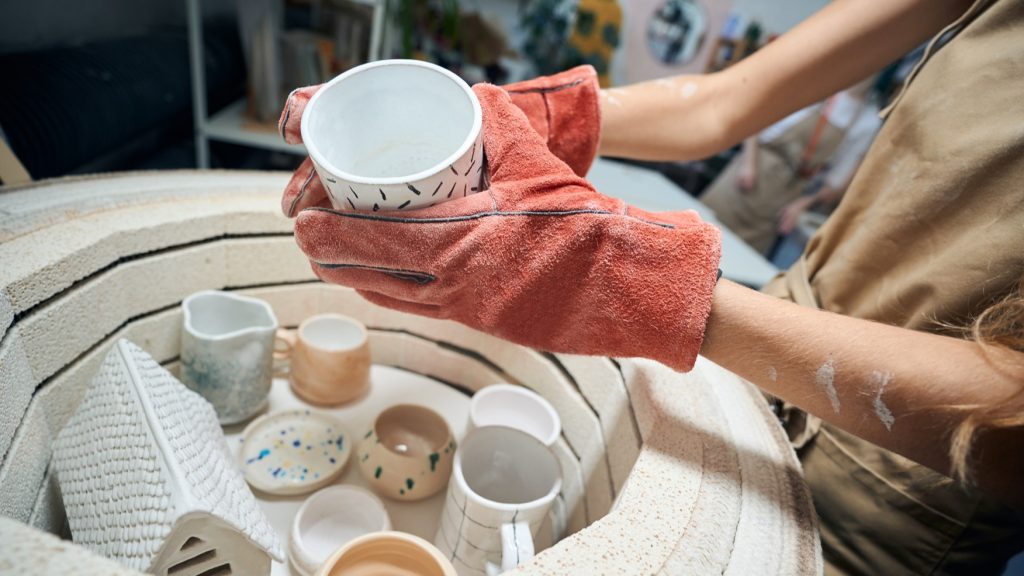
Unfortunately, NO. The only possible solution in each of these cases is to know your materials and your kiln well and to learn from time to time from your mistakes in order to get better and better.
For those who are beginners, the best advice is not to perceive these occurrences as failures and to always do sample tests before focusing on the final project. Each failed piece is a practical lesson: it tells something about the drying rate, the workmanship, or the type of clay used. Keeping these items for reference can be surprisingly useful over time.
A final lesson
The emergence of these faults teaches one fundamental thing: clay does not like haste.
The more the process is respectful of its natural timing, the more stable and predictable the material responds.
Learning to slow down, observe and intervene at the right time is one of the most fascinating aspects of ceramics.